Swapping Out Heating Lamps in Your Krones Contiform
If you’ve run a Krones Contiform for any length of time, you know the struggle. You need those PET preforms to blow perfectly—no weird stress marks, no thin walls—but the cost of OEM lamps can be a real gut-punch to your budget. The good news? You don’t have to overpay to keep your quality high. You just need a replacement that actually does the job.
Getting the Heat Right
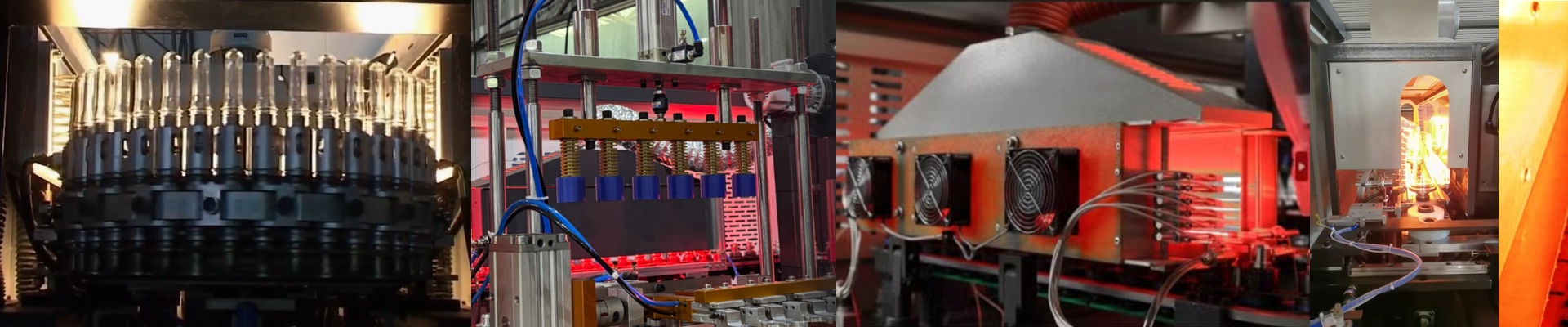
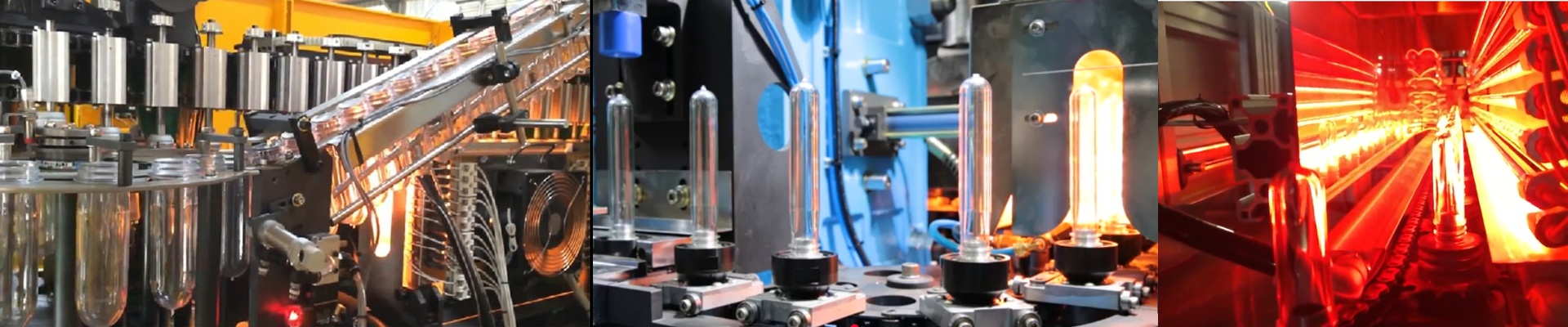
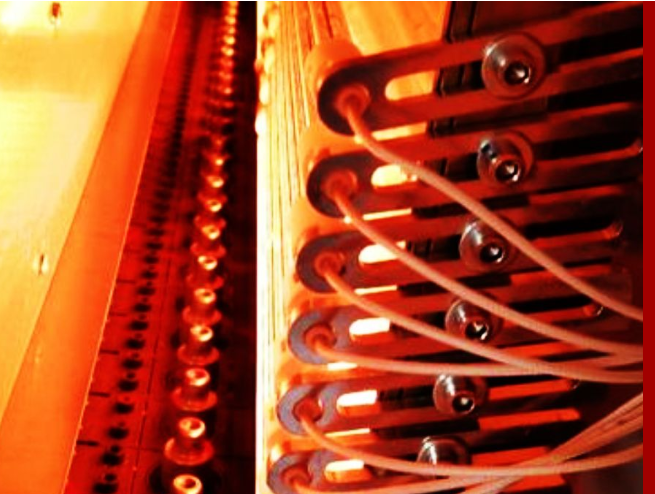
Here’s the thing: these ovens live and die by shortwave infrared. Most run on 230V or 400V, and getting that number right is everything. If the wattage is too low, your preforms won’t get hot enough to stretch. If it’s too high? You’re basically cooking the plastic. It’s a tight window. And please,**don’t mess with the voltage.**If you try to force a lamp with the wrong voltage in there, it’ll either burn out before you can even blink or it just won’t put out enough heat to be useful.
The Nitty-Gritty: Quartz and Plugs
We use high-purity quartz glass because these lamps go through a lot. They heat up and cool down fast, and cheap glass just can’t handle that kind of shock. Most of these use R7s or Sk15 connectors. We stick with those because they click in tight. The last thing you want is a lamp vibrating loose while the machine is screaming along at full speed. Some of these lamps have a special coating to bounce heat back toward the preform. It’s great for efficiency, but it puts a bit more stress on the filament. Just keep an eye on your cooling fans. If they aren’t moving enough air to clear out the heat, those lamps won’t last nearly as long.
Making the Switch
Swapping them out is a breeze. Kill the power, wait for the quartz to cool down so you don’t burn your fingers, and pop the old ones out. We’ve designed these to be direct swaps. No rewiring. No hacking away at brackets. Just plug and play. One quick tip:**don’t mix and match brands.**If you put three different types of lamps in one oven, you’ll get uneven heat zones. That’s a recipe for headaches. Replace them in full sets so the heat stays consistent across the mandrel. Simple as that.