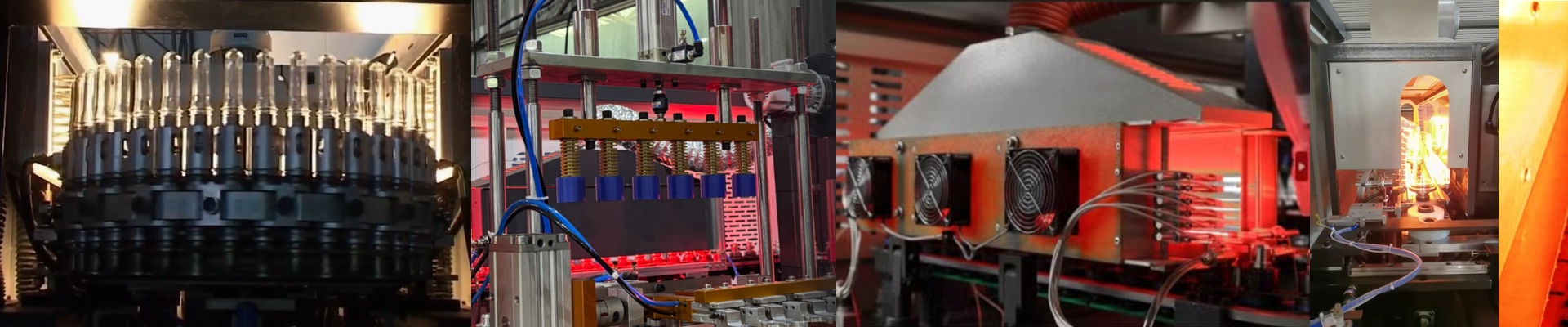
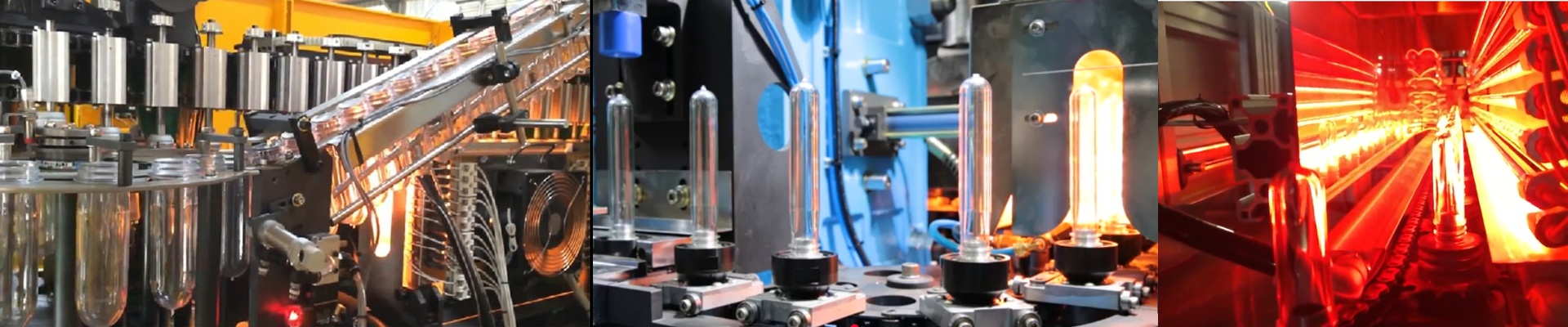
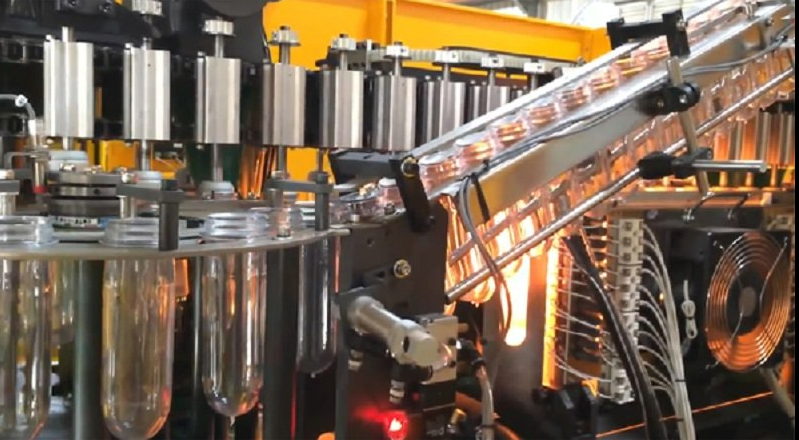
On a Sidel stretch blow molder, the preform heating stage is where the whole cycle either makes it or breaks it. If the heating lamp output drifts, you end up with color banding, PET crystallization, or bottles that just don’t have the strength they should. Swapping out a mismatched emitter eats into uptime, and when the heat is uneven, the operator spends the shift chasing the setpoint instead of running the line. We build the Sidel blow molding heating lamp as a direct-fit infrared emitter, engineered to OEM tolerances. It’s a halogen quartz design operating in the standard short-wave band, because PET absorbs that wavelength efficiently—giving you fast, repeatable heating across the preform wall. The lamp runs at 240V, with rated power matched to the machine’s heating tunnel, and it uses the correct R7s connector so the wiring and mounting hardware line up without any modification. Every unit is tested for consistent spectral output and dimensional length, so it drops into the reflector and aligns with the heating zone geometry. On a Sidel line, the whole point is getting the preform to a stable temperature before stretching, and the lamp is the first link in that chain. When the emitter matches the original spec, you get tighter temperature control in the heating tunnel, which cuts scrap from overheated necks and underheated body sections. In practice, that means fewer setpoint swings, more consistent bottle weight, and less energy spent compensating for weak output. The replacement is straightforward—swap the lamp, confirm the reading, and get back to production without re-engineering the heating profile. Installation is quick, but alignment still matters. Make sure the lamp seats fully in the R7s socket and the reflector is clean and squared—any gap or a skewed reflector will create hot spots. And keep in mind, infrared emitters lose output over time, so track running hours and plan replacements during scheduled maintenance. Expect typical service life around 5,000 hours, depending on voltage stability and cooling in the tunnel.