Getting Heat Right in Your Automated Ovens
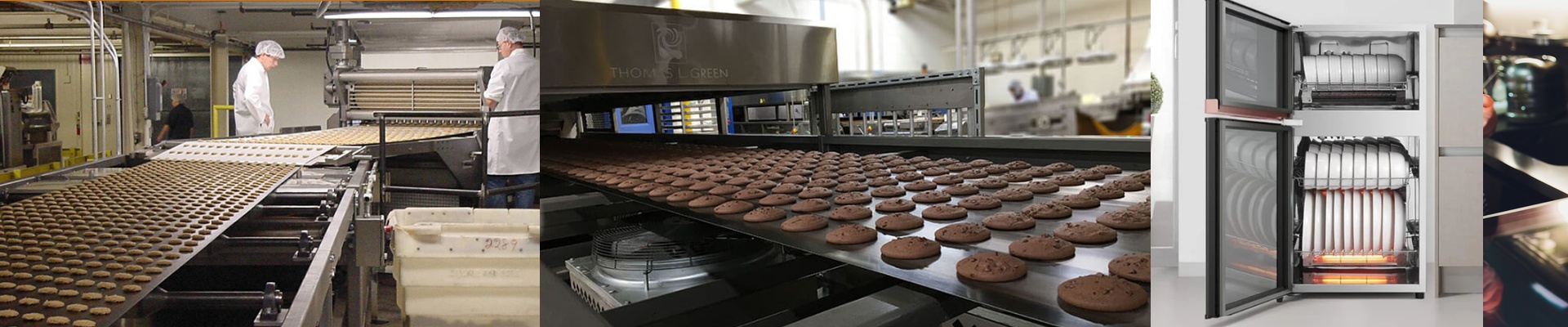
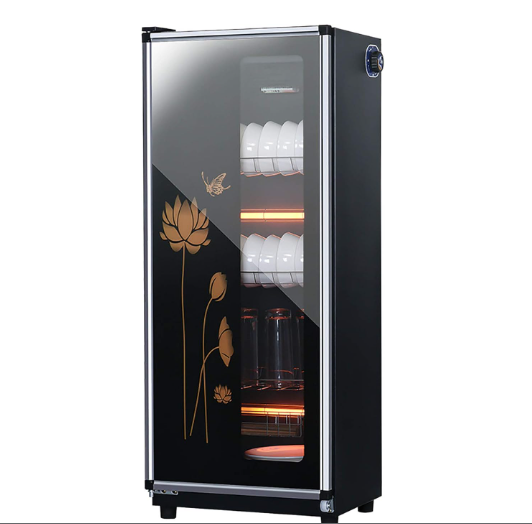
If you’ve ever run an automated kitchen line, you know the struggle. Relying on air convection alone is a headache. You get cold spots, uneven cooking, and you’re stuck waiting forever for the oven to recover its temperature after you slide in a new batch. That’s why we use 300W infrared (IR) lamps. Think of it as a tag team. The convection air does the heavy lifting, but the IR lamps provide that targeted hit of heat exactly where it’s needed. It kills the long pre-heating wait and gets the surface of your food to the right temp without accidentally nuking the center. Why 300W? We landed on 300W because it’s the sweet spot. It’s powerful enough to heat things up fast, but it won’t melt your oven chassis. The best part? Shortwave IR hits the food almost instantly. Unlike those big, heavy heating elements that stay hot long after you turn them off, these lamps stop the second the relay clicks. No more “temperature overshoot” that ruins a delicate batch of product. It just stops. The Nitty-Gritty Hardware We make these out of high-purity quartz glass. Why? Because rapid cycling—turning them on and off constantly—would shatter cheap glass. We can also tweak the lengths and connectors so they just slide right into your existing setup. But a quick heads-up on the electrics: 300W isn’t a huge load on its own, but the “inrush current” when they first kick on can be a spike. If you’re installing a bank of ten lamps, give them their own dedicated circuit. You don’t want to be the person who trips the breaker in the middle of a rush. Making it Smart To actually automate this, you can’t just “set it and forget it.” You need a thermocouple or an IR sensor feeding data back to a PLC, which then manages the power through Solid State Relays (SSRs). One thing to watch out for: distance. IR is fast. Really fast. If you mount the lamps too close to the food, you’ll char the surface before the hot air even has a chance to move. It takes a little bit of tinkering to find that perfect gap between the lamp and the product, but once you hit it, it’s a breeze.