
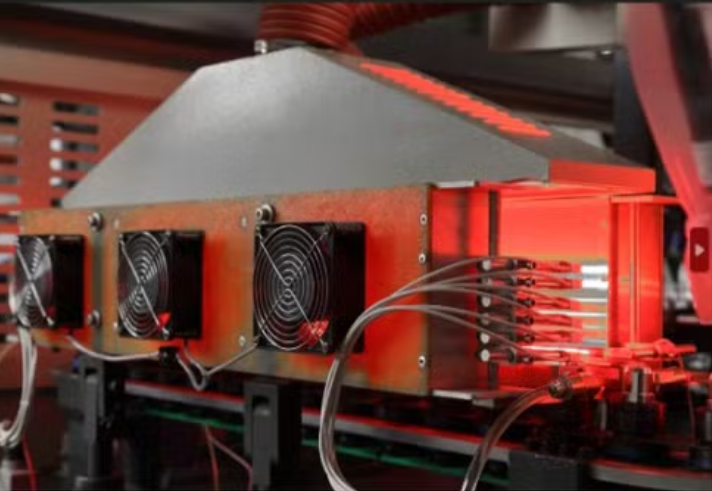
Getting More Out of Your Old Aoki Blow Molding Machine
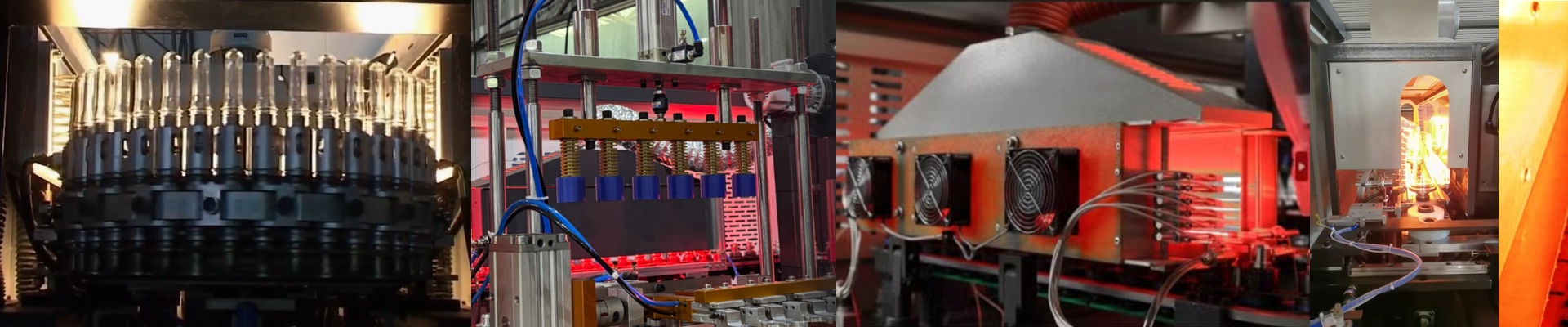
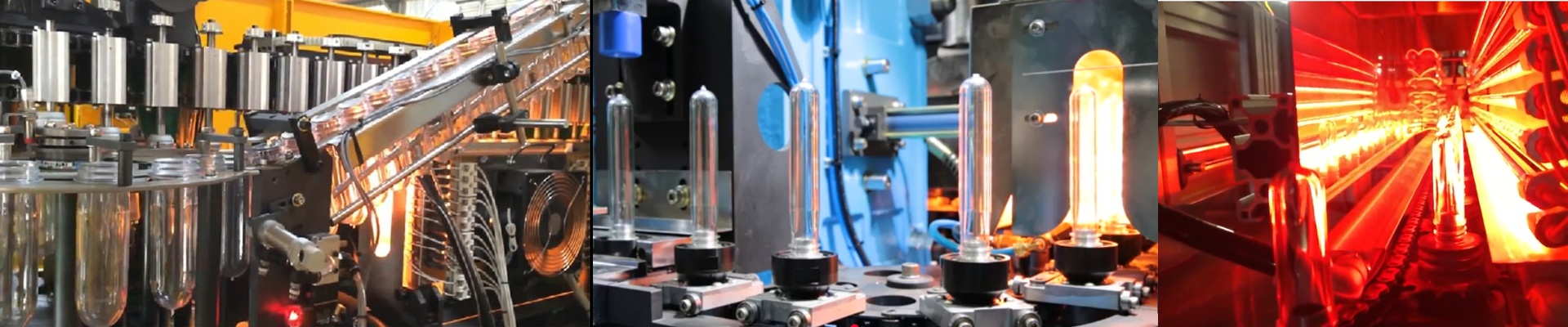
If you’re running an older Aoki machine, you know the frustration. One minute things are fine, and the next, your preforms aren’t heating evenly. You start seeing those annoying thickness variations in the bottle walls, or your cycle times just start to drag. Most of the time, it’s not the machine failing—it’s just that the infrared lamps have worn out. They lose their punch over time. Swapping them for high-density quartz halogen lamps is probably the fastest way to get your production speeds back where they belong. The secret is in the heat density. We build these replacement lamps to push out more short-wave infrared light. By tweaking the wattage-to-length ratio, we get more heat actually hitting the PET. Now, a higher wattage lamp doesn’t just heat the plastic faster. It gives you options. You can either speed up the conveyor or shorten the heating tunnel. But a word of caution: don’t just crank the power to the max. If you do, you’ll scorch the plastic. You’ve got to find that sweet spot between the lamp’s power and your blower’s airflow so you don’t fry the neck of the preform. Will it actually fit? Yes. We use high-purity quartz glass because these things take a beating in high-heat environments. They won’t warp. Most Aoki setups use standard R7s or SK15 connectors, so these are basically drop-in replacements. You won’t have to mess around with your control cabinet or swap out your contactors. Plus, the halogen cycle inside the tube stops the tungsten filament from evaporating, meaning your heat stays steady for thousands of hours. Bringing it all together Updating your lamps is a cheap way to make an old machine feel modern again without dropping a fortune on a brand-new blower. You’ll likely see your bottles-per-hour (BPH) climb almost immediately. Just one thing before you start: more heat density means more stress on your power supply. Take a look at your wiring. If the cables look brittle or charred, replace them first. It’s a small step, but it beats dealing with a short circuit right when you’re ramping up production.