Stop the Temperature Rollercoaster on Your SIPA Rotary Machines
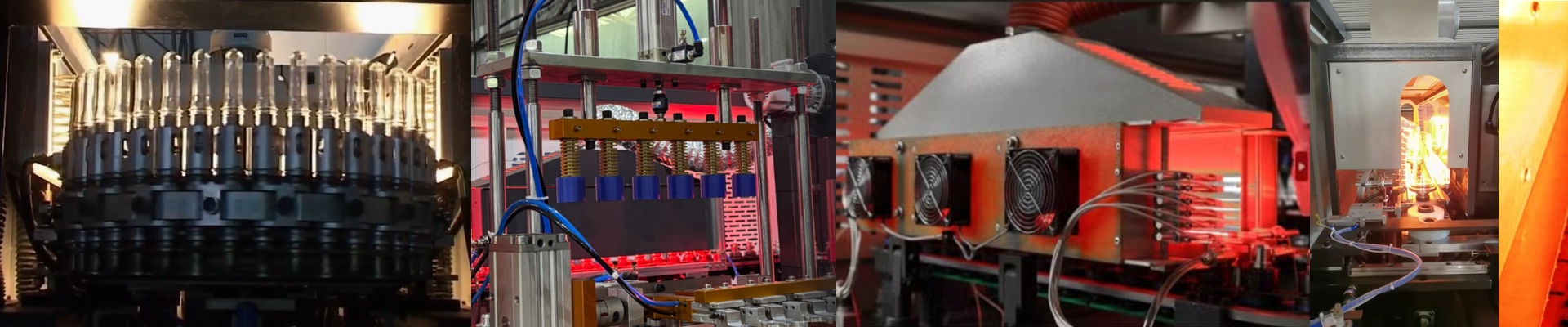
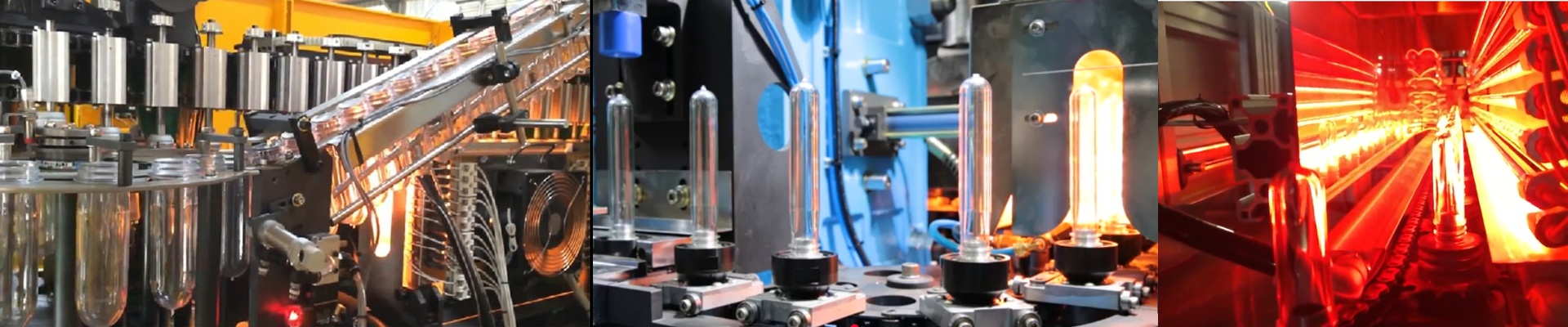
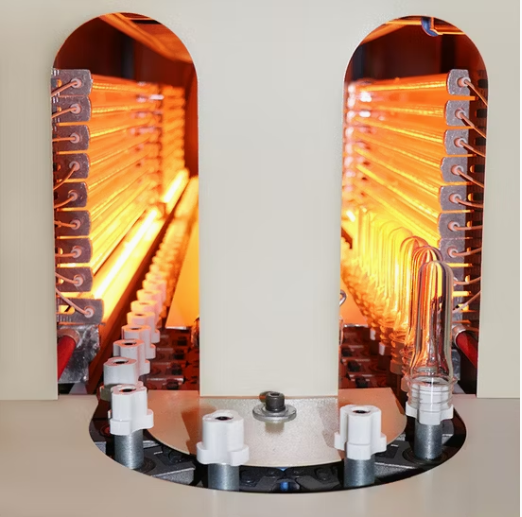
If you’re running a SIPA rotary blow molder, you know that heat is everything. When your infrared lamps aren’t hitting the exact power specs the machine expects, things go south quickly. You start seeing “hot spots” or patches that aren’t warm enough. The result? Bottles with wonky wall thickness and a scrap bin that fills up way too fast. It’s frustrating. We solve this by focusing on a 1:1 power match. We make sure our heaters mirror the original OEM specs exactly, so your heat profile stays flat and predictable across the whole oven. Why “close enough” isn’t good enough Here is the thing: a 5% difference in wattage looks tiny on a piece of paper. But in a high-speed rotary cycle, that tiny gap changes how the PET material behaves. It messes with the viscosity. When the wattage is off, your PID controller has to work overtime, basically fighting against the hardware to keep things stable. We spec our lamps to the exact voltage and wattage your SIPA system needs. Once the power matches, the controller can finally relax. You get a steady, reliable heat soak every single time. Plug and play (for real) We use high-purity quartz glass and halogen gas fills. This lets us pack in the heat density without frying the filament. Depending on your setup, we provide R7s or Sk15 connectors. They’re simple drop-in replacements. You won’t have to rewire your racks or mess around with the sockets. Plus, we build them to handle the constant vibration of a rotary environment, so they won’t wiggle loose while you’re running. A quick heads-up on speed High-wattage shortwave lamps are great because they deliver a massive amount of heat quickly. This is a win for your cycle times. But there’s a catch. All that extra power puts more pressure on your cooling blowers. If you’re pushing the power to the limit to squeeze out more speed, just make sure your oven’s ventilation can actually pull that ambient heat away from the electronics. At the end of the day, this isn’t about having a “fancy” lamp. It’s about making sure the ohms match what the machine expects. That’s how you kill the fluctuations for good.