
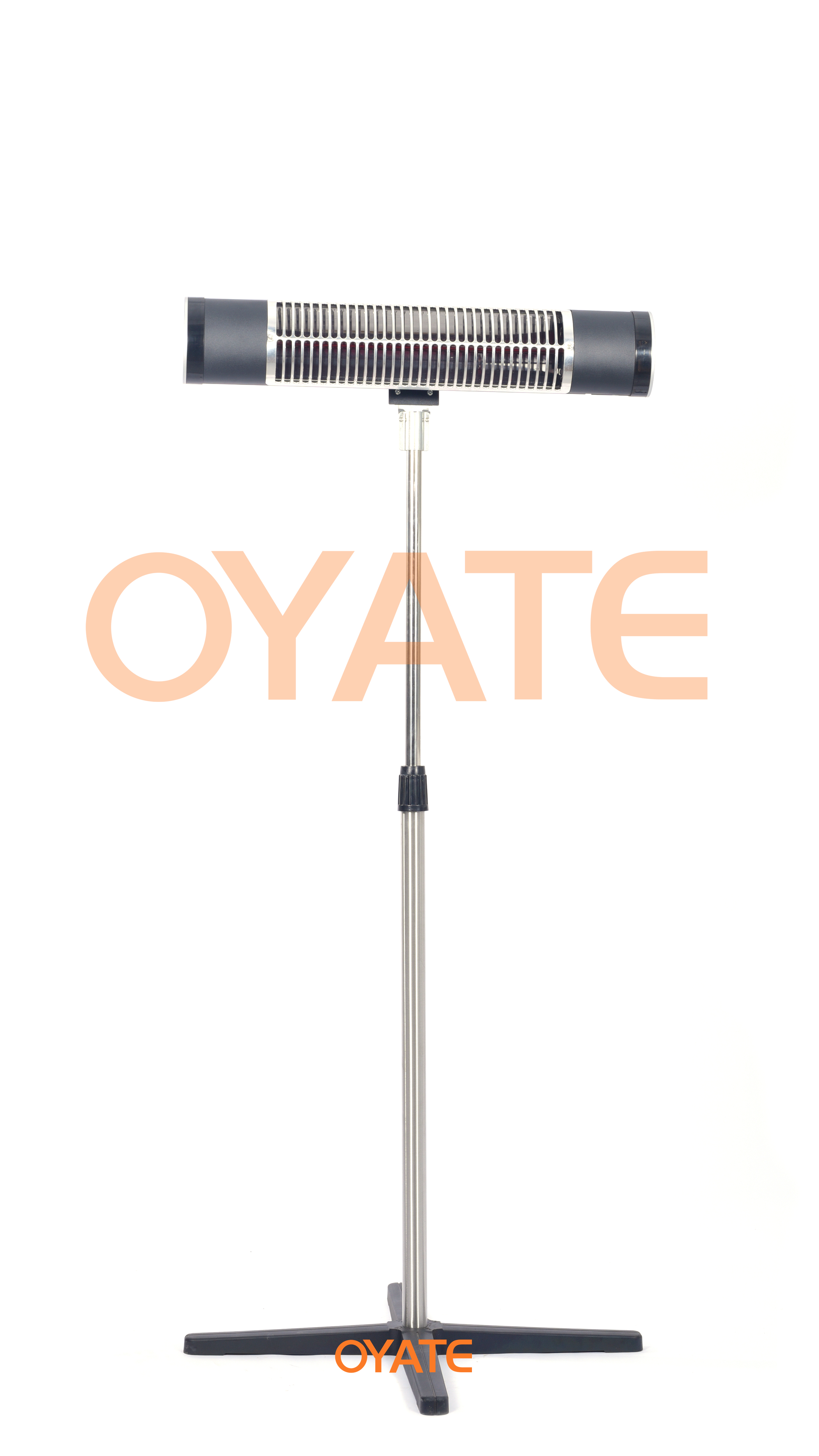
Why Infrared Heating is Actually About More Than Just Staying Warm
Most of us think of bathroom heaters as a way to stop the shivers when we step out of the shower. But if you look under the hood, a good IP55-rated infrared system is less about “warmth” and more about fighting a war against moisture. We build these things to take a beating. Splashes, steam, dust—none of that should matter. The goal is to keep the electronics safe and dry while everything around them is soaking wet.
The Fight Against Mold
Mold loves two things: dampness and still air. It’s a nightmare to get rid of once it settles in. Here is how we handle it. Standard heaters just warm up the air, but infrared is different. It goes straight for the surfaces—your walls, your ceiling, the nooks and crannies. It bumps the temperature of those surfaces up just enough so that water can’t settle. Think of it this way: if the wall is warm, the steam can’t turn back into liquid water on the surface. No condensation means no damp spots for mold to call home. It’s a much smarter way to keep a room dry because you’re stopping the problem before it even starts.
Getting the Hardware Right
To make this work in a shower zone, the build quality has to be spot on. That’s where the IP55 rating comes in. It basically means the gaskets and seals are tight enough that a stray spray of water won’t fry the terminals. We use quartz glass tubes for the heating elements. Why? Because they can go from ice-cold to searing hot in seconds without cracking. But you have to get the sizing right. If the unit is too weak, you’ll end up with cold spots where mold can still sneak in. On the flip side, if you go overboard with the wattage, you risk baking your bathroom sealants until they peel. It’s all about a bit of balance.
A Quick Warning on Wiring
Don’t cut corners on the installation. These units pull a lot of power the moment they kick on. If you use cheap, thin wiring, things can get dangerously hot. You’ll want to make sure your breakers are rated for the actual load of the infrared array. Otherwise, you’ll spend your morning resetting the power in your basement because the breaker tripped again.