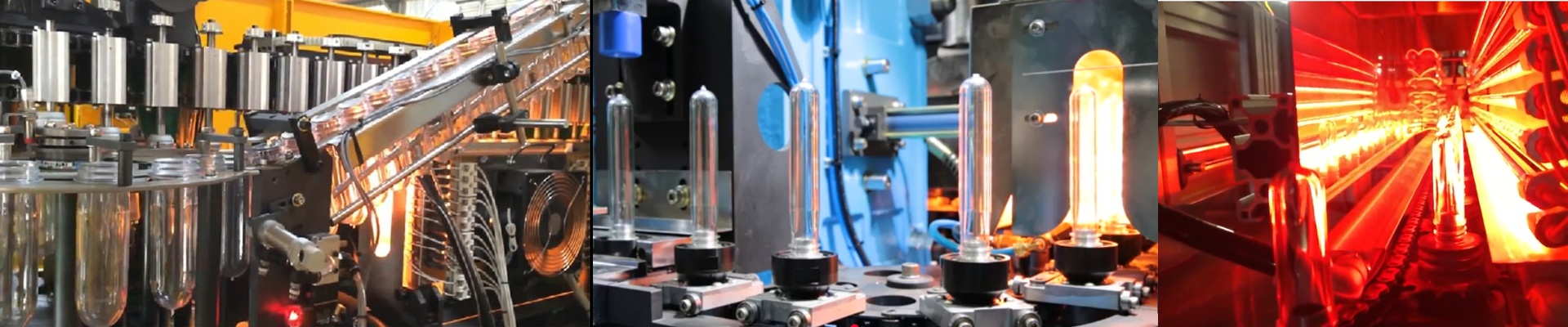
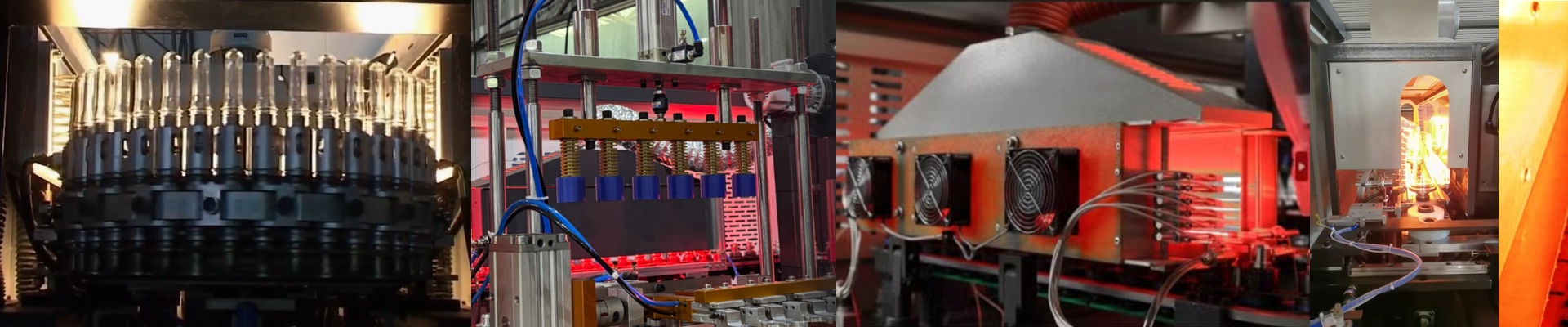
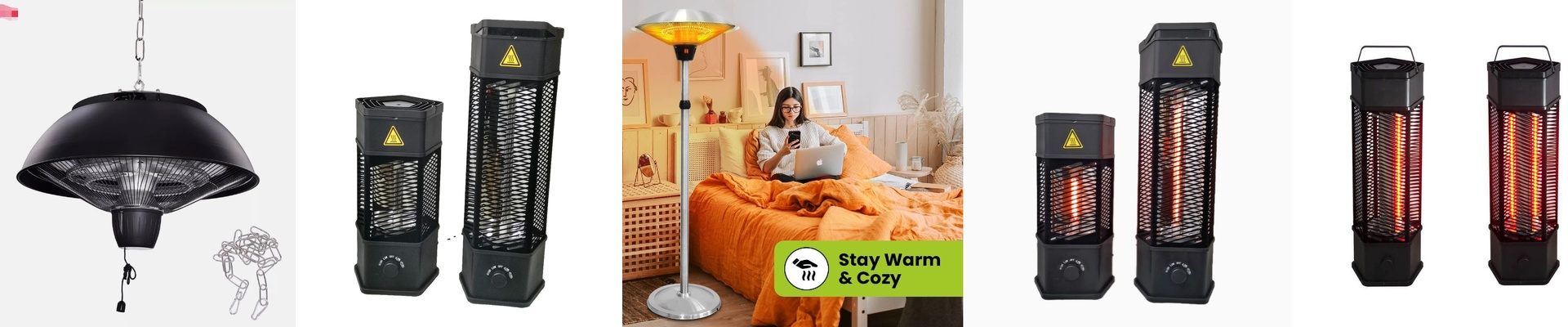


When winter really digs in, the problem isn’t just cold air—it’s the way heat never seems to land where you actually need it. Baseboard heaters tend to live along the wall and out of the way, but the design and the build quality decide whether a room finally feels settled or you’re still grabbing an extra layer. We built an infrared baseboard heater to deliver comfort with a much smaller footprint, and that starts long before the unit ever leaves our line.
What matters, under the hood
We pair a carbon fiber infrared element with a low-profile baseboard housing to deliver radiant warmth—heat that targets people and surfaces, not just the air. The element comes up to temperature fast, so you feel the warmth sooner, and it runs quietly because there’s no fan to whir. The choices are straightforward: 120V plug-in models for standard outlets, and hardwired versions for permanent installs, with a built-in thermostat for day-to-day control. The slim footprint keeps it out of the way, and the infrared output helps keep a steadier feel in drafty rooms.
Why this approach holds up
Green manufacturing isn’t a tagline—it’s a stack of daily decisions, from materials sourcing to the packaging that leaves the dock. We audit supply chains to cut unnecessary solvents, use recyclable packaging, and push components through longevity testing so fewer units end up as waste. In your home, that translates into comfort you notice right away: warmer floors, fewer cold spots, and a more stable temperature near exterior walls where winter shows up first. Because infrared warmth starts at the element and radiates outward, you get a more even comfort profile without cranking the heat through the whole house.
The practical details that matter
Placement makes all the difference. Baseboard infrared heaters perform best when they’re unobstructed—keep furniture, curtains, and rugs at a safe clearance so the warmth can spread evenly. They’re well-suited as supplemental heating in living rooms, bedrooms, and finished basements, but they aren’t intended to replace a whole-home system in extreme climates. Hardwired units need a dedicated circuit, and with plug-in models, always match the cord to the load and keep the outlet accessible. If you want warmth that feels natural—and a process you can stand behind—this is the practical way to bring steady comfort into the rooms you actually live in.