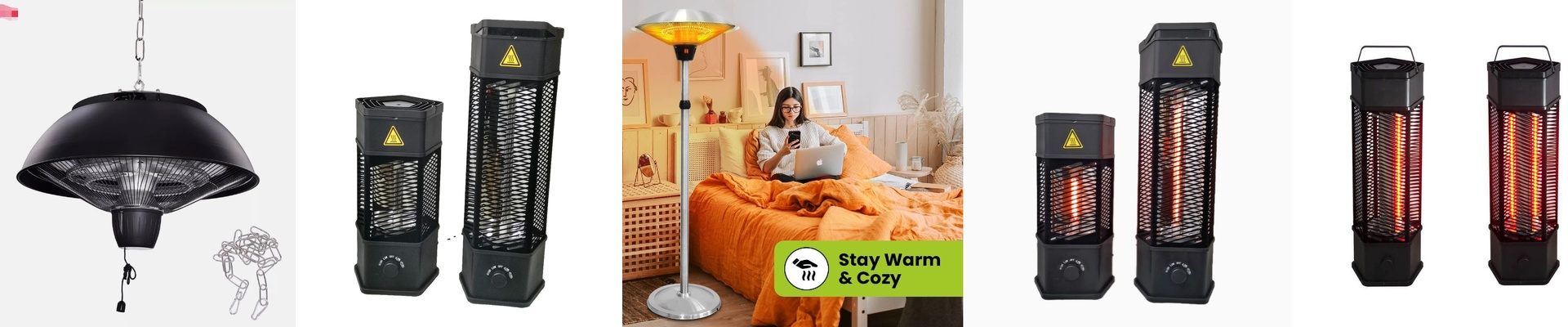
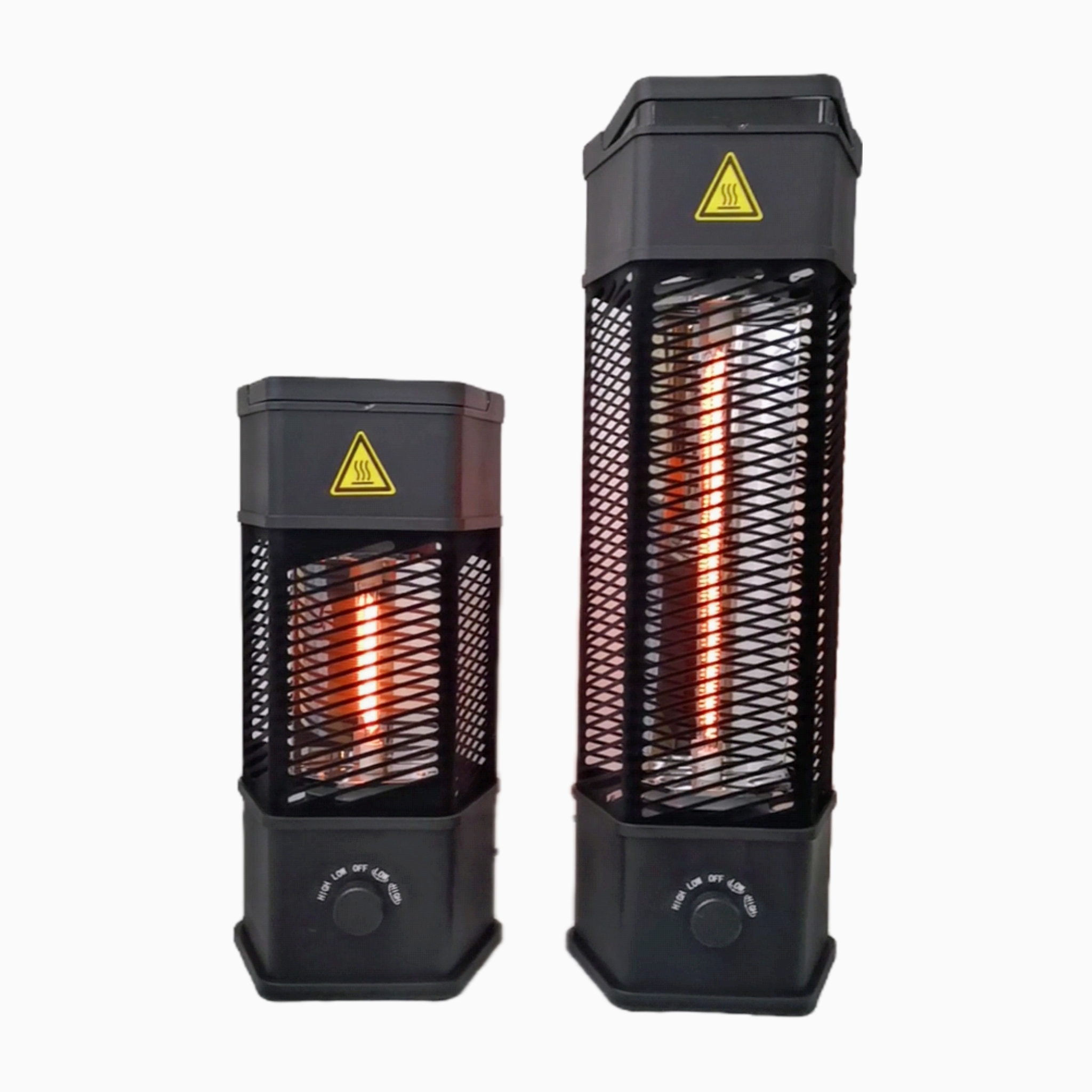
Off-grid living used to mean the familiar tang of a kerosene stove—warmth, sure, but also soot, bone-dry air, and that stubborn fuel smell. You know the routine: breathing gets heavier, eyes start to sting, and the room turns stuffy in minutes. We built our decorative electric heater to break that cycle and give you clean infrared warmth—heating people and spaces, not the air with pollutants.
What matters under the hood
Inside, it runs on a carbon-fiber infrared element. That means radiant heat—warming people and furnishings directly, instead of relying on convection. The payoff is localized comfort with less air movement, so dust stays settled and humidity doesn’t get knocked around. It plugs into standard household power, draws a predictable load, and comes with a built-in thermostat to set and hold a steady temperature. For safety, you get tip-over protection and overheat protection—quiet, practical features that matter when the heater runs hour after hour.
Why this switch makes sense
Going from kerosene to an electric infrared heater cleans up indoor air quality right away. No open flame, no combustion byproducts in the room, no fuel storage. You avoid the soot and that sharp fuel odor that gets into curtains and walls, and you cut down on the drafty air exchange that fuel burners tend to create. Because infrared warmth is directed, you feel cozy faster—especially on chilly mornings and evenings—without waiting for the whole room to warm up. And the look is intentionally low-profile and decorative, so it fits into living areas without shouting “industrial equipment.”
What to keep in mind
Infrared electric heaters do their best work when placed where people actually spend time, with a clear line of sight to the warmth. Keep the unit away from water sources, and never cover the heating element. Match the heater’s rated coverage to the room size for steady comfort. If the space is very large or drafty, consider a second unit or some supplemental heating. The trade is straightforward: you get clean, quiet heat—and you leave behind the fuel handling and ventilation headaches that come with kerosene.