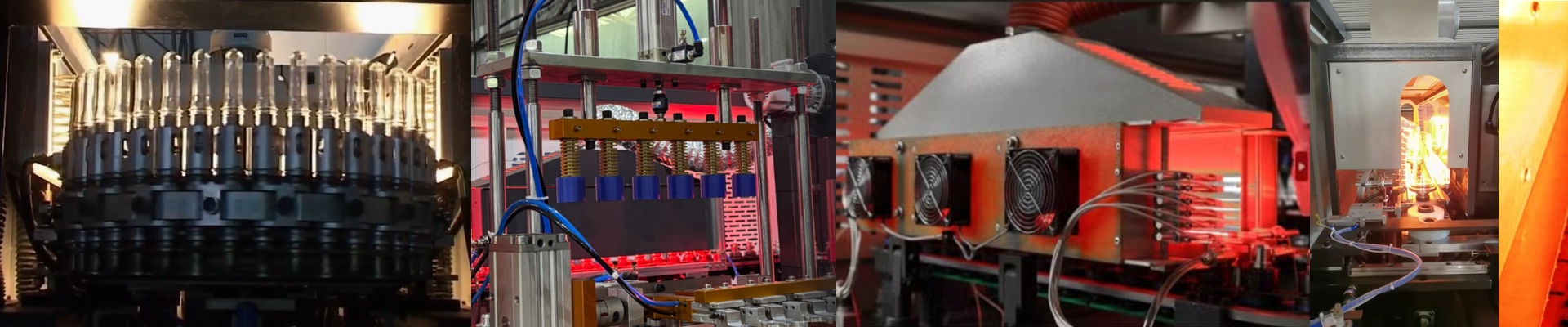

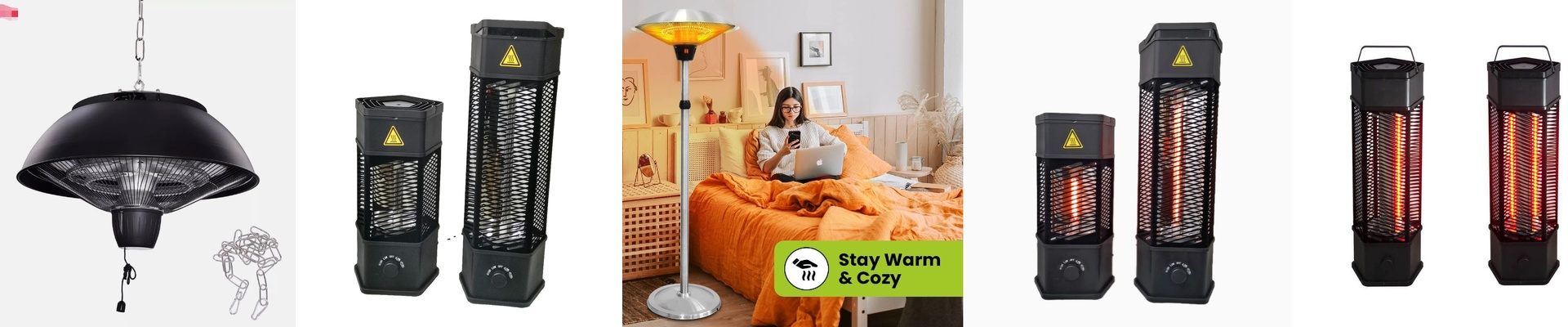


In the shop, the tolerances are tiny, but the consequences aren’t. We held the gold-coated reflector to 0.1 mm during build, because comfort that shows up late or drifts away is comfort that falls short. In a bathroom, that shortfall shows up as cold hands after a shower, fogged mirrors, and the nagging feeling that moisture is working its way where it shouldn’t.
What matters under the hood
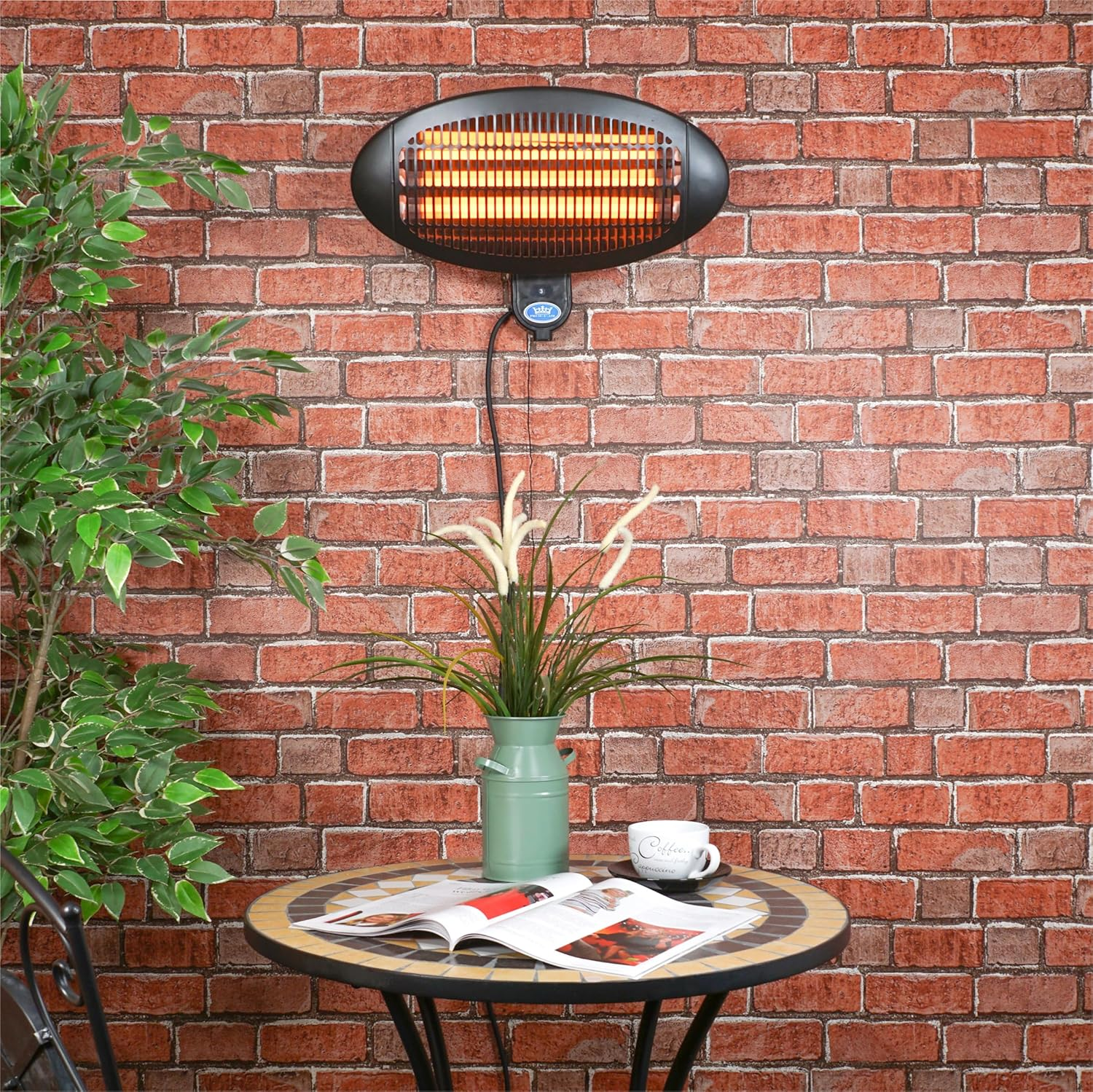
We built this bathroom infrared heater around a quartz tube element paired with a gold-coated reflector. Keeping the gold layer within that tight thickness window keeps the beam focused and even, not scattered. The payoff is radiant heat you feel fast, without waiting for the air to warm up. An IP54 waterproof rating means the housing is protected against splashes from any direction, so it can live where steam collects. It runs on standard household voltage, and a built-in thermostat holds the output steady. For safety, tip-over protection shuts the unit off if it gets bumped.
Why it fits the bathroom
A bathroom moves fast: you need heat the moment you step out of the shower, and it needs to stay stable while the room fogs up. Infrared warmth delivers that immediacy, warming people and surfaces directly. The gold-coated reflector helps keep intensity consistent across the coverage area, so you don’t get hot spots and cold corners. And because the design is waterproof, you can put it where it makes sense—near the vanity or along the shower line—without constantly worrying about moisture getting inside.
What to keep in mind
This unit is engineered for bathroom use, but placement still matters. Keep it out of direct water streams, and make sure the outlet and cord sit outside the main splash zone. It delivers focused radiant warmth, which is ideal for personal comfort, but it isn’t meant to replace whole-room heating in larger spaces. Set the thermostat to the comfort level you want and let it hold that steady.