

Why Your Bathroom Heater Keeps Dying (and How to Fix It)
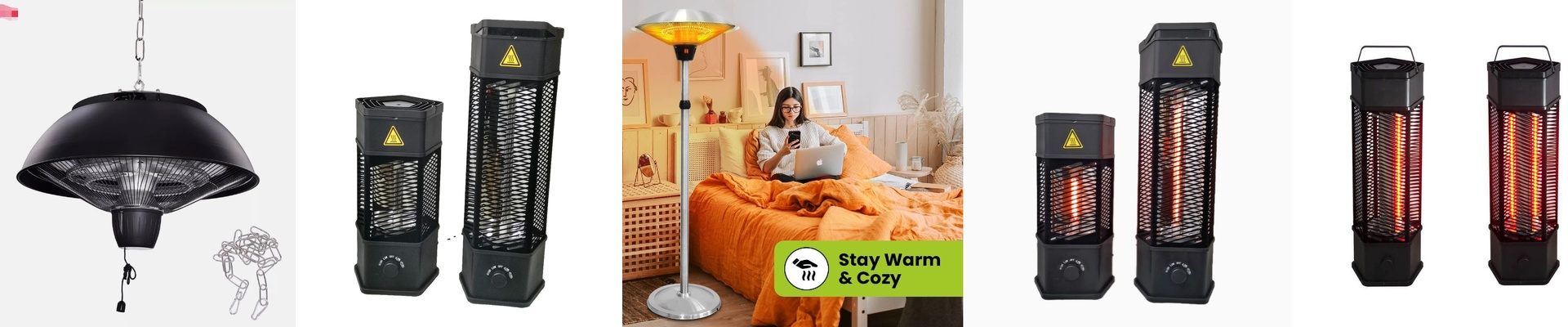
We’ve all been there. You step into a freezing bathroom, flip the switch on those old-school lamp heaters, and… nothing. Or maybe they flicker for a week before they finally give up the ghost. The problem is simple: bathrooms are brutal. Between the steam and the occasional splash, most heaters just aren’t built for the humidity. That’s why we’ve started moving everyone over to IP65-rated infrared heaters. It’s not about making the room look fancy. It’s about making sure the thing actually works. The battle against steam Here is the thing about “IP65.” In plain English, it means the unit is sealed tight. It keeps dust out and can handle water jets coming at it from any direction. Standard heaters have gaps. Steam sneaks inside, eats away at the circuit boards, and eventually, the whole thing shorts out. By sealing the electronics, we stop that corrosion in its tracks. No more “burn outs” every couple of years. Instant warmth, no waiting Most heaters try to warm up the air in the room. But in a cold bathroom, that takes forever. Infrared is different. It doesn’t care about the air; it heats whatever it hits. You. Your skin. The floor. You feel that warmth the second you flip the switch. We use short-wave elements, so you get a huge punch of heat without needing a giant, ugly machine taking up all your ceiling space. A few things to keep in mind Now, you can’t just plug these into a random wall outlet. If you’re installing a high-wattage setup, you’ll need a dedicated circuit. It’s a bit more work upfront, but it’s the only way to do it safely. Also, watch your spacing. These things get hot. If you mount them too close to plastic trim or anything that might melt, you’re going to have a bad time. Give them some breathing room. At the end of the day, switching to IP65 infrared just makes life easier. You stop dealing with shattered bulbs and fried wires. It’s a simple swap that actually survives the environment it was built for.