
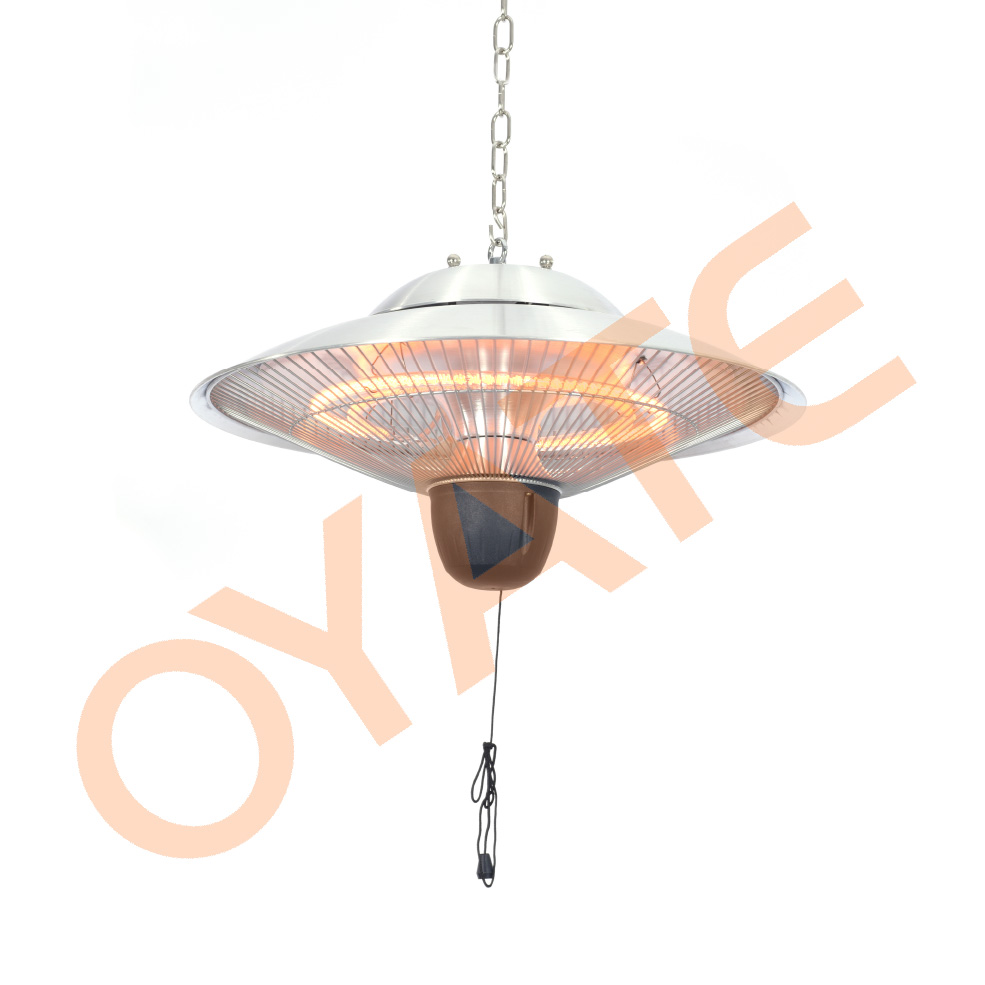
Cold, damp laundry days can stretch a simple chore into a long wait. You crank up the heat, the room warms up—and suddenly the air gets thirsty, pulling moisture out of fabrics and leaving them stiff. The real question is how to dry clothes faster without turning your living space into a desert.
What matters, technically
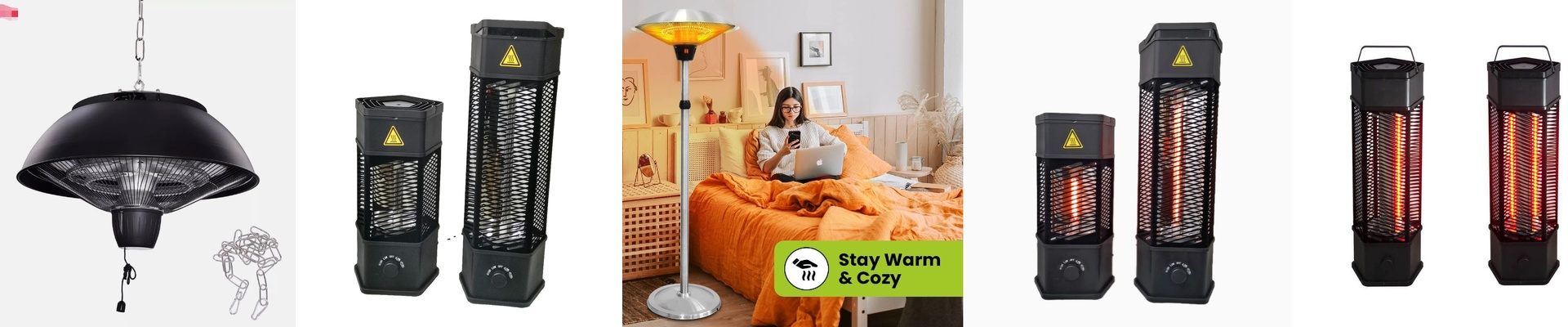
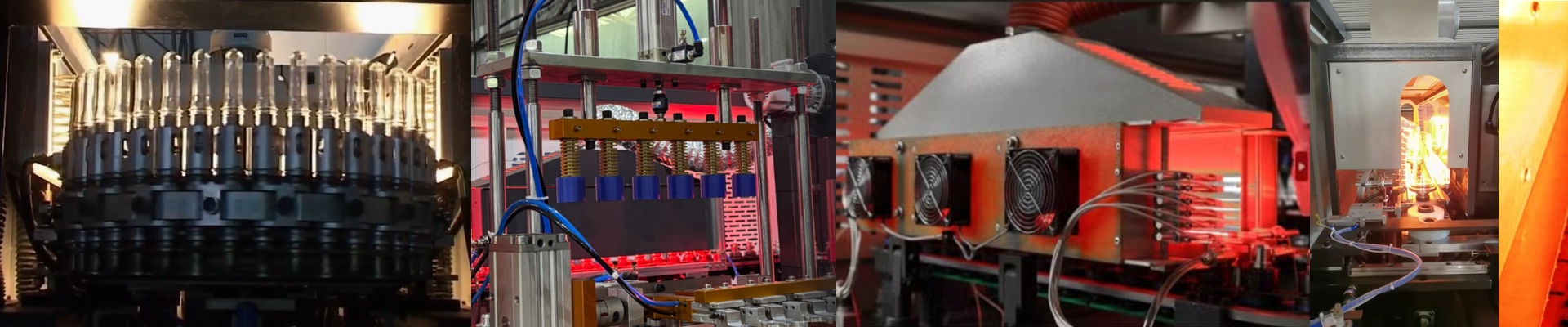
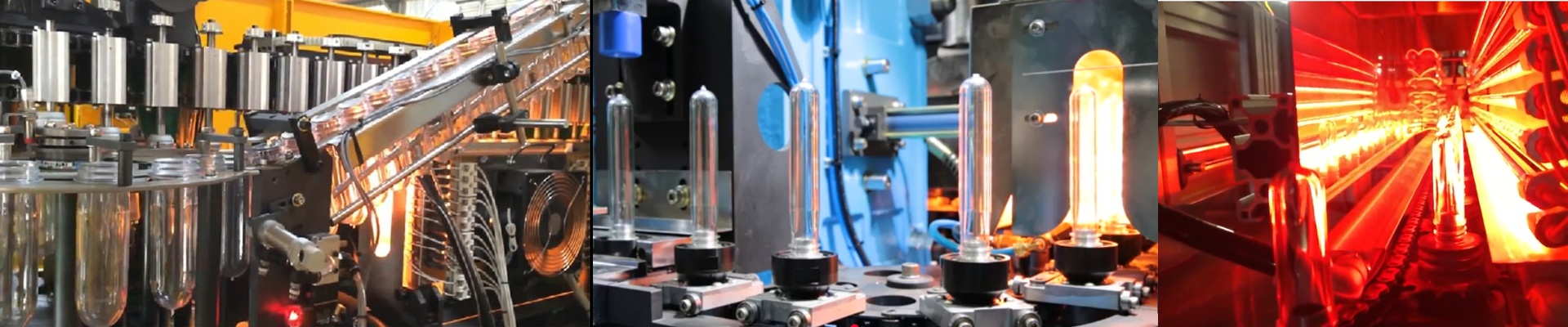
Infrared clothes drying heaters deliver radiant warmth, warming objects and surfaces directly instead of heating the air. In practice, that means the fabric gets the heat while the surrounding air stays more stable. The heating element—often a carbon fiber or quartz tube—emits short-to-medium wavelengths that penetrate fibers and speed evaporation from the inside out. Add in a low-noise fan and a built-in thermostat, and you get controlled, even drying. Many units run on standard household voltage, fit in tight corners, and include safety basics like tip-over protection.
Why this approach works
Indoor humidity is a balancing act. Conventional convection heaters push warm air around, which can drive down relative humidity and leave skin, wood, and fabrics feeling dry. An infrared clothes drying heater targets the laundry, not the whole room, so you get faster drying without the harsh side effect. The payoff is softer clothes, fewer wrinkles, and a more comfortable feel in the room. You also use energy only where it’s needed, which can help keep bills in check.
The practical details
Radiant heat works best when clothes have room to breathe. Keep garments spaced apart and don’t block the heater’s front airflow. For larger loads, consider a model with higher wattage and adjustable heat settings to match the task. Because infrared heats objects directly, nearby surfaces may feel warm, so maintain a safe clearance. And while these heaters are designed for indoor use, always check the IP rating and placement instructions—moisture from wet laundry and condensation can matter over time.