
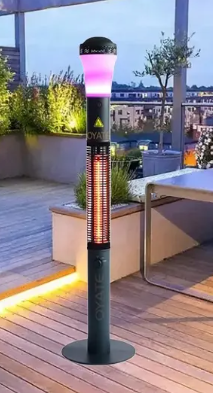
Why Most Infrared Heaters Die (and How We Stop It)
Water and electricity don’t mix. It’s the oldest rule in the book, but in an industrial setting, it’s the number one reason infrared heaters kick the bucket. Think about it: moisture seeps into the terminals or a stray drop hits a scorching hot quartz tube. Boom. You’ve got a short circuit or a cracked tube from thermal shock. It’s frustrating, it’s expensive, and it stops your work cold. That’s why we build our heaters with an IPX5 rating. What does that actually mean for you? Basically, it means you can hit this thing with low-pressure water jets from any direction and it won’t blink. We’ve sealed the chassis and used heavy-duty gaskets to keep the internals bone-dry. And look, it’s not just about a rainy day. If you’re working on a shop floor where people are hosing down the area or you’ve got a leaky pipe overhead, a standard heater is a ticking time bomb. Ours just keeps humming along. The hidden enemy: Fog and Condensation Then there’s the fog. You know that hazy film that builds up when a heater cycles off and the air hits the cool glass? That’s not just an eyesore. That moisture creates “cold spots” on the element. Over time, those spots cause the tube to burn out way faster than it should. To fix this, we use specific coatings and designed the airflow to literally push the moisture away from the heat zones. The glass stays clear, the heat stays even, and the equipment lasts longer. A quick heads-up on the trade-off Here’s the thing: when you seal something this tight to keep water out, the unit can’t “breathe” as easily. Because the housing is so secure, heat can build up inside the chassis. You just need to make sure you give the heater plenty of room. Don’t cram it into a tight corner or block the external vents, or you’ll trigger the thermal cutout. We built these to take a beating in the worst conditions. By stopping the water before it ever touches the electronics, you spend less time replacing lamps and more time actually getting things done.