Saving Money on Bread Oven Lamps Without Ruining Your Crust
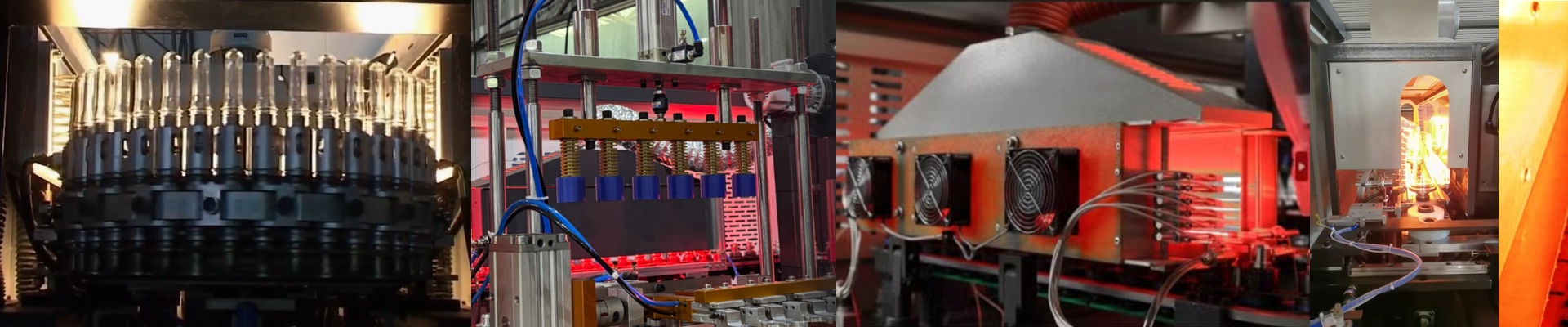
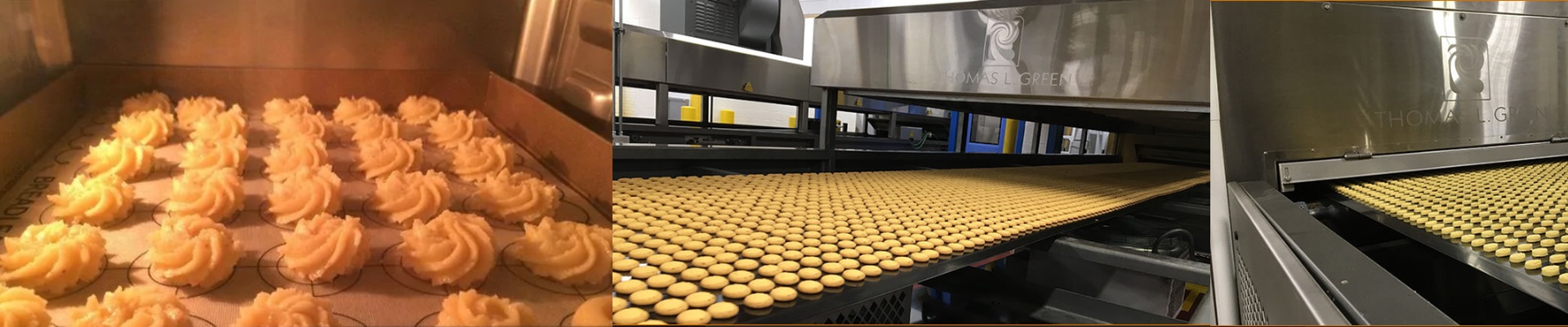
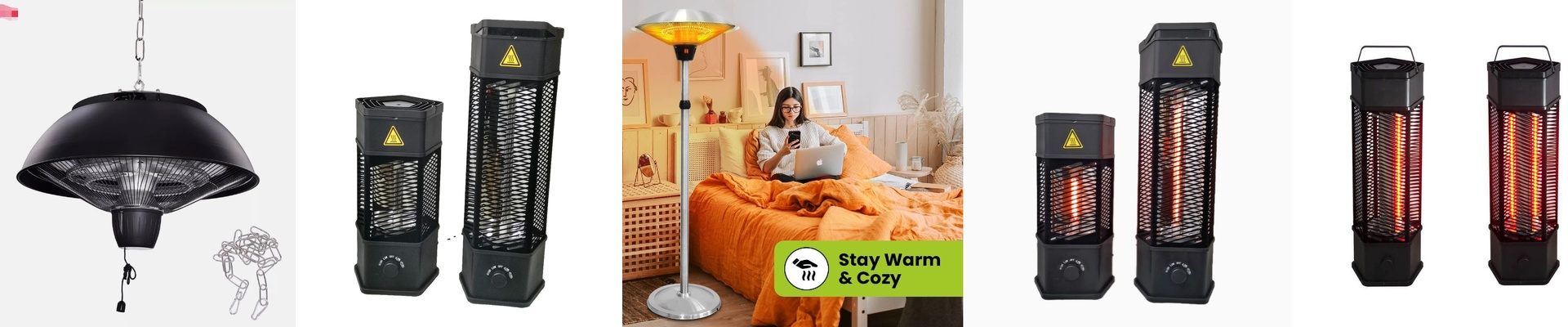
Let’s be honest: OEM replacement lamps for high-end bread ovens are ridiculously expensive. It feels like a shakedown. But you can’t just grab the cheapest bulb you find on the internet and hope for the best, or you’ll end up with uneven browning and a lot of wasted dough. Most of these ovens use short-wave infrared (SWIR) quartz halogen bulbs. They’re the secret to that perfect, snappy crust and deep golden color. If you’re looking for a drop-in replacement that actually works, here is what you need to watch out for. Don’t just look at the wattage. That’s a rookie mistake. You’ve got to double-check the voltage and the physical size. If you plug a 230V lamp into a 110V circuit, it’ll be weak and underwhelming. Do the opposite? You’ll pop the filament instantly. Then there’s the fit. Check your end-caps—usually R7s or SK15. If the lamp is a fraction too long, it won’t seat. Too short, and you get these annoying cold spots in the oven where the bread just doesn’t brown. The science bit (simplified) These bulbs use high-purity quartz glass because the heat cycles are brutal. The halogen part is what keeps the tungsten filament from evaporating too fast, which means the bulb lasts longer. You might see some bulbs with a gold or special coating. These are actually great. They push the heat forward onto the bread instead of letting it soak into the oven walls. It’s just more efficient. The hidden costs of “cheap” Here’s the thing: some budget bulbs look identical but use lower-grade glass or filaments. You might save twenty bucks now, but the bulb dies in 500 hours instead of 2,000. That’s a lot of annoying replacements. Also, keep an eye on your wiring. High-wattage tubes pull a lot of current. If you decide to go with a higher power density lamp, make sure your relays and wires can handle it. You don’t want to smell melting insulation in the middle of a morning shift. One last pro tip. Whatever you do,do not touch the quartz glass with your bare fingers. The oils from your skin create little hotspots on the glass. Once the oven heats up, those spots cause the tube to fail way sooner than it should. Grab some gloves or wipe them down with alcohol before you slide them in. Your wallet will thank you.