Fixing Those Annoying Cold Spots in Your Bakery Oven
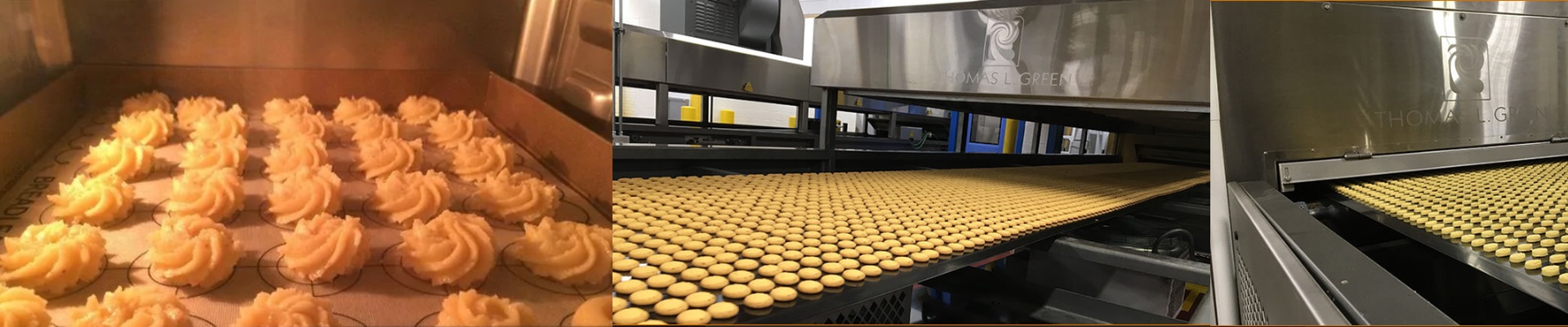
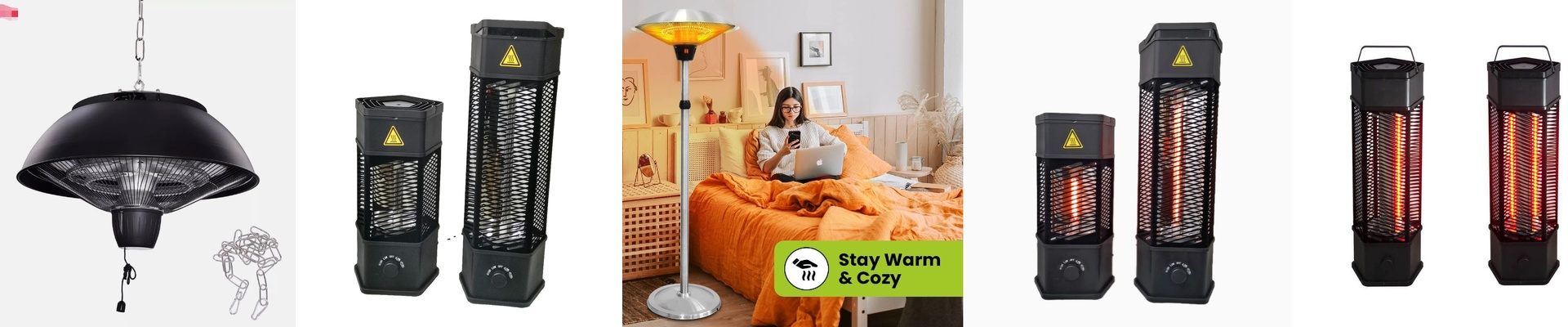
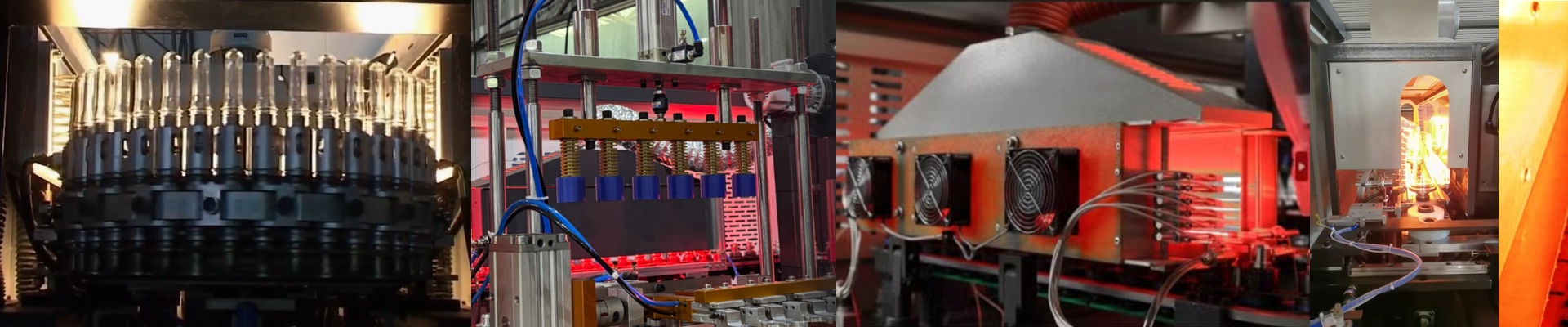
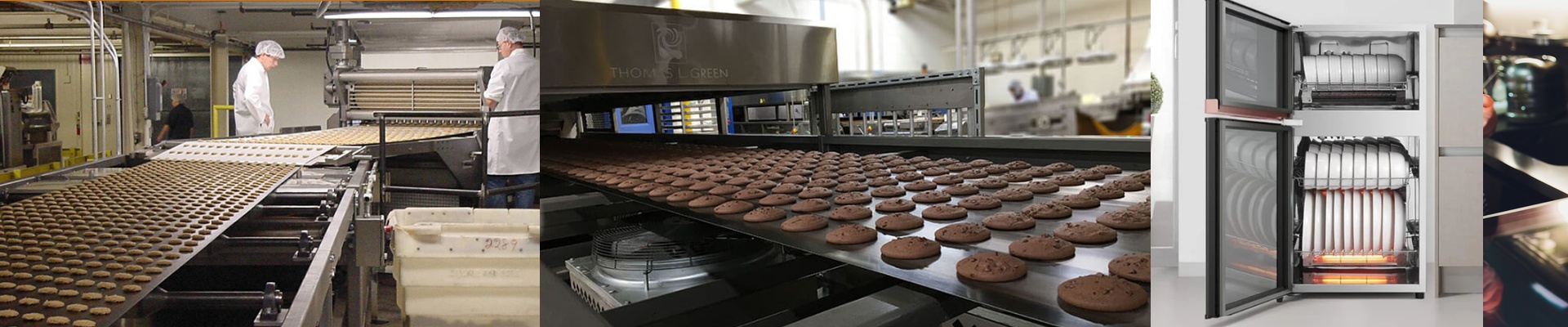
There is nothing more frustrating than pulling a tray out of the oven only to find the edges are burnt to a crisp while the centers are still raw. It’s a nightmare. You end up tossing a huge chunk of your product in the bin, which is basically just throwing money away. When this happens, you’ve got a thermal balance problem. But instead of cranking up the heat for the whole oven—which just burns the edges even more—we use infrared (IR) heaters to pinpoint the problem. How it actually works Think of it this way: convection is like trying to warm up a room with a fan. IR is more like standing in the sun. It doesn’t care about the air; it sends energy straight into the surface of your bread or pastry. We usually tuck these IR lamps into the “danger zones”—the spots where heat loves to leak out, like right by the door seals or where the conveyor first enters the oven. It smooths everything out so the product gets the same treatment from edge to edge. Getting the setup right For most bakeries, short-wave or medium-wave quartz heaters are the way to go. One thing to watch out for: check your power. If you’re running a 400V system, make sure your contactors can handle that initial surge of power when the heaters kick in. You don’t want to blow a circuit halfway through a shift. And honestly? Placement is everything. If the lamps are too close, you’ll scorch the tops. Too far, and they won’t do a thing. I always suggest using PID controllers and their own thermocouples. It keeps things steady so you don’t accidentally overshoot your temperature. The honest trade-offs Here is the catch. IR is incredibly fast. It hits your target temp in seconds. But that intensity makes the lamps a bit fragile. They can’t take a hit, and they hate grease. If oil builds up on the quartz tubes, the heater has to work twice as hard to push the heat through that grime. That’s a quick way to kill your lamps. Keep them clean. And for heaven’s sake, use high-temperature leads for the wiring. If you use cheap insulation, it’ll melt the moment things get hot, and then you’ve got a real mess on your hands.