Stop Waiting on Your Oven to Heat Back Up
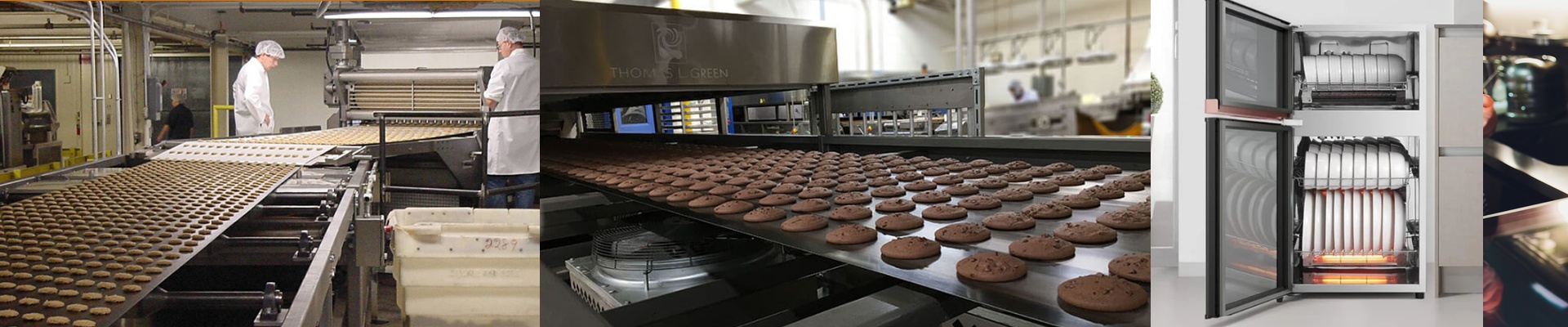
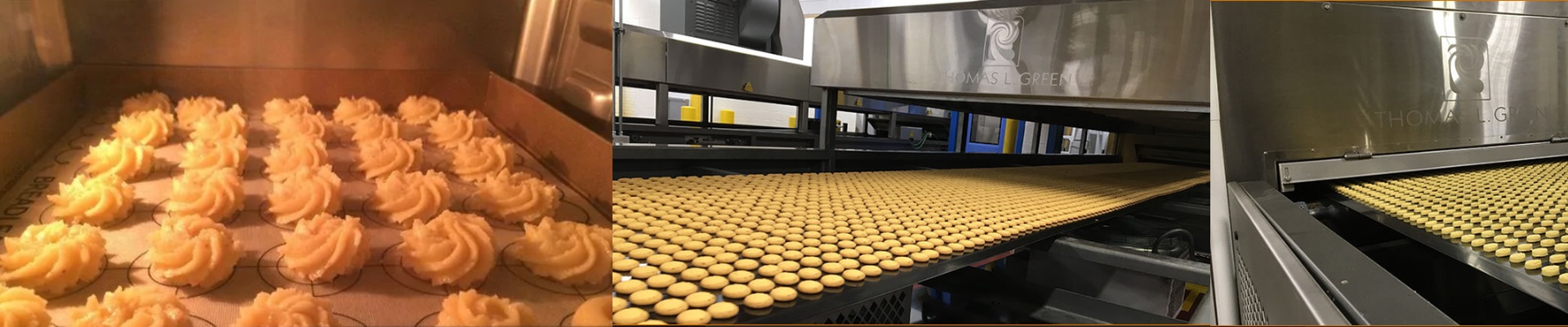
If you’ve ever run an industrial bakery, you know the frustration of the “dip.” You load a fresh batch of dough, the oven temperature plummets, and suddenly you’re just standing there waiting. It kills your momentum and slows down your entire day. That’s where ceramic auxiliary heaters come in. Think of them as a turbo button for your oven. Instead of waiting for the whole chamber to slowly warm up again, these boosters kick in and blast immediate heat exactly where it’s needed. It keeps your production rhythm tight and your stress levels low. Why ceramics? Standard convection heating is fine, but it’s slow. Ceramic elements are different—they give you high-density radiant heat. The best part? You don’t have to run them all the time. You only trigger them during that recovery window. This means your main heating system isn’t working overtime 24/7, which keeps your relays and contactors from burning out. Your equipment actually lasts longer because it isn’t constantly fighting a losing battle. Keeping it clean When you’re baking bread, you can’t have mystery flakes or weird smells ending up in the crust. We use food-safe ceramic coatings that don’t flake or oxidize. Plus, they don’t release any nasty fumes when they get screaming hot. Since bread ovens are basically steam rooms, these housings also protect the internal wiring from moisture. No more elements blowing out just because the air got too humid. A few things to watch out for Now, you can’t just slap these in without a plan. Adding extra heat means more power. Before you start, double-check that your electrical panel and breakers can handle the extra load when both the main heaters and the boosters are humming. And be careful with the placement. If you put too much wattage in a tiny space, you’ll end up with “hot spots” that scorch your bread. To avoid that, we always suggest pairing these with a PID controller and a fast thermocouple. It makes the system smart. The heat hits the product hard and fast to get the temperature back up, but then it cuts off the second it hits the mark. You get the speed without the burnt crust.