Introduction
Let’s get straight to it. We built this infrared bulb for engineers who need heat, right now. And not just any heat—heat you can control with precision. This isn’t some general-purpose heater. It’s a focused tool, designed for jobs where you need to change temperatures fast, and hold them steady. Think of it as the difference between warming a room and hitting a specific spot, exactly when you need to.
The Power Behind the Speed
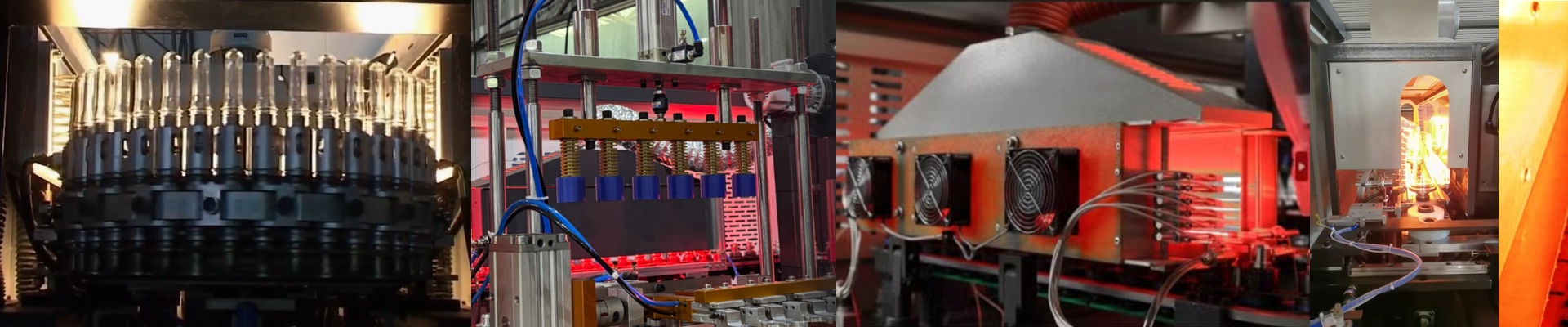
The whole point of this bulb is speed. It’s built to deliver a blast of heat the second you need it. That means you can achieve those quick, on-off temperature shifts without the overshoot. It’s all thanks to packing a lot of power into a small space. But here’s the thing—that kind of power has a price. A high-wattage, high-voltage setup means your electrical system needs to be up to the task. Your control panel needs wiring and contactors that can handle the initial surge and the constant load. We provide the heat; you just need to make sure your setup can carry the weight.
What It’s Made Of, and Why It Matters
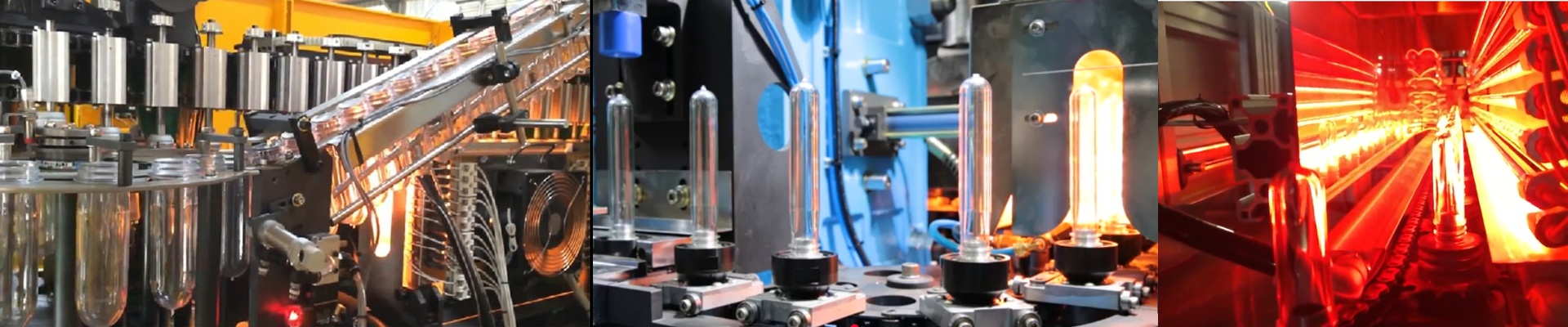
We chose a halogen-filled quartz envelope for a reason. Quartz can handle the shock of rapid heating and cooling without cracking. And the halogen cycle keeps the filament stable, so the output stays strong over time. The infrared coating focuses the energy right where you need it. That means more efficient heating and less wasted heat all around. And the connector? We went with an R7s base. It’s a standard, tough choice for linear tubes. It gives you a solid connection, holds up against vibration, and makes replacement a breeze. It’s just a practical, shop-floor solution.
When You Need Precision, Not Guesswork
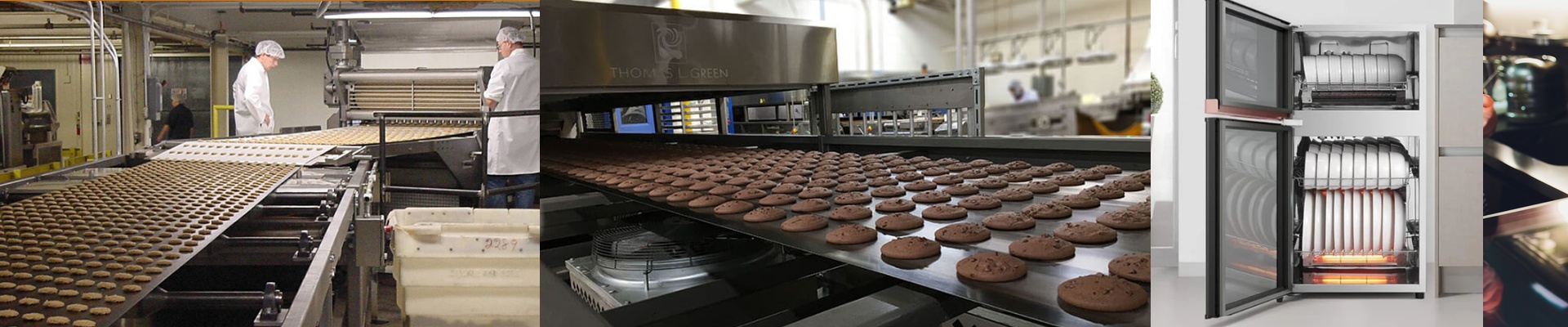
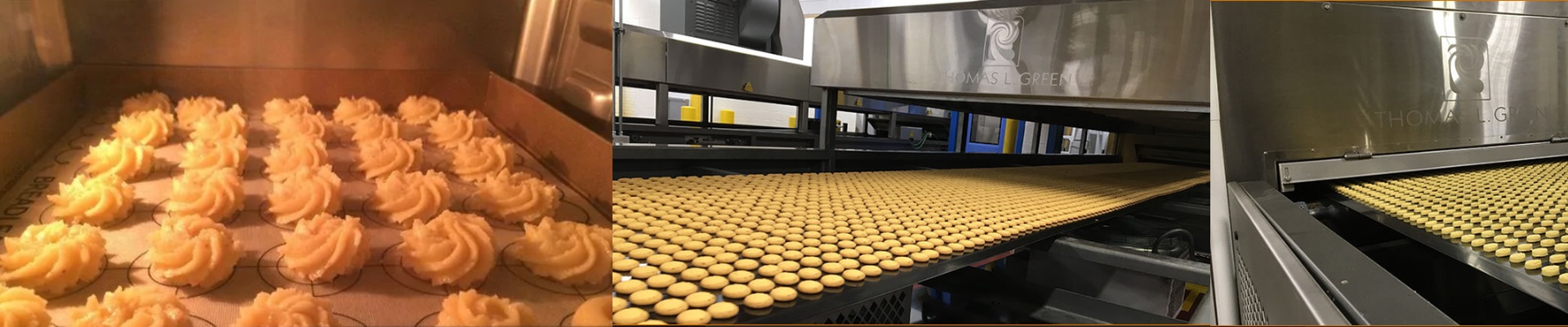
Take high-difficulty baking, for example. Temperature isn’t just one setting. It’s a whole sequence of steps. You need a heater that can switch on and off with absolute precision. This bulb gives you that control, so you can hit each temperature plateau quickly and cleanly. The payoff? A process that’s repeatable, with tighter control. You can run complex thermal curves without the guesswork, and the bulb is built to last, even under constant cycling. This is heat, engineered for the real demands of the job.