Why we swapped resistance wires for frosted quartz
Most industrial pizza ovens do things the old-fashioned way. They use those traditional resistive heating wires that basically just heat up the air, and then the air—hopefully—heats up your pizza. It’s slow. It’s clunky. And honestly, you’re losing a massive amount of heat before it ever touches the dough. We decided to ditch that. Instead, we use frosted quartz infrared tubes. It completely changes how the energy actually hits the food.
The secret is in the “frost”
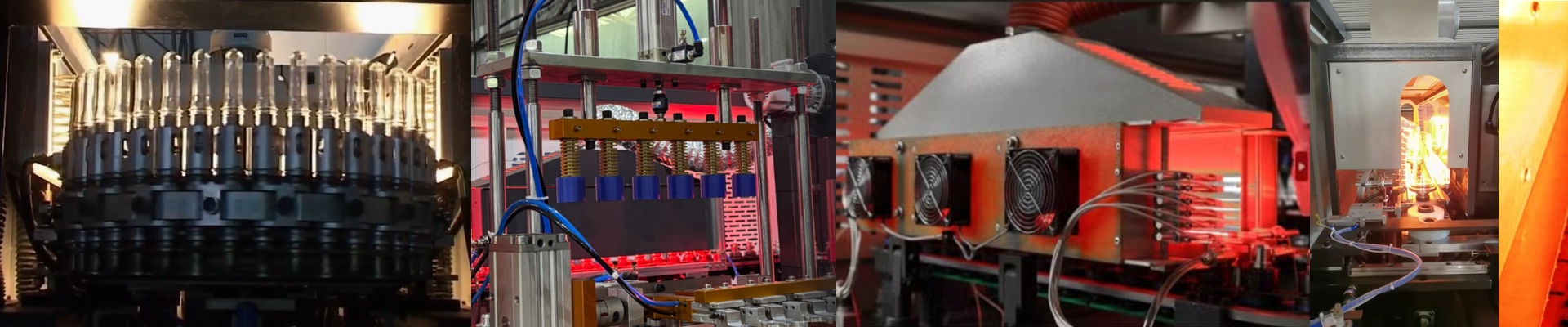
If you use a standard clear quartz tube, you get a concentrated beam of heat. In a pizza oven, that’s a nightmare. You end up with those annoying hot spots where the crust burns to a crisp while the center is still raw. To fix that, we frost the quartz envelope. This diffuses the infrared radiation, spreading the heat out evenly across the oven floor. The result? The heat goes straight into the dough via radiation. You aren’t waiting around for the entire oven cavity to warm up first. It just happens.
Saving time and power
These infrared tubes hit their operating temperature way faster than those old coils. That means your pre-heat times shrink. Plus, since the energy transfer is direct, you stop paying to heat the oven’s metal chassis and the air around it. You’re putting the power where it belongs: on the pizza. We also spec these for high wattage density. Because they’re so efficient, the heating footprint is smaller. You can actually squeeze more production capacity into the same amount of floor space.
The trade-offs (because nothing is perfect)
Now, here is the catch: quartz is glass. It’s fragile. Unlike metal coils, these tubes will crack if you whack them or if they hit a sudden, extreme temperature shock. When you’re installing them, you have to be careful. Make sure the mounting brackets aren’t putting any mechanical stress on the glass, or you’re going to have a bad day. The wiring needs to be spot on, too. If your connectors are loose, you’ll get arcing at the terminals, which just burns out the ends of the tube. Keep your connections clean and tight, and these things will last you a long time.