Stop Waiting on Your Oven to Catch Up
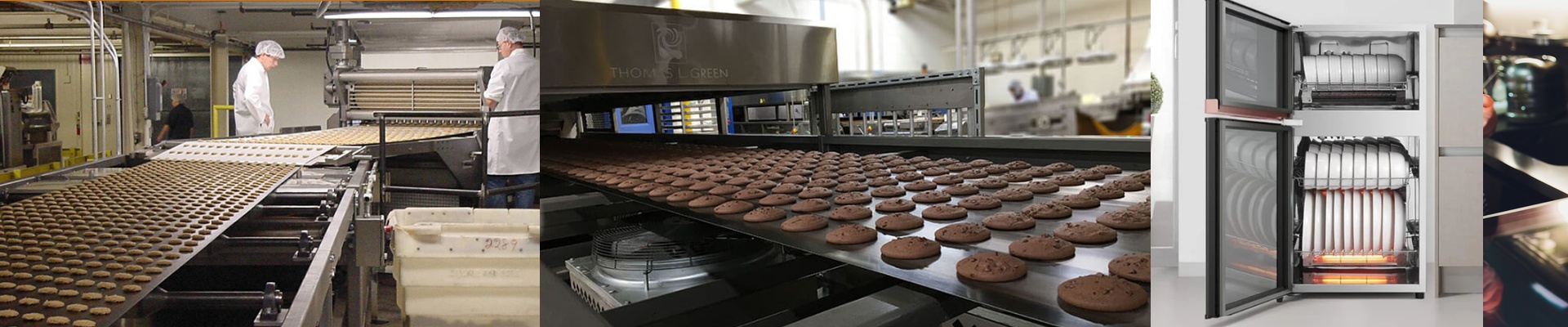
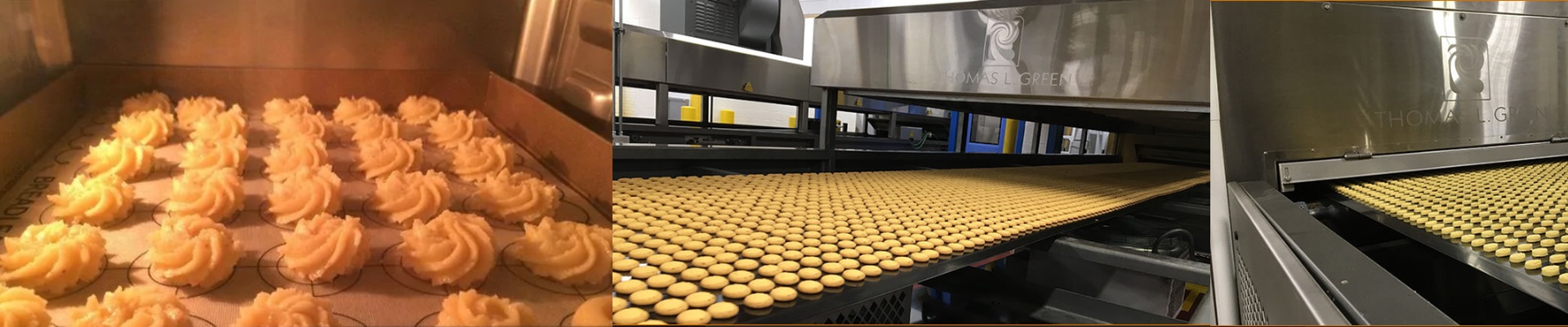
We’ve all been there. The dinner rush hits, the tickets are piling up, and your kitchen line just… stops. Usually, it’s because the oven can’t recover its heat fast enough after you’ve loaded it. Traditional heating is slow because it has to warm up the air first. It’s a drag. That’s why we use 110V shortwave infrared bulbs. Instead of waiting for the air to get hot, these bulbs shoot energy straight into the food. It’s a direct hit. You reach your target temperature way faster, which means your food gets out the door while it’s actually hot.
How the Heat Actually Works
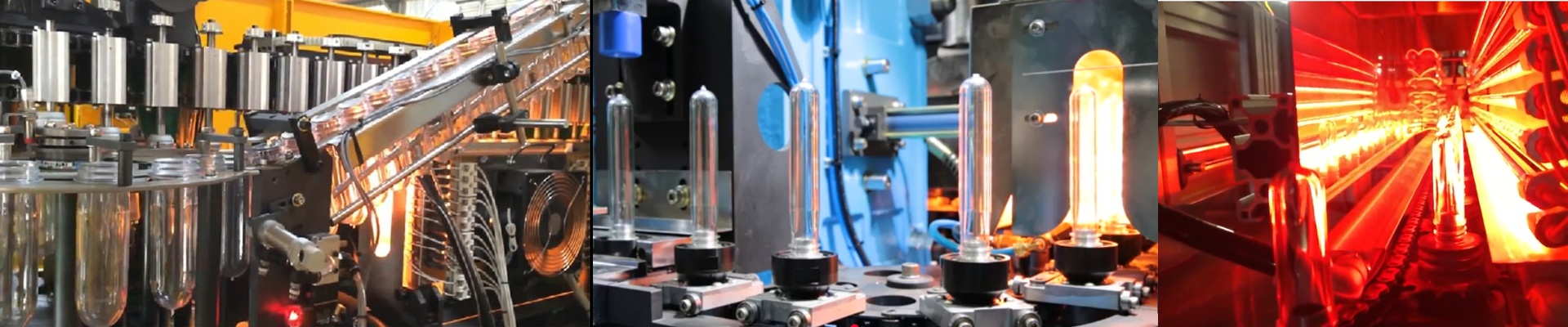
We stuck with 110V because it just makes sense for North American kitchens. You don’t have to mess around with bulky, expensive transformers. You just plug in and go. These aren’t your standard lightbulbs. They use shortwave radiation that sinks into the dough or meat almost instantly. If you’re baking bread, you’ll notice a much faster “spring.” Because we pack high wattage into a small quartz tube, the heat is incredibly concentrated. You can ramp up the temperature in seconds. It keeps your rhythm steady, even when the dining room is packed.
The Nitty-Gritty on the Build
To handle the intense heat without shattering, we use high-purity quartz. Most of our bulbs also use a halogen cycle. Basically, this stops the filament from wearing out too quickly, so you aren’t replacing bulbs every other week. Depending on your setup, you can use standard R7s or our snap-in connectors. They’re designed to be swapped out quickly so you aren’t staring at a broken oven during a shift. **One big warning, though:**Quartz is finicky. Never touch the glass with your bare hands. The oils from your skin create “hot spots” on the glass, and that’s how the tubes crack. Use a clean cloth or gloves.
The Trade-offs
Look, this kind of heat is aggressive. When you’re hitting food with shortwave IR, things happen fast. If your rack is too close to the bulb, you’ll char the surface before the inside is even warm. You’ll need to play around with your rack height to find that sweet spot where the crust looks perfect and the center is fully cooked. Also, keep in mind that if you’re running these at full blast 24/7, they’ll wear out faster than a basic heating element. It’s a fair trade for the speed, but just keep a few spares on the shelf.