


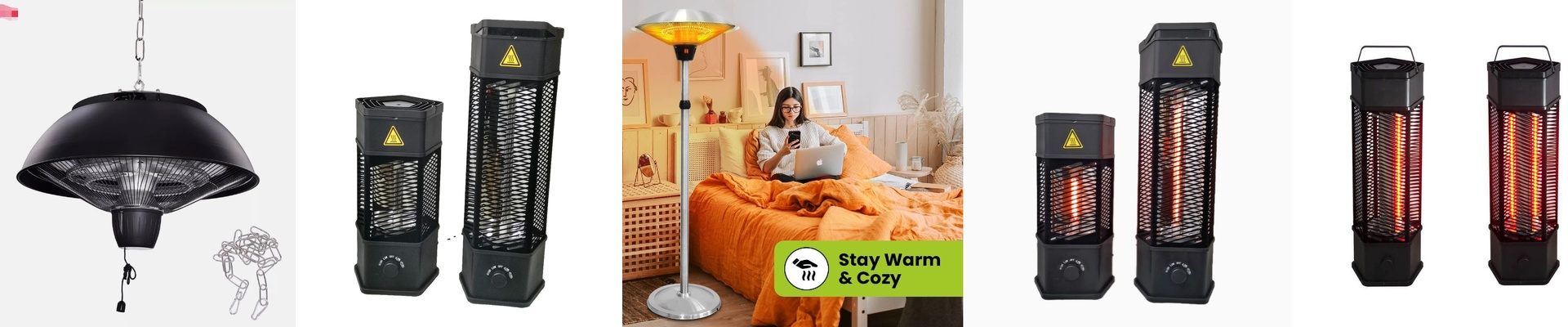

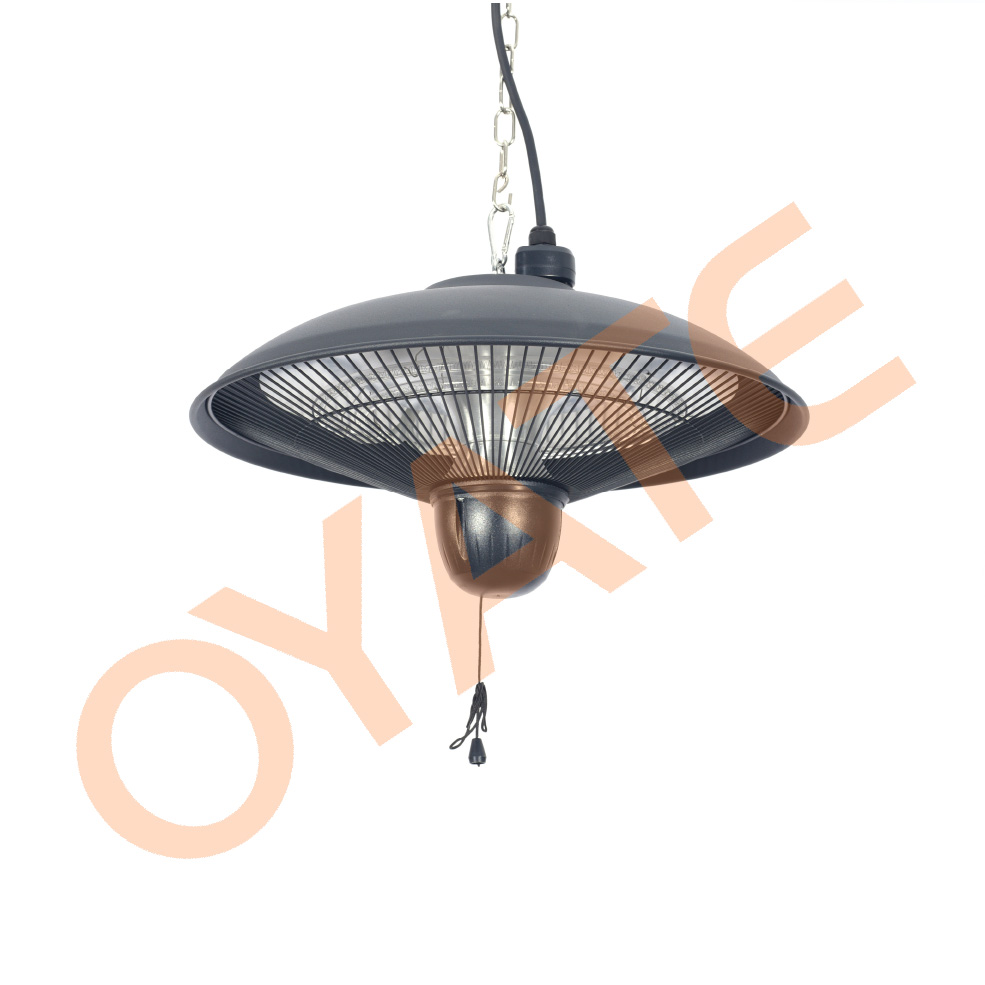
Step onto the deck after dusk and the air bites. You reach for the standing patio heater, expecting instant comfort. Instead, you get a faint buzz, a flicker, and then nothing. The infrared warmth dies because the internal lead seal failed under sustained heat. That’s the quiet failure most outdoor electric heaters hide—until it happens to you.
What matters technically
A standing patio heater is more than a bulb and a reflector. It’s a thermal circuit where the power lead meets a quartz tube or carbon fiber element that runs hot, day after day. We use a dual-layer, high-temperature silicone lead seal rated for continuous exposure above 200°C, paired with a ceramic insulating bushing and a strain-relief anchor. The joint is compression-crimped, not just soldered, so the conductor stays aligned and the insulation can’t pull away. Add IP55-level sealing around the entry point and you get a path that resists moisture ingress, dust, and thermal cycling—conditions that quietly chew up ordinary junctions.
Why it works in practice
Outdoor infrared heating is about radiant heat, not warm air. You want your shoulders and legs warm within seconds, without waiting for a compressor or a bulky convector to spin up. That immediate response only happens when the electrical connection stays stable while the element cycles on and off. When the lead seal holds, the heater delivers consistent output over seasons, and the thermostat and tip-over protection function as intended. The payoff is fewer mid-evening shutdowns, less frequent replacement, and the confidence to extend outdoor living time—whether it’s a quiet weeknight or a weekend gathering.
Things to know
This level of sealing adds a bit of bulk at the base joint, so clearance around the power cord matters. Plan for a clean, dry mounting spot with stable footing, and don’t coil the cord during operation—heat can build at the plug end. Also, infrared heat is directional; position the unit to favor the seating area and you’ll feel the warmth faster, without chasing the heater around the deck.