Stop Fighting Heat Fluctuations on Your SIPA Rotary
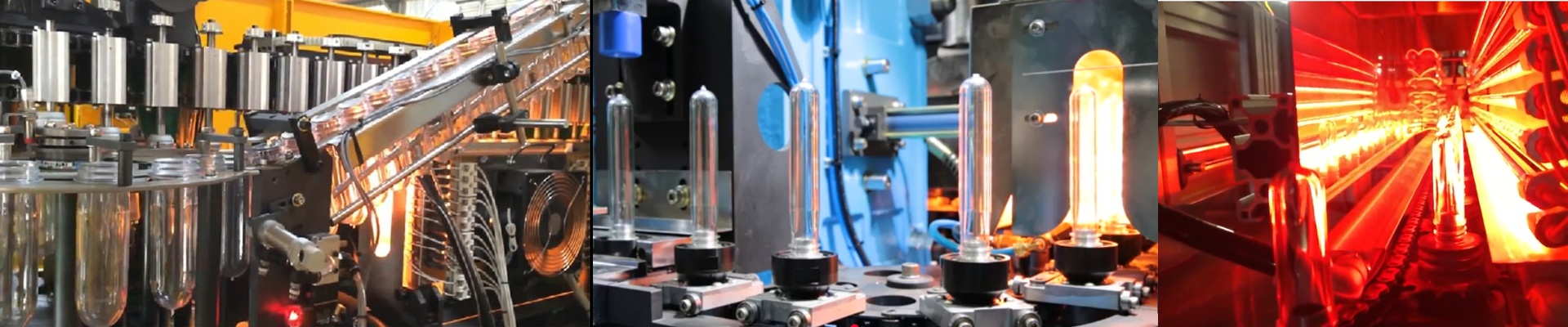
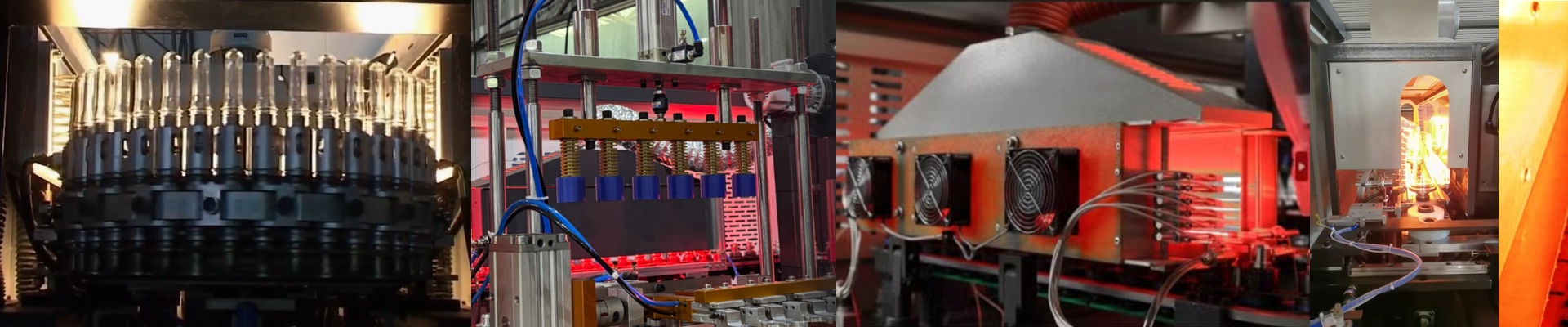
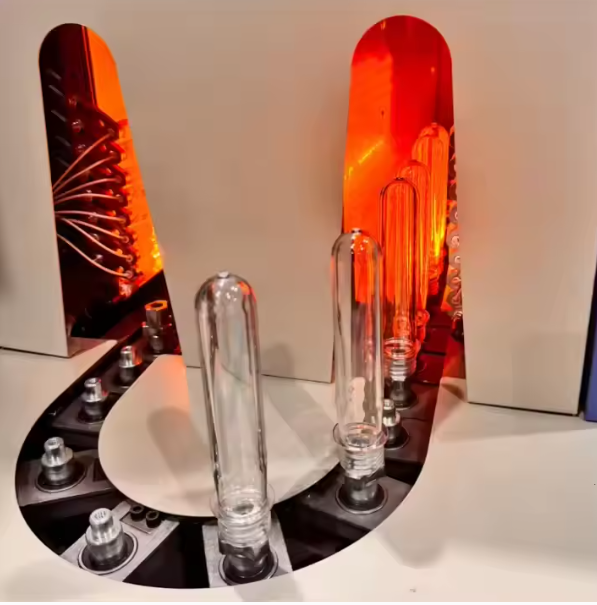
If you’re running a SIPA rotary machine, you know the headache of uneven heating. One minute everything is fine, and the next, you’re staring at wall thickness variations and bottles that just won’t hold. Usually, the culprit is something simple: mixing lamp brands or trying to save a few bucks with “near-match” replacements. Here’s the thing. If your replacement lamp isn’t a 100% match for the original wattage and voltage, you’re asking for trouble. You end up with hot spots and cold zones in the oven that drive you crazy. Why power matching actually matters We build our IR lamps to be true drop-in replacements. They mirror the OEM power curve exactly. Why? Because even a tiny 5% difference in wattage messes with the infrared emission profile. When that happens, your machine controller starts “hunting” for the set point. It can’t find a balance, and that’s exactly why you see those annoying fluctuations on the shop floor. We obsess over the voltage and wattage so the heat stays steady across the entire length of the preform. The gritty details: Quartz and Connectors We use high-purity quartz glass because these lamps take a beating. They have to handle the thermal shock of rapid cycling without cracking. And we don’t cut corners on the connectors. Whether it’s R7s or SK15, we make sure they fit tight. A loose connection at the socket creates resistance, which leads to overheating at the terminals. That’s a fast track to a premature burnout. A few real-world tips These lamps give you the high heat density you need to keep cycle times fast. It feels stable. It just works. But a word of caution: if you push these lamps to their max rated wattage, your oven’s cooling blowers have to work harder. If your cooling system is clogged or just too small, you might overheat your reflectors. Keep your airflow clear to make the lamps last longer. And once you’ve wired them up, grab a calibrated pyrometer and double-check the surface temperature. Better safe than sorry.