Stop the Temperature Rollercoaster in Your SIPA Rotary Systems
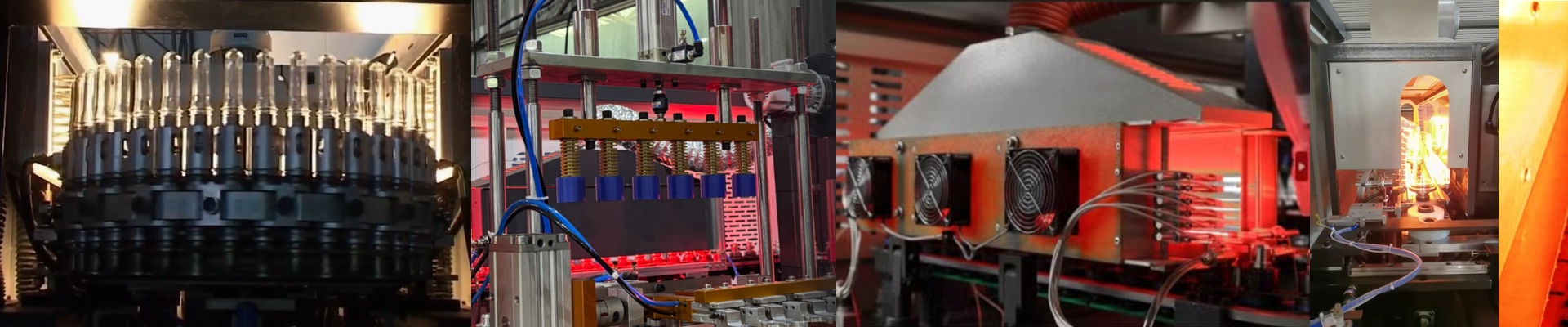
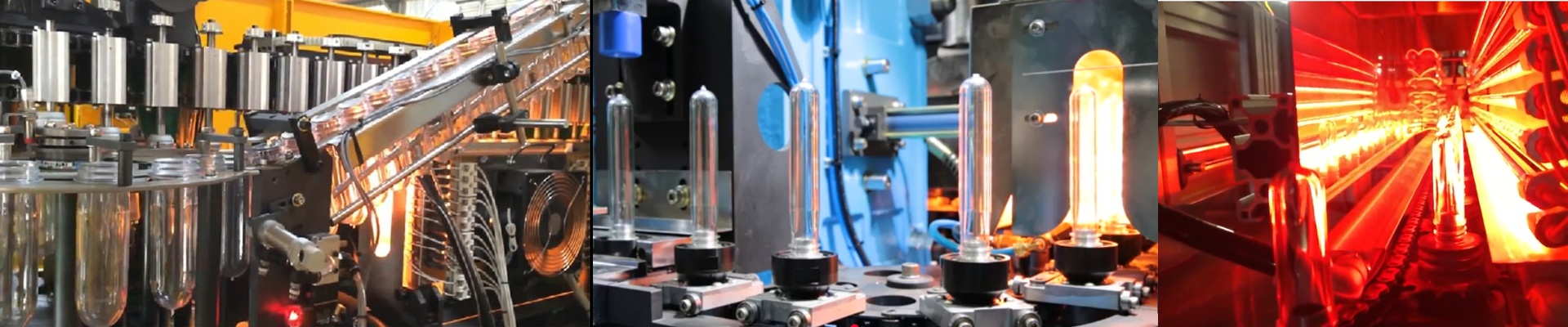
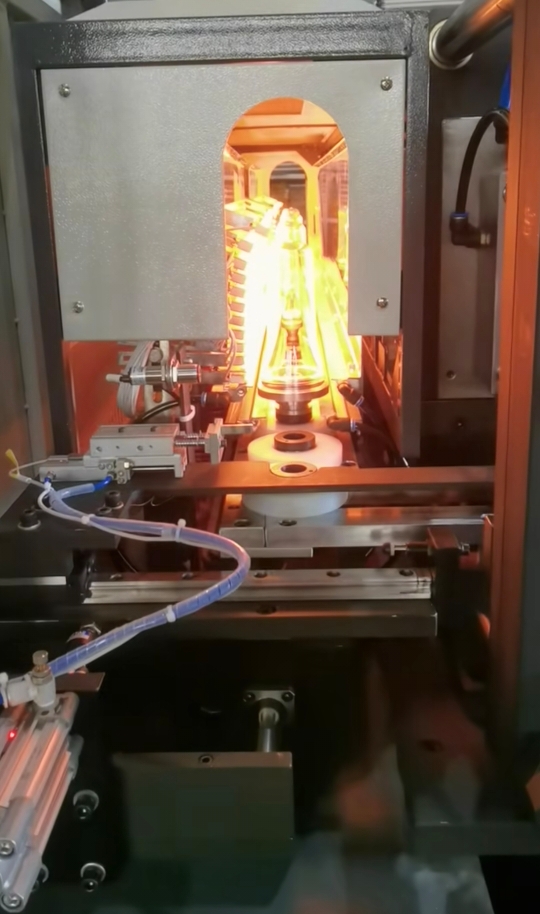
Ever feel like you’re fighting a losing battle with your PET bottles? You see those wall thickness variations or, worse, a batch of failed bottles, and your first instinct is to dive into the PID tuning. But here’s the thing: the problem usually isn’t the machine’s brain. It’s the bulbs. When you mix and match infrared lamps with different wattages or spectral outputs, you create “cold spots.” No amount of software tweaking can fix a physical gap in heat. It just doesn’t work. The secret is in the match. We build our SIPA-compatible lamps to hit the OEM power specs exactly. If your machine wants a specific high-output shortwave halogen tube, giving it a generic replacement with a 5% or 10% variance throws the whole oven out of whack. We make sure every single lamp in the bank hits the same temperature ramp. When the power matches, the plastic stays at a uniform viscosity. Everything just… flows. No fancy wiring, no headaches. Our tubes use heavy-wall quartz and special coatings. Instead of letting heat bleed out into the oven walls, the radiation is pushed exactly where it needs to go: the preform. And the best part? They’re a total drop-in. We use standard R7s or Sk15 connectors, so you just pull the old tube and plug these in. Done. One quick warning, though. These lamps are powerful. They cut your cycle times down, but they’re hard on your reflectors. If your reflectors are pitted or oxidized, the heat won’t reach the plastic. You’ll be tempted to just crank up the voltage to compensate.**Don’t do it.**You’ll just fry the filament and kill the lamp early. Keep it simple, keep it clean. When your lamps are consistent, your power supplies can finally relax. The current draw stays stable, which means fewer tripped breakers and contactors that actually last. Just one last tip: keep the tubes spotless. Even a single fingerprint on that quartz can create a hot spot that cracks the glass. A quick, clean wipe is all it takes to keep things running smooth.