Stop Waiting on Your Oven: Why Custom IR is the Way to Go
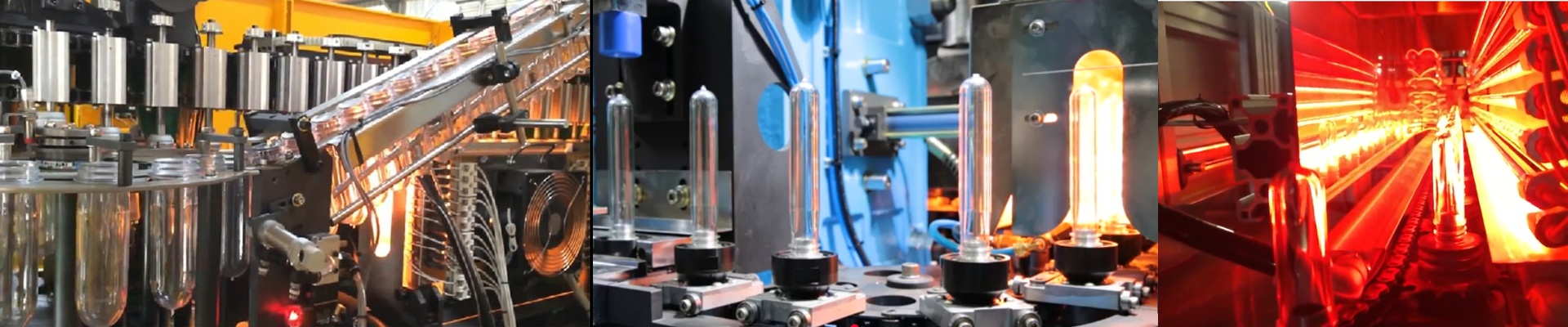
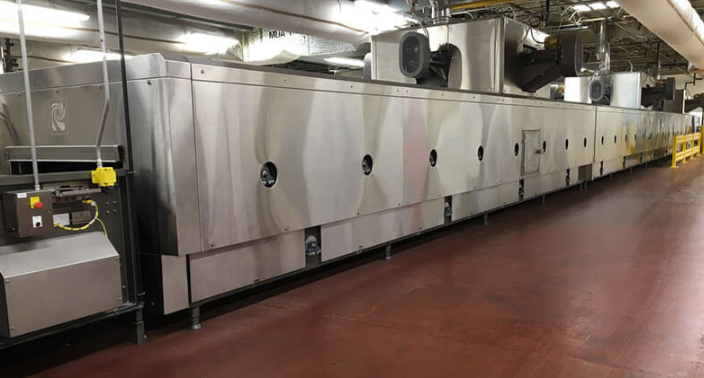
If you’re using a standard convection oven, you’re basically heating up air and hoping it transfers to your part fast enough. The problem? Air is slow. There’s this annoying thermal lag that just sits there, eating away at your takt time. If you’re trying to speed up your line, that lag is exactly what’s holding you back. That’s where custom infrared (IR) modules come in. Instead of heating the room, you’re hitting the workpiece directly. It’s a completely different feel.
Forget “Off-the-Shelf”
Most standard heaters leave gaps. You get hot spots here, cold spots there, and a thermal profile that looks like a mountain range. We do things differently. We build IR modules that actually fit the footprint of your parts. Plus, we can tweak the wavelength. Need a quick surface flash-off? Shortwave. Need the heat to sink deeper into the material? Medium-wave. You get total control over how the heat enters the part, which means you can stop wasting time with long soak periods.
Getting the Heat Right
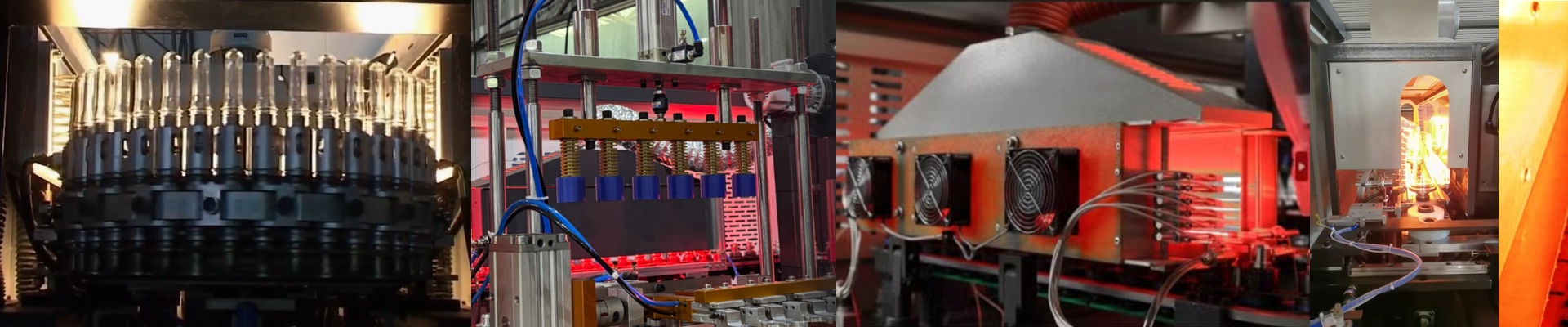
We dial in the voltage and wattage so you get a punch of heat without scorching your substrate. If you use high-wattage quartz tubes, you’re looking at operating temperatures in seconds. Not minutes. Seconds. But here’s the catch: high heat density puts a lot of stress on your reflectors. If you’re using cheap aluminum or something subpar, a huge chunk of that energy just bounces off into the oven walls. You want gold-plated or high-grade aluminum if you actually want that heat to go where it belongs.
Making it Work in the Real World
Nobody wants to spend a weekend rewiring a control cabinet. That’s why we use standardized connectors. You can basically drop these in and get moving. One thing to keep in mind, though: when you speed up the heating, everything else has to keep up. If you’re doubling your reheating speed, your cooling stage is going to feel the pressure. Check your downstream fans. If they aren’t spec’d for the higher part temperatures, you’ll start seeing warping or deformation before the part even hits the next station.