
Stop Throwing Away Your Heaters: A Better Way to Handle Maintenance
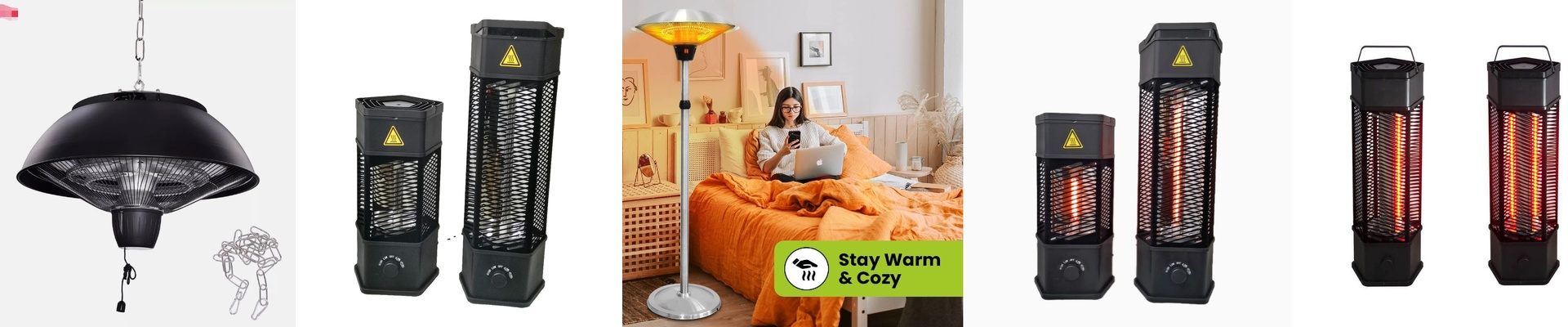
Here is the problem with most IP55 infrared heaters: they’re built like tanks to keep the dust and rain out, but they’re a total nightmare to fix. Usually, these things are sealed shut. So, five years down the road, when a heating element finally gives up the ghost, you’re stuck. You either have to spend half a day tearing the entire housing apart or—more likely—just toss the whole unit in the scrap heap. It’s frustrating and, honestly, a waste of money. We decided to do things differently. Instead of burying the heating elements deep inside the frame where you can’t reach them, we went with a slide-in design. You don’t have to strip the whole casing just to swap a tube. We added dedicated service ports, so you can get right to the element. It turns a grueling, hours-long chore into a job that takes a few minutes. Now, keeping things waterproof (that IP55 rating) usually means heavy gaskets and stiff fittings. That can make a unit feel clunky. To fix that, we used reinforced brackets. This means when you slide a new tube in, it clicks right into the electrical contacts. No warping, no fighting with the frame, just a clean fit. What this looks like in the real world: Imagine your heater has been sitting in salty sea air or heavy humidity for years. A tube pops. Instead of calling in a specialist or rewiring a main board, you just pop the retainer, pull out the dead element, and drop in a fresh one. No soldering required. Just one quick tip: make sure your replacement tube matches the original wattage and voltage. If you try to “upgrade” to a higher-wattage tube, you’ll probably just trip your circuit breakers. Stick to the OEM specs, and you’re back in business. For a busy restaurant or a hotel patio, that’s the difference between a warm customer and a lost table.