Getting Your Tableware Dry Without the Headache
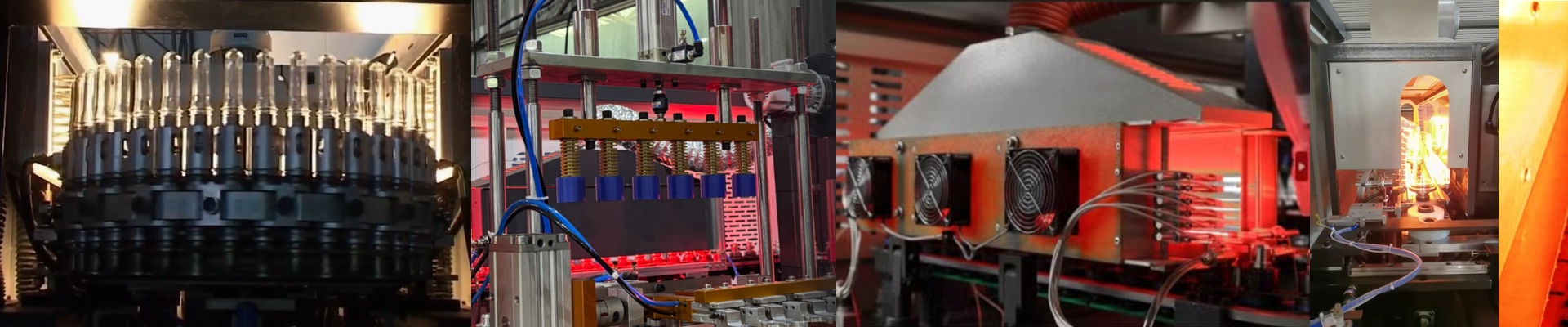
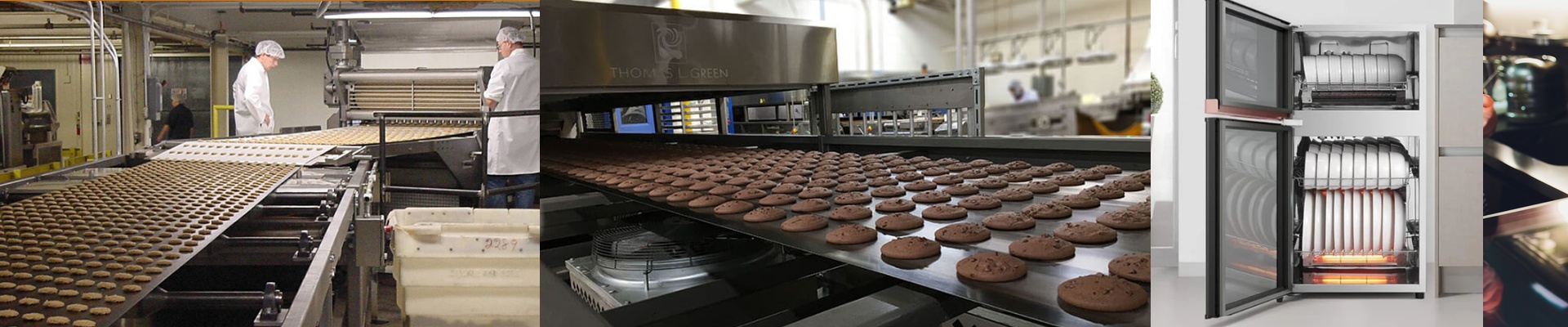
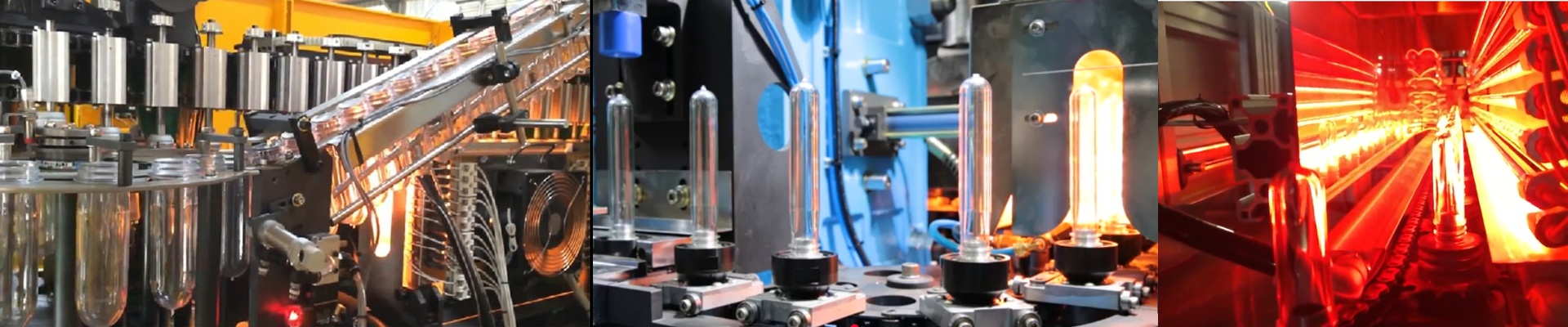
In a busy commercial kitchen, you can’t have the conveyor belt waiting on the dryer. It just doesn’t work. That’s why we use short-wave infrared lamps. Instead of trying to heat up all the air in the machine—which takes forever—these lamps shoot energy straight into the ceramic or glass. It’s direct. It’s fast. And it keeps the line moving.
Making the Heat Work for You
If you’re hooking this up to a control loop, you need a lamp that doesn’t lag. We use tubes that snap to attention the second your PLC tells them to. You hit your target temp in seconds, not minutes. The best part? Because these lamps pack so much punch, you don’t need a massive machine. You get a ton of heat in a tiny footprint, leaving you more room for everything else. But a word of caution:watch your power. Make sure your voltage and wattage actually match your supply. If they don’t, you’re looking at lamps that burn out way too early or plates that stay damp. And if you’re cranking up the wattage to speed up the line, double-check your wiring. You don’t want a contactor melting because it couldn’t handle the draw.
The Nitty-Gritty on Materials
We build these with high-purity quartz glass. Why? Because these lamps are constantly clicking on and off. Regular glass would just crack under that kind of stress. We also add specific coatings to the lamps. This helps the heat punch through the moisture on the plate rather than just warming the air around it. It’s the difference between actually drying a dish and just making the room feel warm. Plus, we use standard industrial connectors. It’s a simple drop-in replacement. There’s nothing worse than a broken lamp shutting down your whole line for hours just because the new one doesn’t fit the socket.
The Trade-off (The Part Nobody Tells You)
Here’s the thing: when you move this much heat, it doesn’t all go into the plates. Some of it bleeds into the machine’s frame. If you aren’t careful, that radiant heat will bake your electronics. You’ll need some solid insulation or a few fans to keep the control boards cool. Otherwise, your system is just going to overheat and trip, and you’re right back to square one.