
Stop the Bathroom Mold Battle with a Little Bit of Light
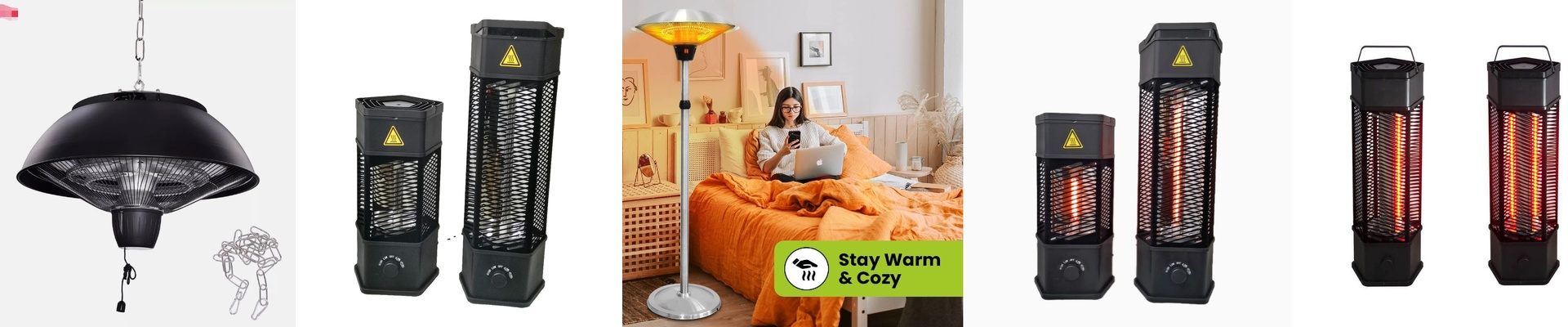
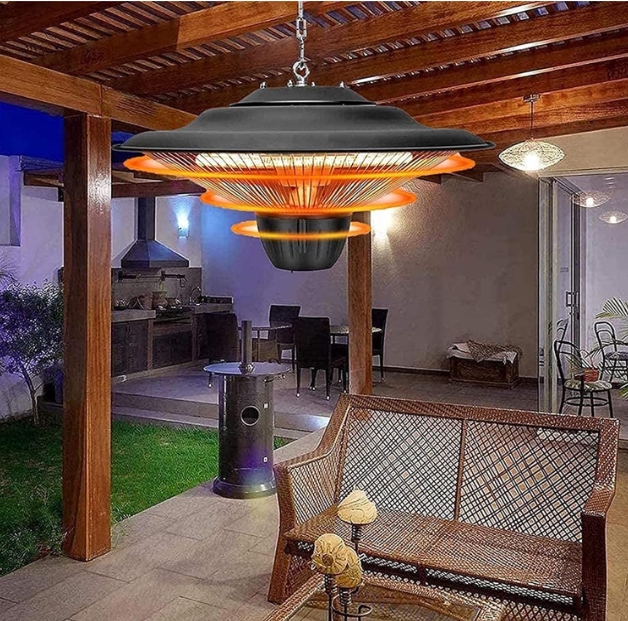
Most of us think of those ceiling heat lamps as just a way to stop the shivers when you step out of the shower. But if you look at it from a technical side, it’s actually a pretty clever way to kill off mold before it even starts. It’s not just about feeling cozy. It’s about managing moisture. **Here is the secret:**We use short-wave infrared light to go after the dampness on your walls and ceilings. Think about how a normal space heater works—it just warms up the air. Infrared is different. It punches through the surface of your walls and keeps them warm. When your walls stay warm, water can’t settle and turn into those annoying little droplets. And if there’s no dampness, mold spores have nothing to hold onto. They just can’t get a grip. Of course, putting high-heat lamps in a room full of steam is a bit of a challenge. To keep things safe, we use quartz glass and heavy-duty sealed connectors so moisture doesn’t leak into the electronics. We aim for a high-intensity blast to dry everything out fast. It’s almost instant. But because it gets so hot, the housing has to be built like a tank to handle the heat. One thing to keep in mind: if your bathroom has zero ventilation, the air will still feel humid. The lamp isn’t a magic wand for the whole room—it just stops the mold from growing on the surfaces it can actually “see.” The best part? You don’t need a bulky, humming dehumidifier taking up floor space. These units just pop right into your existing ceiling light fixtures. Just a heads-up on the setup: make sure your wiring can handle the initial power surge when the lamps kick on. And please, do me a favor and check the seals every six months. If a seal leaks and water hits that hot quartz glass, the tube will crack. Also, keep the glass clean. A layer of dust might seem harmless, but it actually blocks the heat and makes the whole thing less effective.