
Integrating Infrared Heaters with Smart Systems: How Waterproof Coops Get Instant Winter-to-Spring Climate Control
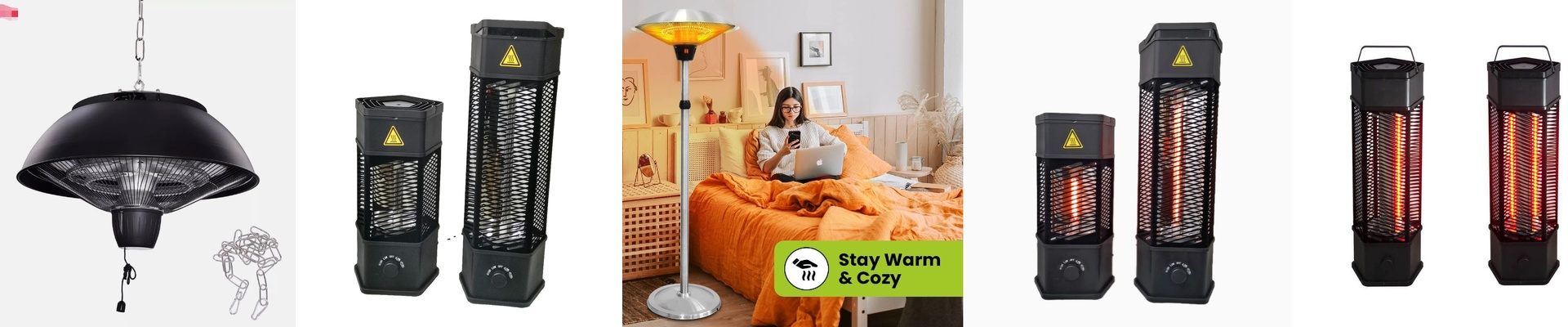
We built our waterproof chicken coop heater as a tough infrared unit that does two things at once: it throws off serious heat, and it plays nice with your smart home. The whole point? Give you one-touch, remote control so you can flip a freezing coop into a warm, steady space in seconds.
Power, Voltage, and the Specs That Actually Matter
At the heart of this heater is an infrared lamp built for real-world, heavy-duty use. It’s engineered to deliver fast radiant heat without tripping your circuit. The power and voltage are chosen to pack a lot of heat into a small footprint. That’s great for tight spaces, but it also means your electrical setup needs to be properly rated. If you’re running longer lines, the 400V option helps keep the voltage steady and cuts down on voltage drop. And the tube stays compact so it fits in snug enclosures, while still sending heat where you need it. This isn’t a gentle space heater. It’s a focused heat source built to warm animals and equipment fast.
What It’s Made Of: Quartz, Halogen, and Smart Connector Choices
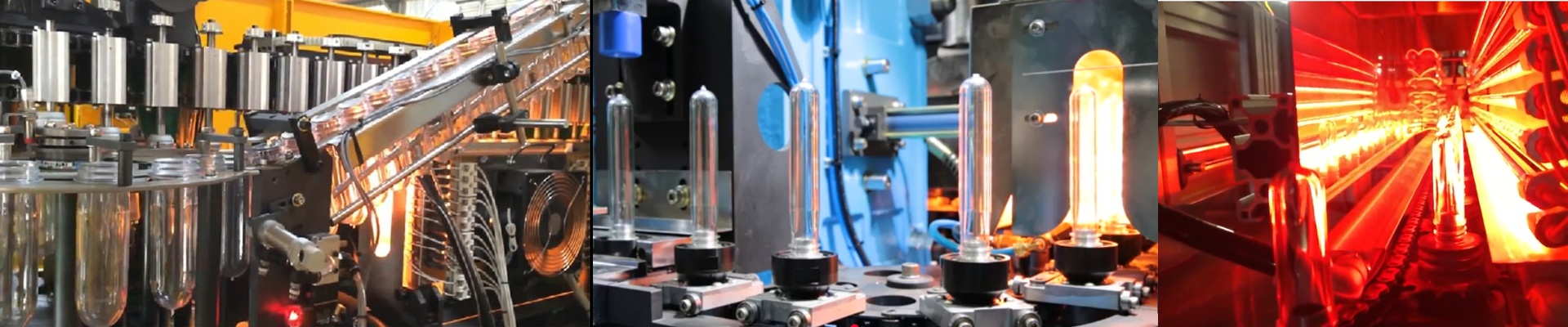
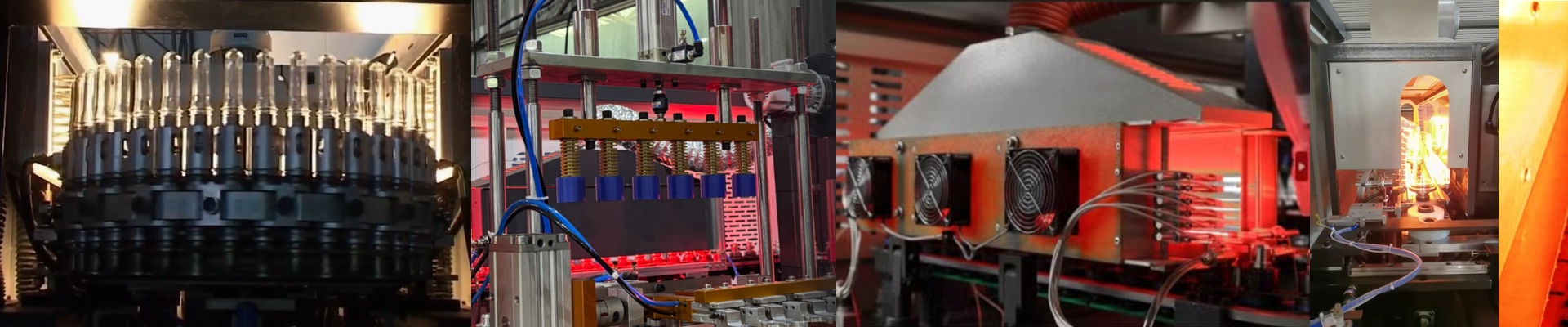
We use a quartz tube with a halogen fill to keep the filament temperature stable and the output consistent. That internal chemistry helps prevent hot spots and stretches filament life. Just know this: because it runs hotter, it needs careful mounting and proper clearance. The waterproof build comes down to sealed junctions and a rugged housing. We pair the tube with an R7s connector because it handles high current and makes the lamp a simple drop-in replacement in existing fixtures. And if you’re wiring this into a factory panel, the Sk15 termination option makes installation quicker and service easier—no re-pinning the whole system.
Real-World Use: Smart Control for Poultry Environments
In a chicken coop, the waterproof design stands up to moisture, dust, and condensation that would kill a standard lamp. When you connect it to a smart controller, you can set schedules, check the temperature, and turn heat on or off from anywhere. The payoff is climate control that just works—without you having to keep running outside. You get heat the moment the temperature dips, and you can shut it down remotely when things change. One important note: because the heat is so concentrated, you’ll need to keep the mounting distance right and make sure there’s enough ventilation so the enclosure doesn’t get too hot.