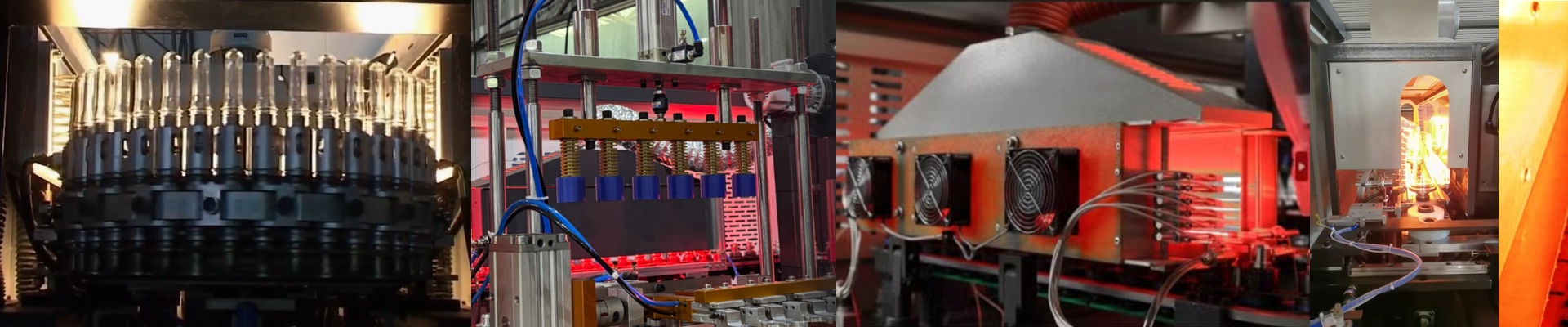
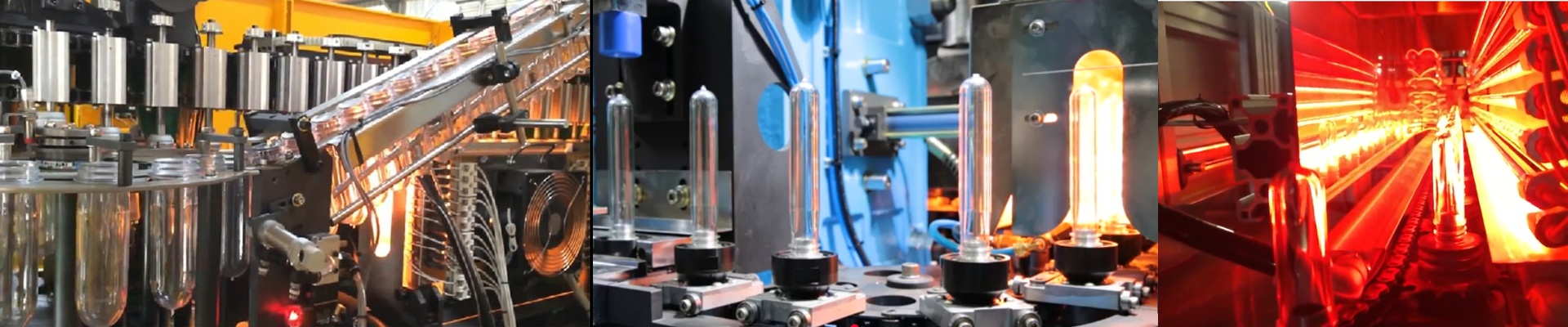
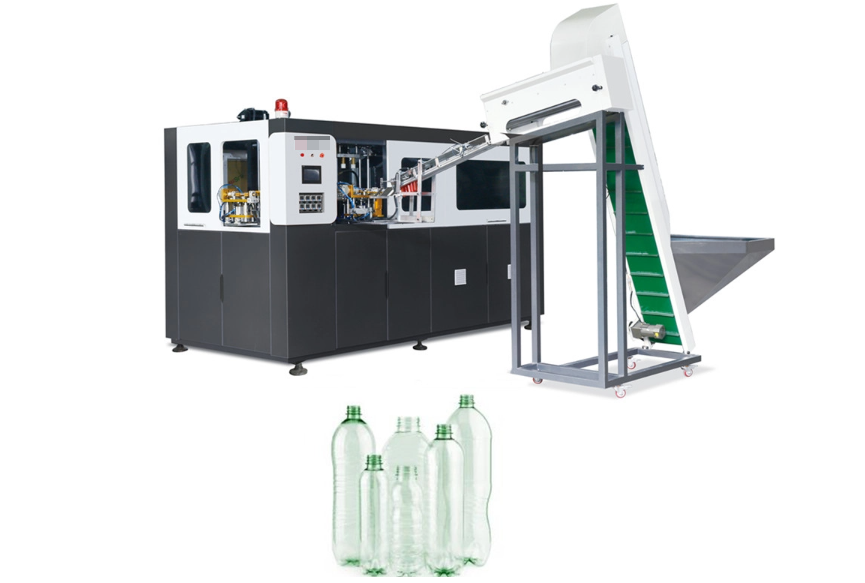
On a PC baby-bottle blow line, the heating tunnel is where the money is made—or lost. Underheat the preform and you’re staring at weak biaxial stretch and stress cracks. Overheat it, and you burn material and kill clarity. Either way, you’re down cycles and paying for it in scrap. What matters under the hood We built this heater to sit in the narrow thermal window PC needs for stretch blow molding. Short-wave quartz infrared emitters are the call—fast response, tight control in the heating tunnel. They’re matched to the voltages and power density you see on common blow molders, so you can swap them in without rewiring the machine. The R7s connector and the mounting footprint are OEM-matched, so it’s a straight drop-in. Element length and reflector geometry are spec’d to focus energy where the preform needs it—shoulder to neck—so you get even heating without hot spots. Why it holds up on the job PC baby bottles demand repeatable melt temperature and uniform wall distribution. With this heater, preforms hit set temperature faster, so the heating phase shortens without losing stability. That translates to more shots per hour and fewer rejects from understretch or haze. Energy use comes down because the emitters heat on demand and cool quickly, and the stable output keeps you from chasing temperature drift during long runs. What you need to get right It’s a direct-fit replacement, but you still have to confirm wattage, length, and mounting orientation for your blow molder. PC soaks up IR differently than PET, so the heater has to be tuned to preform geometry and line speed—run too hot and you risk yellowing. Set the profile with your existing controller, then verify with a handheld pyrometer. Do that and you’ll get repeatable heating, shift after shift.