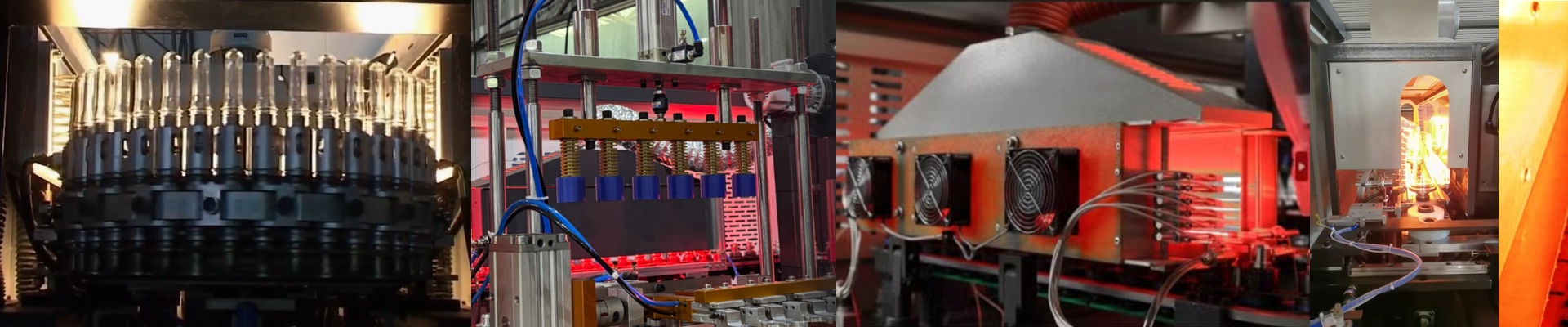
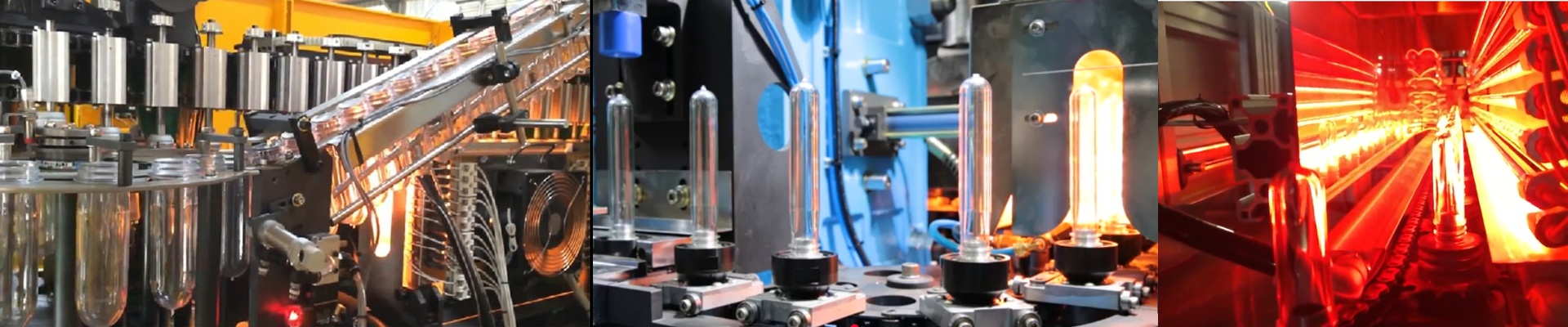
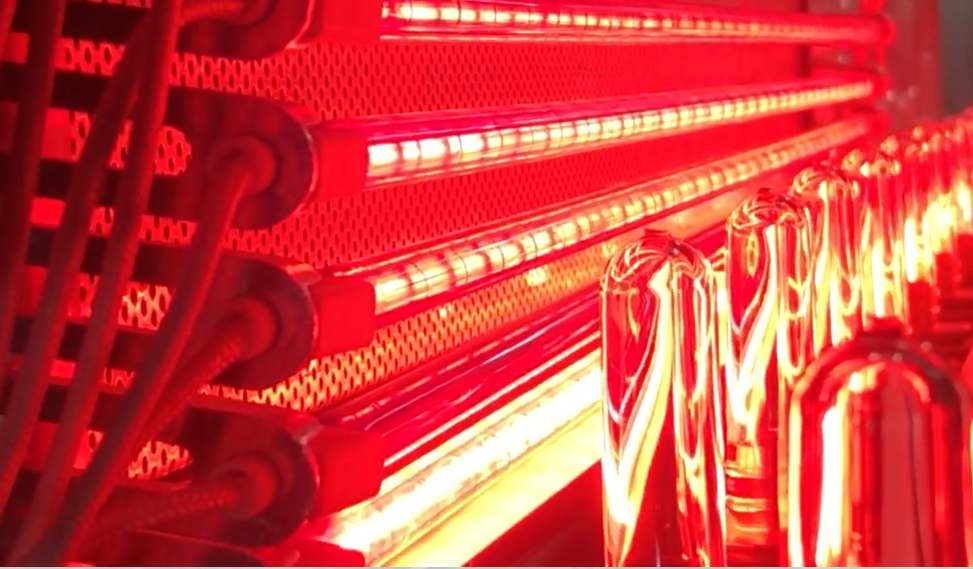
On the blow molding line, the infrared heater is only as consistent as the cable feeding it. When a halogen or quartz emitter in the heating tunnel starts cycling, preform temperature uniformity goes out the window—and you start losing good bottles. We built our silicon cable for infrared heaters to take that uncertainty out of the equation.
What matters under the hood
We start with high-purity silicone insulation and braided conductors sized to the load your infrared heater pulls. That keeps voltage drop down and holds emitter temperature steady. It stays pliable through continuous high heat, and the jacket stands up to the heat cycling that cracks cheaper leads. Termination is straightforward. We match the connector to what your blow molder actually uses—whether it’s a standard R7s base, a proprietary block terminal, or a sealed plug. Spec it by wattage, voltage, and length, and you get a drop-in fit that keeps the heating profile consistent.
Why this matters on a real line
In stretch blow molding, the preform heating window is tight. If the cable loses conductivity or fatigues under vibration, the emitter underperforms and you start seeing inconsistent wall thickness and rejects. Our cable holds steady current delivery, so the heating tunnel stays on setpoint without hunting. The payoff is fewer temperature-related defects, fewer unplanned stops, and less scrap. You also cut energy waste from resistance losses, because the conductor cross-section is properly matched to the heater load.
What you need to keep an eye on
This cable is built for high heat, but it still needs smart routing. Keep it off direct contact with hot quartz tubes and moving clamps, and avoid sharp bends right at the connector entry. If your line runs 24/7, plan inspections on the same schedule as your heater service. And match the connector type and pinout to your machine exactly—mismatched terminations are the most common cause of intermittent heating.