Why we swapped resistance wires for quartz infrared
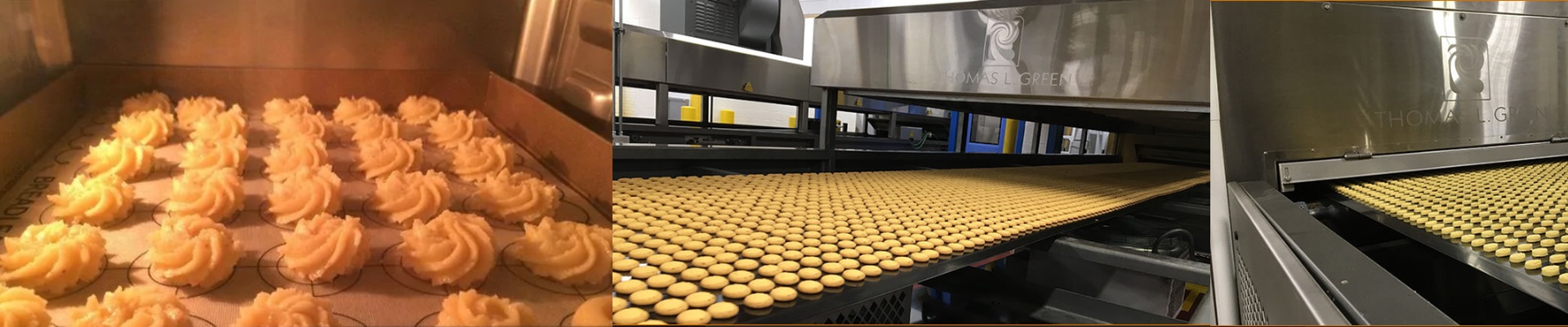
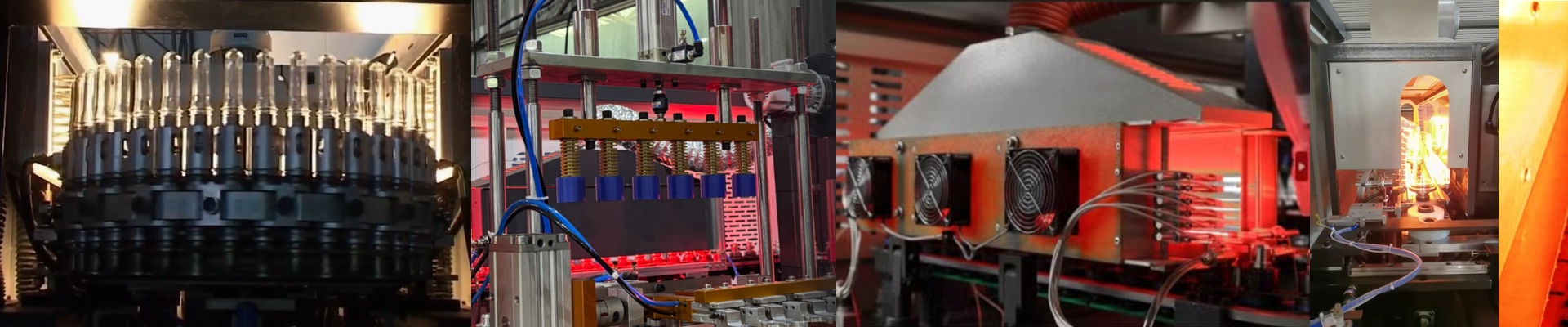
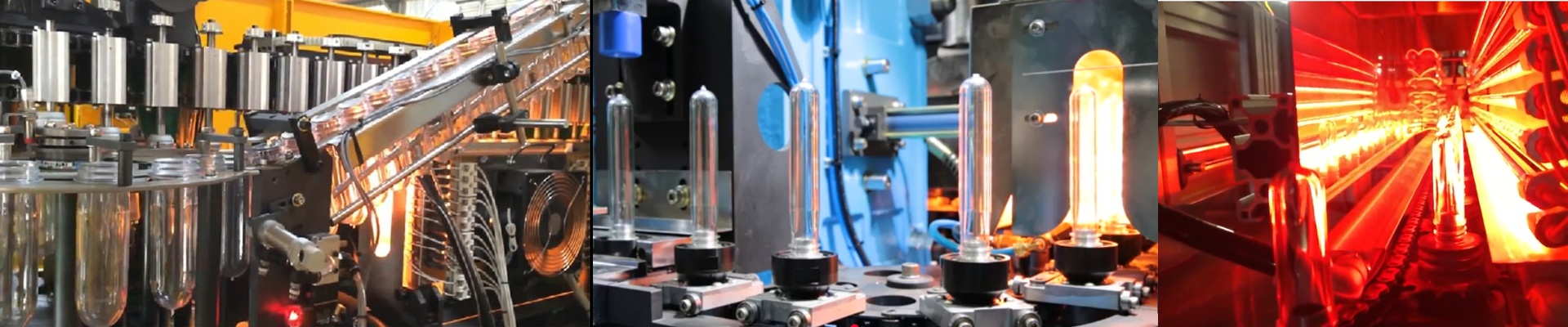
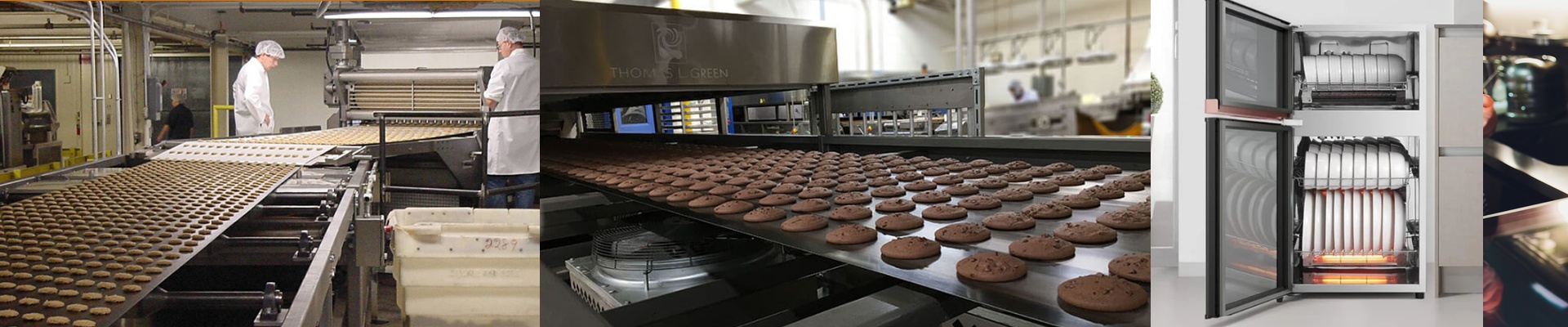
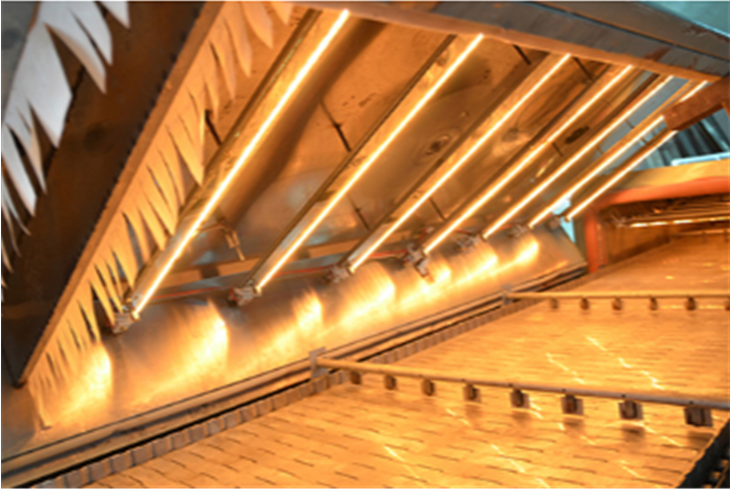
If you’ve ever used a traditional resistance wire oven, you know the drill. You turn it on and then… you wait. You’re basically paying to heat up a bunch of air and the metal walls of the oven before your actual part even feels a thing. It’s a waste of time and a waste of power. We decided to stop doing that. Instead, we started using quartz tube infrared heaters in our stainless steel convection ovens. Here’s the difference: instead of waiting for the air to get hot and slowly move around, infrared radiation hits your workpiece directly. It’s like the difference between warming up in a room with a heater and stepping into the sunlight on a cold day. You feel it instantly. The magic of the quartz tube The reason we use quartz is simple. It lets the heating element get incredibly hot without burning out or oxidizing. This creates a high-intensity light that actually sinks into the material. The ramp-up is fast. Really fast. Because the heat doesn’t have to “soak” through the air first, your cycle times drop significantly. We wrap everything in stainless steel, which does two things. It keeps the oven sturdy, and it bounces those stray infrared rays back toward your part. Plus, it keeps the heat inside the machine instead of baking your operators on the factory floor. The catch (because there’s always one) You’ll save a lot on your electric bill since the heaters hit their target in seconds, not minutes. You aren’t paying to heat the whole room anymore. But, you have to be careful. Quartz tubes are fragile. If your team is rough with the gear or if the oven shakes too much, those tubes will crack. You can’t just slap them in; you need the right mounting brackets to make sure the glass isn’t under any weird mechanical stress. Getting it onto your shop floor If you’re looking to swap out old coils for quartz arrays, it’s usually a pretty straightforward swap. But don’t just plug them in and walk away. You’ll need a PID controller. Since IR lamps react so quickly, a basic thermostat is a recipe for disaster—you’ll either burn your product to a crisp or fry the lamps. You need something that can keep up with that speed to avoid “overshooting” the temperature. One last tip: do some thermal mapping. You want to make sure you don’t have any random hot spots in the center of the oven before you go into full production.