Getting the Perfect Crust Without Overcooking the Inside
If you’ve ever used a steam oven, you know the struggle. You want that gorgeous, charred, crispy finish—the kind of browning that makes food actually taste like it was cooked—but the steam makes everything damp. It’s a fight. The moisture just sits on the surface and stops the browning from happening. To fix this, you need a heat source that hits the food instantly. You have to flash-evaporate that surface moisture and trigger the caramelization fast, before the inside of your food turns into mush.
Why we use IR (and why it actually works)
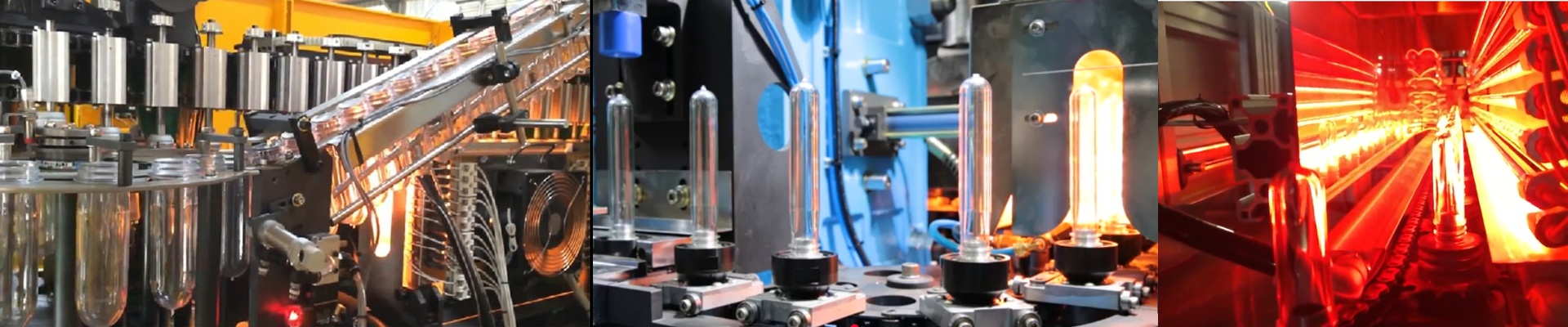
We went with shortwave infrared emitters because they don’t bother heating up the air first. They just beam energy straight into the food. Standard heating elements are slow. They take minutes to get going. These IR tubes? They hit their target temp in seconds. This gives you what I call “second-level” control. You can basically pulse the heat. You hit it hard to get that perfect color, and the second it looks right, you kill the power. No more guessing. No more burnt edges.
The Nitty-Gritty of the Build
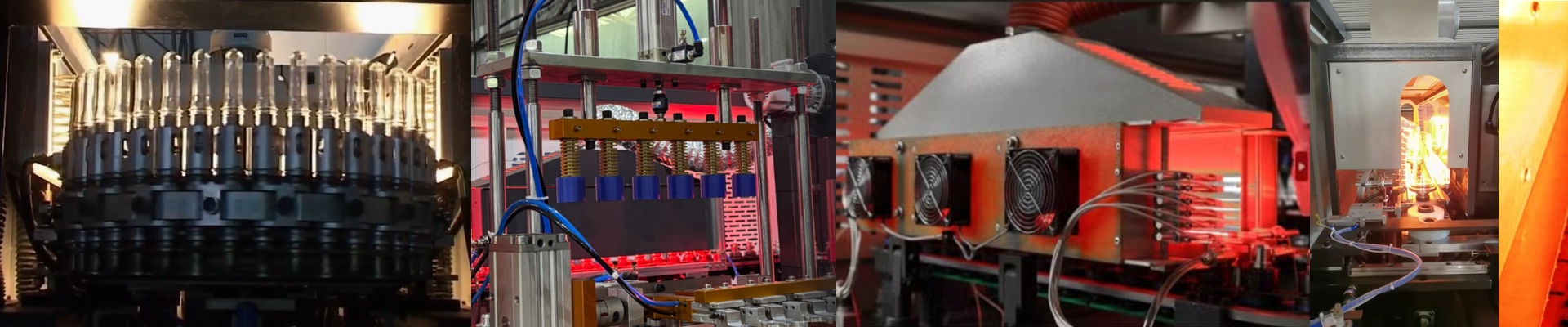
Under the hood, these are halogen-filled quartz tubes. The halogen part is key—it stops the tungsten filament from evaporating and gunking up the glass. That means the light stays clear and the heat stays consistent for thousands of hours. But a word of warning: these things put out a massive amount of energy. When you’re wiring these in, you have to be careful about power density. If your oven chassis or reflectors aren’t built for these temps, you’re going to have a problem. And for heaven’s sake, check your cooling fans. If they’re too small, you’ll end up frying your control boards.
The Balancing Act
Here’s the thing: shortwave IR is aggressive. Because the heat is so intense and starts so fast, the window between “perfectly golden” and “completely charred” is tiny. It happens in a blink. That’s why you can’t just plug these in and walk away. You need a high-frequency PID controller and a thermocouple that reacts instantly. Without that precision, the surface will scorch before the heat even has a chance to soak into the crust. It’s a delicate balance, but when it works, it’s magic.