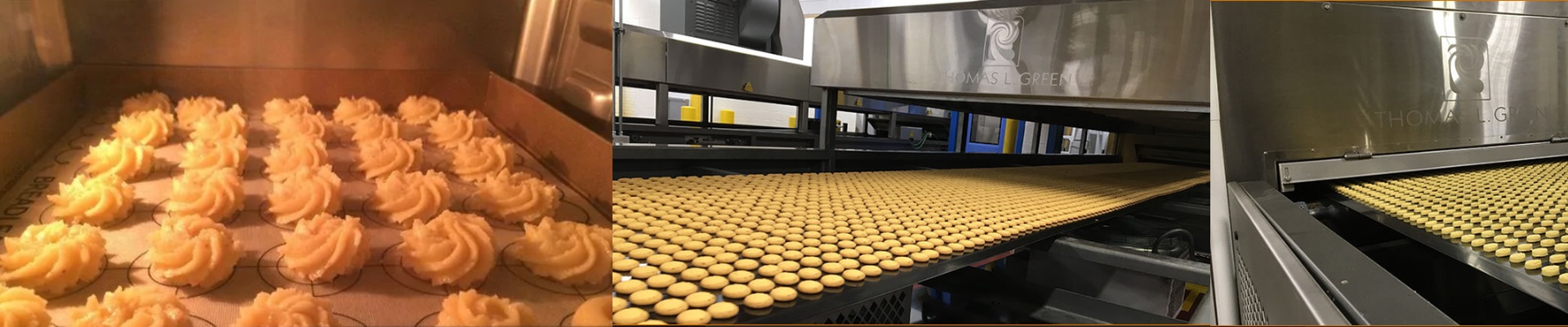
Stop Heating Your Oven Walls and Start Heating Your Bread
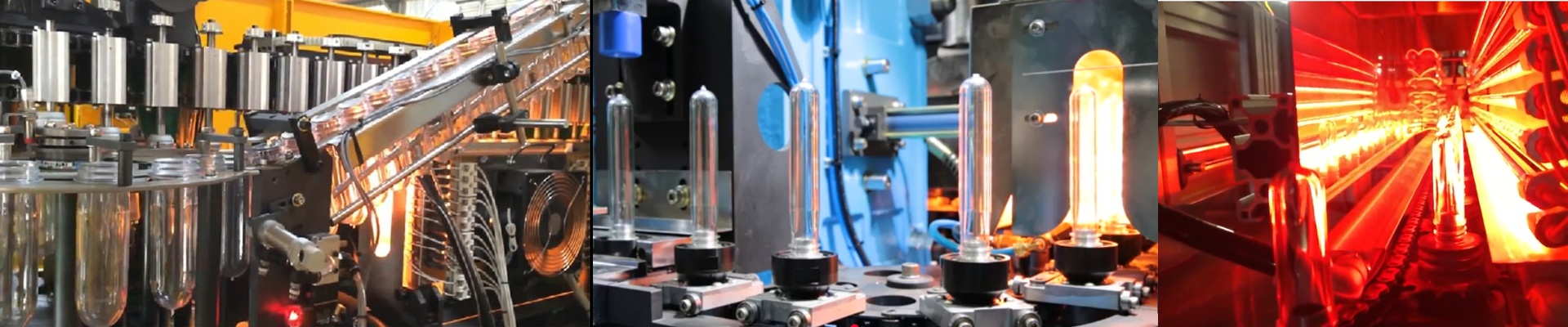
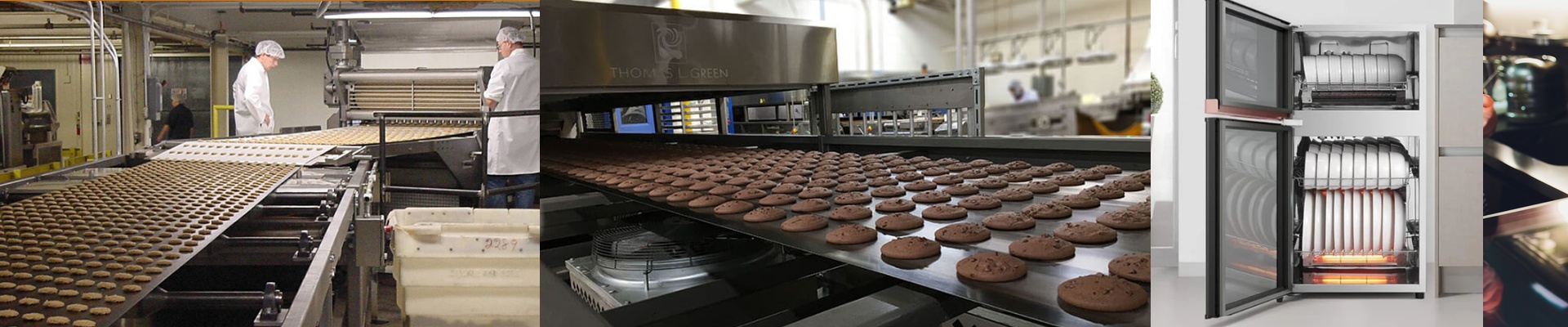
Most bakery ovens are just massive energy hogs. The problem is something called thermal inertia. In plain English? Your heating elements take forever to warm up and even longer to cool down. You’re spending money to heat up the air and the bricks, not just the dough. We fix this by using shortwave IR emitters. Instead of waiting minutes for the oven to “catch up,” these things react in seconds. It’s a total shift in how things work: you stop wasting power on the room and start putting the heat exactly where it belongs—on the product.
Why the speed matters
Think about how a normal heater works. It relies on convection, which is slow. IR is different. It uses radiation, and since that moves at the speed of light, the heat hits your dough the second the power kicks in. This solves a huge headache called “overshoot.” If you’ve ever dealt with PID loops, you know the drill: the heater stays on because the sensor hasn’t “felt” the heat yet. By the time the sensor finally says “okay, we’re hot enough,” the element is already scorching. You’ve just burned through a bunch of kilowatts for no reason. Our IR setup just stops. The moment you hit your target temperature, the power cuts. No guesswork, no wasted energy.
The “Catch” (and how to handle it)
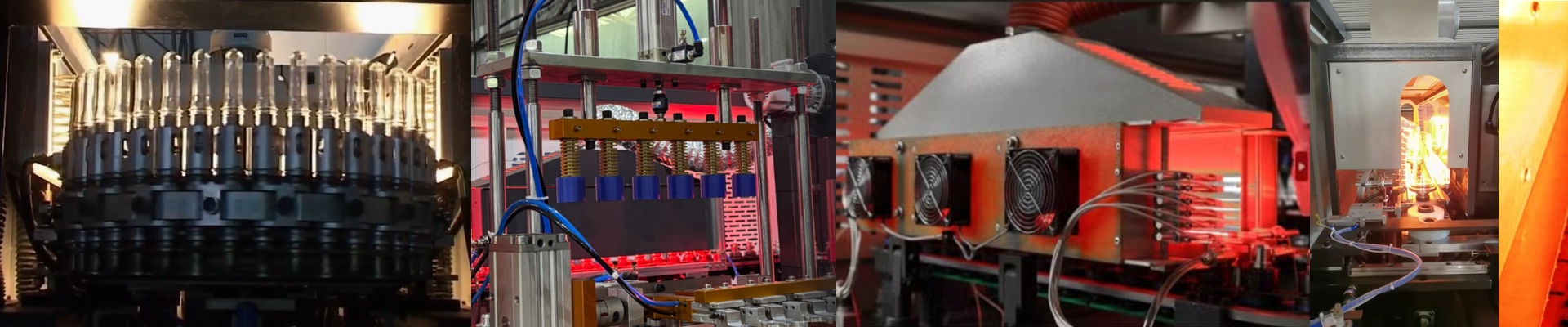
Now, you can’t just swap a bulb and call it a day. To make this work, you need a fast-switching SSR (Solid State Relay). If you try to use an old-school mechanical contactor, the constant clicking—the “chattering”—will chew through the switch in a few weeks. It’s just not built for that kind of speed. There’s one more thing: these emitters pack a massive punch in a tiny space. Because the heat is so concentrated, your reflectors have to be spot on. If they’re dirty or pitted, you’re throwing away about 20% of your efficiency because the heat is just soaking into the oven walls. Keep them polished. It’s worth the effort.
The bottom line
When your oven responds faster, it spends less time idling. You aren’t just soaking your bricks in heat; you’re targeting the crust. It’s a simpler way to bake, and it keeps your electricity bill from spiking.