



Keeping Your Bathroom Infrared Heaters from Shorting Out
Putting infrared lamps in a bathroom is a bit of a gamble. You’ve got steam everywhere and water splashing wherever it wants. If your insulation isn’t spot on, you’re looking at a ground fault or a dead heater. To get that IP66 rating—which is basically the gold standard for “waterproof enough”—we spend most of our time obsessing over where the heating element meets the power feed.
The Secret to a Tight Seal
IP66 is just a fancy way of saying the housing can handle dust and high-pressure water jets without breaking a sweat. We make this happen with silicone gaskets and reinforced cable glands. But the real danger zone is the lamp terminal. To stop moisture from sneaking into the wiring and causing a short, we use heat-shrink tubing and epoxy potting. It basically locks the connection in a waterproof tomb.
Staying Safe (and Grounded)
We use double-insulated wiring here. That way, even if the outer jacket gets nicked or worn down, the live wire stays far away from the chassis. But here is the thing: youhaveto wire these into a GFCI circuit. I’ve seen plenty of jobs where the heater was built perfectly, but the building’s grounding was a mess. It doesn’t matter how safe the heater is if the wall it’s plugged into is a hazard.
The Trade-offs
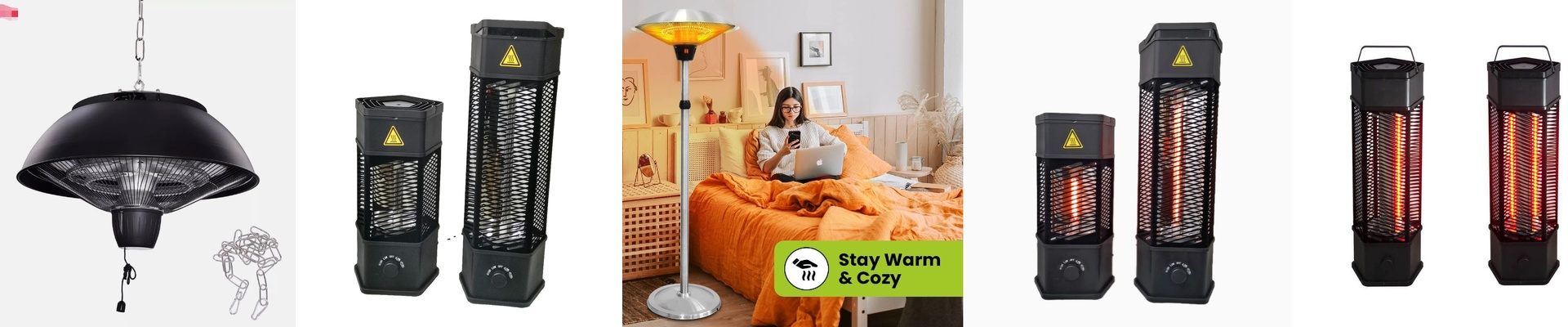
We use quartz glass for the lamps. It loves the heat, but it’s brittle. One wrong move in a cramped bathroom and it’s gone, so we wrap the elements in a protective cage. One more tip: keep an eye on your spacing. When that lamp hits high temperatures, any condensation nearby just flashes into steam. If the unit is shoved too close to a wall or ceiling, those little steam pockets can actually bake your housing seals over time. Give it some room to breathe. Your heater will last a lot longer.