
Stop Letting Your Oven Lose Its Cool (Literally)
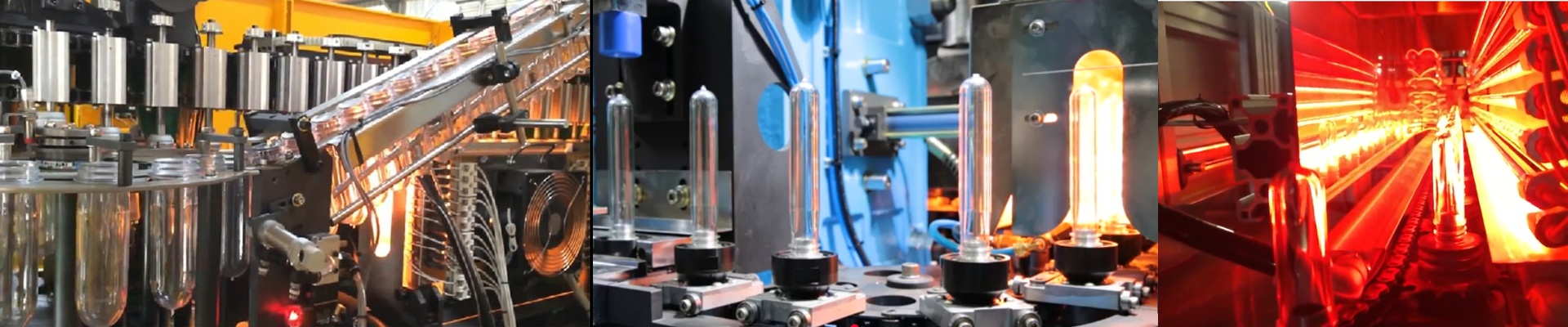
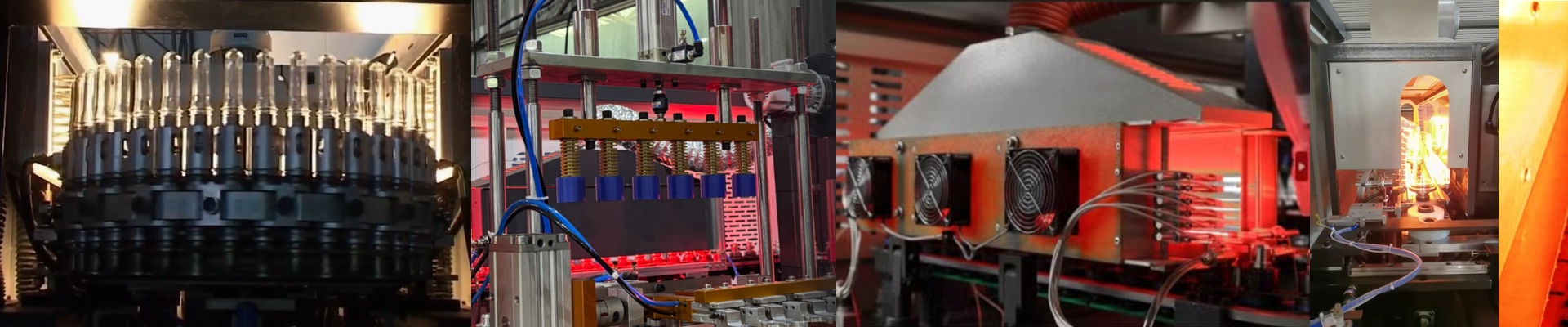
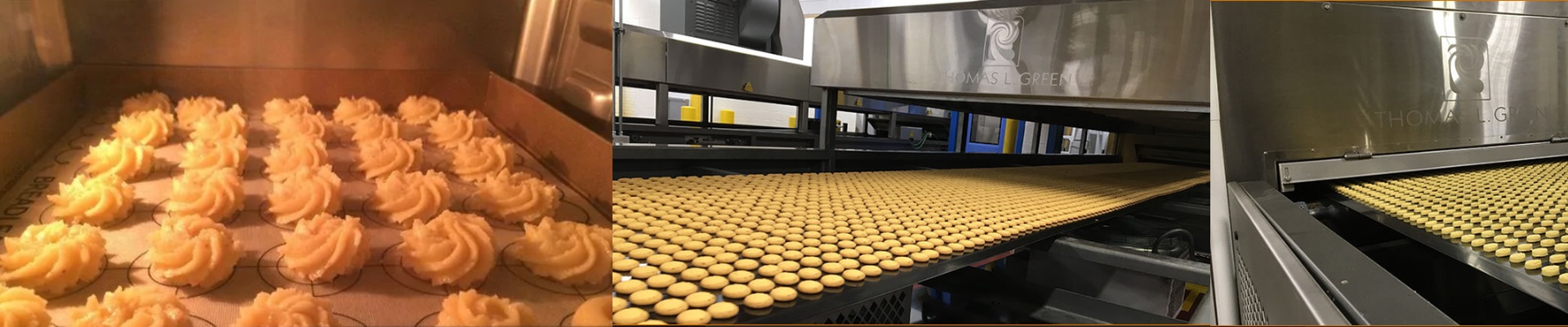
If you’ve ever worked in a busy kitchen, you know the drill. Every time you swing that oven door open or slide in a tray of cold prep, the temperature tanks. Standard heating elements are slow. They lag. By the time the oven catches up, your cook times are off and your food is uneven. We found a better way to handle this. We started adding auxiliary infrared (IR) emitters into a closed-loop system. Here is why it actually works. Most ovens rely on heating the air, but IR is different. It uses radiation. Instead of waiting for the air to warm up, the IR waves hit the food directly. The second the sensor feels a dip in temperature, the controller kicks the IR lamps into high gear. It’s like a quick burst of heat that fills the gap immediately. You get a stable core temperature without that annoying “overshoot” where the oven gets too hot trying to recover. The nitty-gritty on the gear. We stick with shortwave IR because it actually gets deep into the food. To make it work, you’ll want to wire these into a PID controller with a high-frequency SSR (Solid State Relay). This lets the lamps pulse rapidly, which is the secret to that precision. But you have to get the wattage right for the size of your oven. If you go too heavy, you’ll torch the outside of the food while the middle is still raw. Go too light, and you’re right back to square one—waiting forever for the heat to return after opening the door. A few warnings from the trenches. These emitters get incredibly hot at the terminals. Don’t even think about using plastic housings. Use ceramic insulators and high-temp wiring, or your leads will just burn out. And look, these tubes don’t last forever. They’re consumables. When you’re designing the chassis, make sure your technicians can get to them easily. Nobody wants to tear down an entire machine just to swap out one burnt-out lamp during a dinner rush.