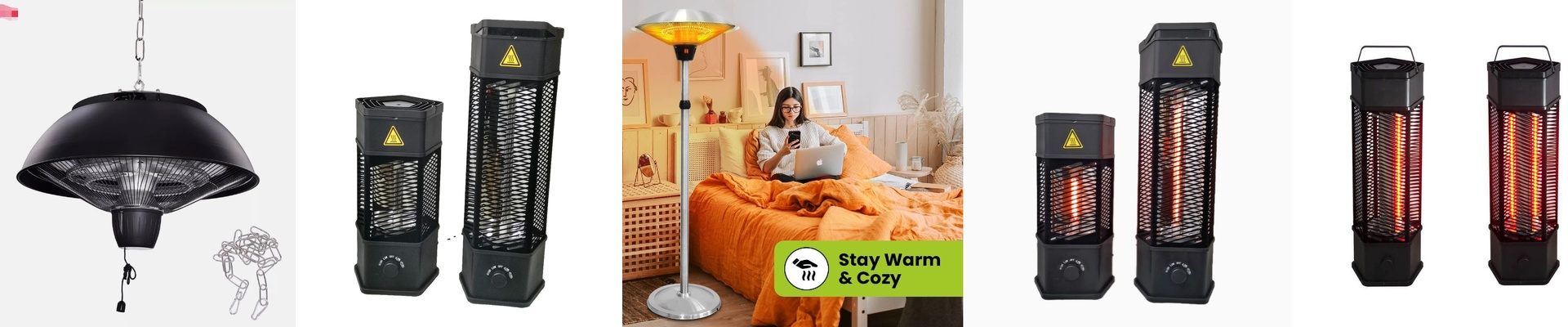


Why Your Ceiling Heater Actually Dies (and How We Fixed It)
Most people think ceiling heaters quit because the heating element just burns out. But if you’ve spent any time fixing these things, you know that’s rarely the case. The real killer? The wiring. Here’s the problem: when you’re running a high-wattage infrared lamp, that heat doesn’t just go down toward the floor. It creeps backward, right up the lead wires. If the seal where the quartz tube meets the metal is a bit sloppy, oxygen sneaks in and everything starts to degrade.
The problem with “cheap”
Budget heaters usually just slap some basic glue or low-grade silicone into that gap to plug the hole. It works for a while. But once you start turning the heater on and off, the material shrinks. It cracks. Once that seal pops, the inside of the lamp is toast. The tungsten filament oxidizes fast, and the insulation on the wires becomes brittle—almost like a dry cracker. It starts flaking off, leaving live wires exposed in a zone that’s already scorching hot. That’s a recipe for a short circuit right above your head. Not great.
How we do it differently
We decided to stop playing that game. We use a multi-stage process to lock everything down. First, we use glass-to-metal seals. These are great because they expand and contract at the exact same rate as the quartz tube, so they don’t pull apart. Then, we reinforce the whole thing with a ceramic potting compound. It creates a barrier that’s airtight and moisture-proof, and it doesn’t break a sweat even at 300°C. It takes longer to build. It costs us more in labor. But it means your wiring stays insulated for years, even if you’re using the heater every single day.
A quick tip for installation
One thing to keep in mind: because these seals are heavy-duty, the leads are a bit stiffer than the flimsy wires you find on cheap units. Don’t bend them at sharp angles. If you kink the wire, you might stress the seal. Just give it a gentle curve when you’re running it into the ceiling junction box. Also, give them some breathing room. If you pack the heaters too tight together, the trapped heat will eventually eat through the insulation anyway, no matter how good the seal is.