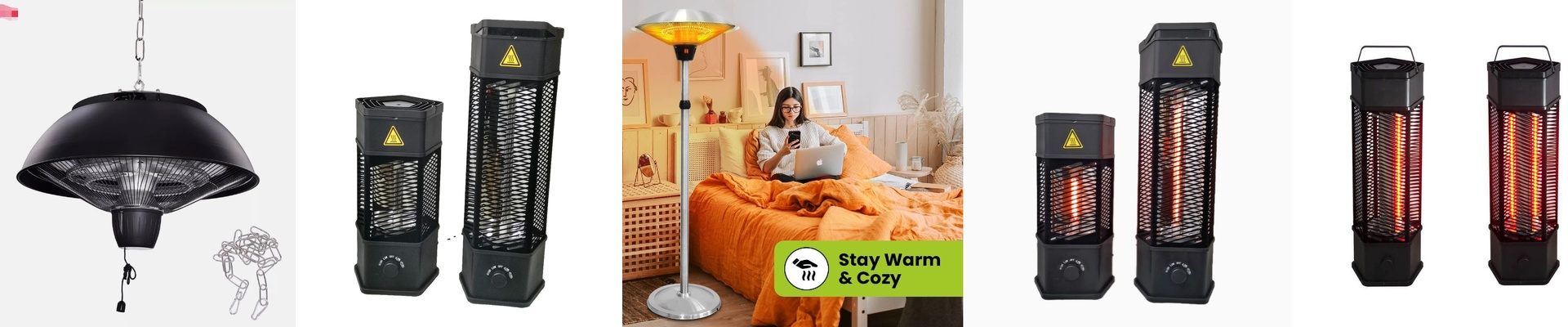


Basement air has a way of turning comfort into a compromise. It sits heavy, feels colder than the thermometer reads, and clings to walls and floors. Traditional forced-air systems often struggle to cut through the damp, leaving you with a space that feels perpetually uninviting and hard to keep dry.
What matters, technically
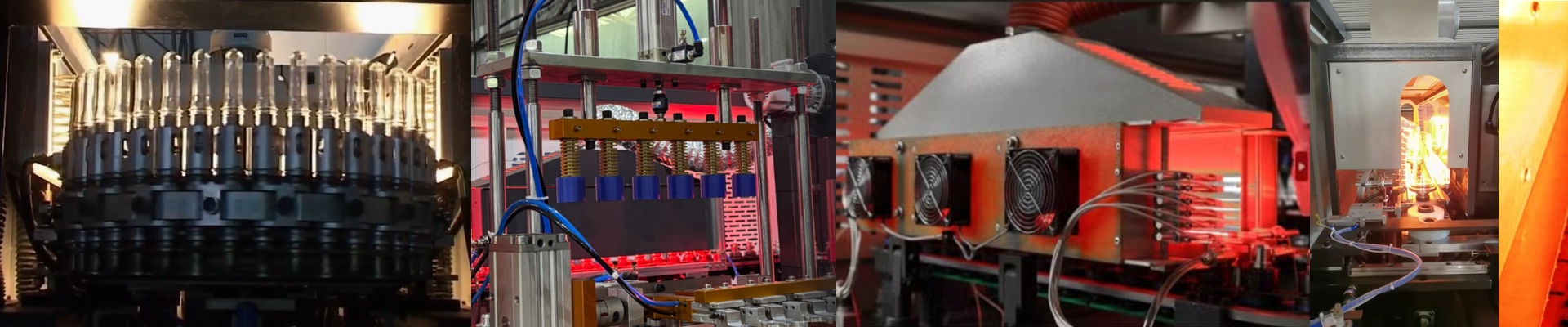
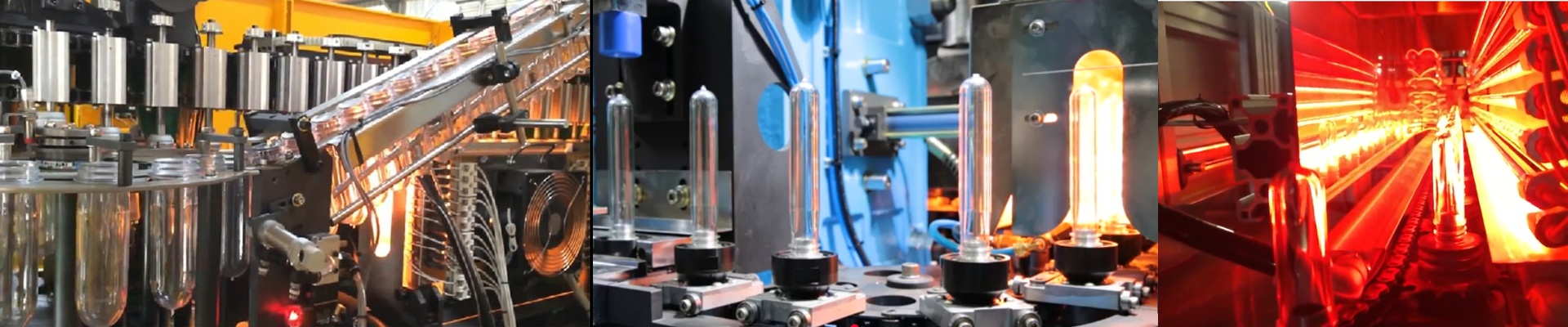
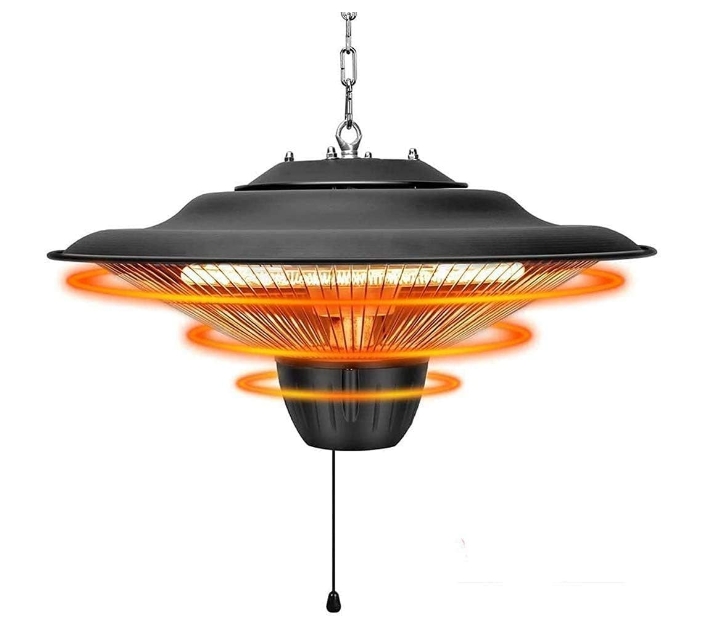
We built this low-power, wall-mounted infrared heater around a carbon fiber element and short-wave infrared technology. Air-moving heaters can strip moisture and leave the air feeling harsh; infrared warmth targets solid objects and surfaces instead. The payoff is direct, even heat you feel the moment it hits. It runs on a standard 120V outlet, so you get targeted warmth without a heavy electrical footprint. The built-in thermostat keeps control tight, and tip-over protection plus a cool-touch housing make day-to-day use straightforward.
Why it works in a basement
In a basement, moisture and cold go hand in hand. Infrared heat warms walls, floors, and furnishings, which helps stabilize the room’s relative humidity by keeping surfaces above the dew point. That means less condensation, fewer clammy spots, and a space that stays comfortable. You end up with steady, draft-free warmth that makes the area usable again—whether for storage, a workshop, or a quiet corner for relaxing. The low power draw keeps operating costs predictable, and because the heat is directional, you’re not paying to warm unused corners.
The things to get right
For best results, mount the unit on a stable, vertical surface where the infrared beam can spread across the primary activity zone. It performs best in enclosed or semi-enclosed areas; open-plan spaces with high ceilings may need additional units to keep comfort consistent. **Clearance to combustibles matters.**Follow the included spacing guidelines. And keep in mind: infrared heat is efficient and pleasant, but it doesn’t “dry” the air the way a dehumidifier does. If moisture levels are very high, pair it with proper ventilation or a dehumidifier.