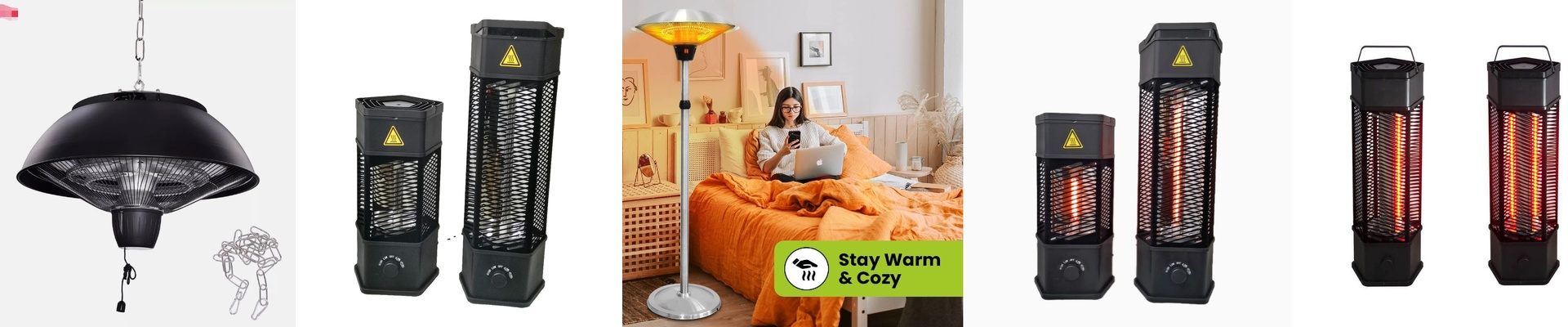
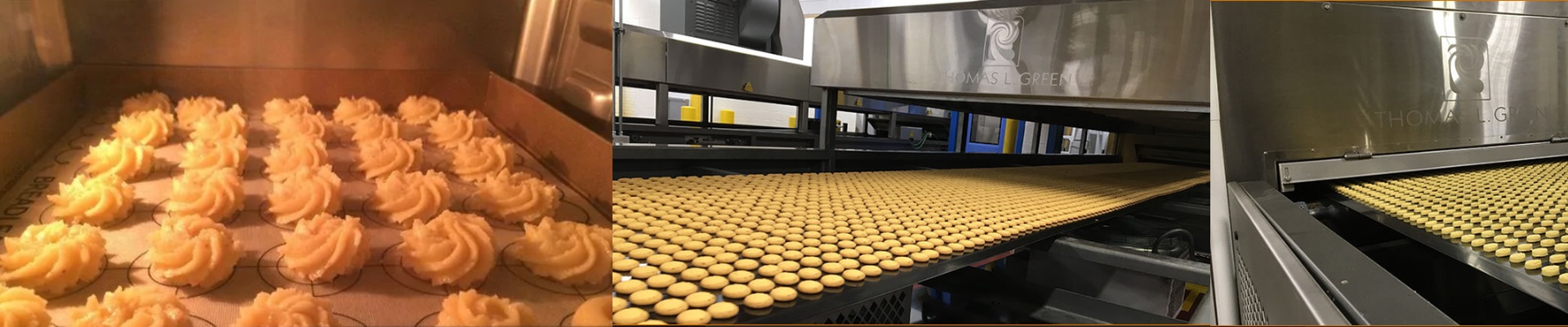
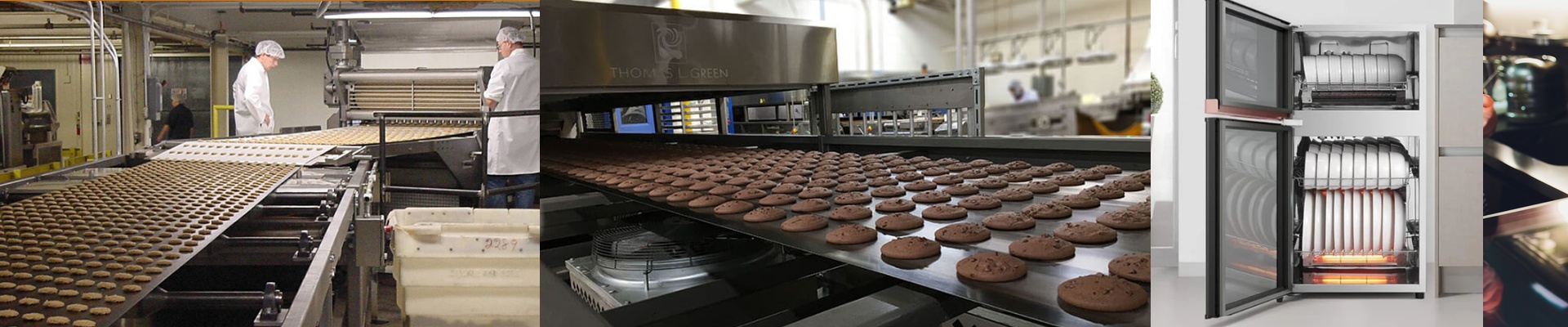
When the lunch rush hits, a fryer heater that drags doesn’t just slow the line. It kills oil temperature stability, and that shows up fast—uneven color, soggy batches, and oil that gets trashed sooner. We built a replacement IR heater for the reality of a busy cafe fryer bay, where heat has to jump on demand and hold steady through constant on/off cycling.
What matters, technically
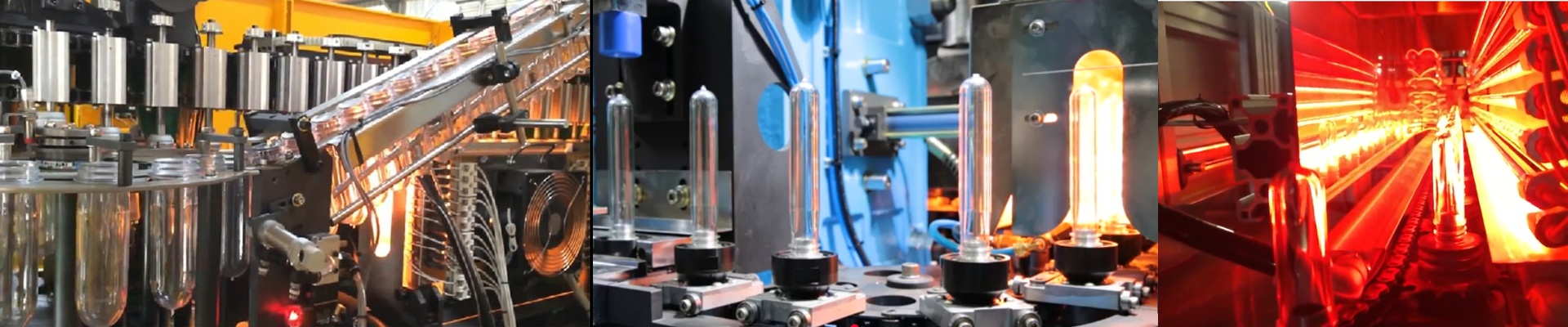
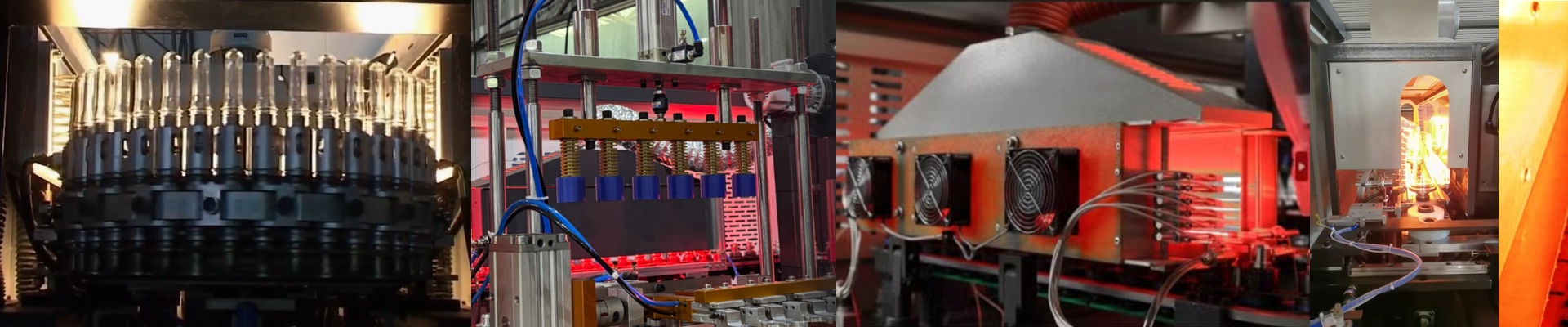
Infrared puts heat in as radiant energy, so the element comes up to target almost the instant it’s energized. No long warm-up. No lag between the thermostat calling for heat and the heat actually reaching the oil pan. This replacement IR heater uses high-emissivity quartz elements and a reflector geometry that’s tuned to put the radiation where it needs to go. You get a focused, even pattern that couples right into the fryer’s heat zone. The payoff is quick recovery after you drop in cold product, and tighter control over temperature swings when service peaks. In practice, that means more repeatable frying, consistent crust development, and less oil degradation from repeated overheating.
Why it works in a cafe fryer
A cafe fryer is a throughput engine. If the heater can’t keep pace, the line backs up and quality falls apart. This IR replacement cuts the time spent waiting for the oil to come back up, shortens the gap between batches, and helps the thermostat hold closer to setpoint. That means fewer undercooked tickets, fewer over-browned items, and less energy wasted reheating the same oil. Because the radiant output is directional and efficient, you can run a lower peak draw and still get the same recovery performance.
What to watch for
Installation is straightforward on standard fryer heater mounts, but clearances still matter. Check the physical envelope, terminal block rating, and voltage match before ordering, and make sure the reflector assembly is clean and aligned after mounting. Plan on a short burn-in to let the element stabilize and to confirm your thermostat response. Expect shorter element life if the fryer runs continuously at very high temperatures, or if the oil is allowed to smoke repeatedly. IR is fast, but physics still wins.