Service hits, and the line doesn’t care what your oven is feeling. Deck oven loaded, rotary oven turning, front calling for pizzas, roasts, and trays of bread—all on the same clock. If the heat doesn’t show up exactly when you need it, you don’t just lose minutes. You lose control over the bake, and that means you lose control over food safety. Underperforming heat can be sneaky. You see it in slow recovery after the door swings open, uneven crust color across the stone, or long stretches where the oven chases temperature. Those gaps create risk—temperature drift, inconsistent kill steps, and extended holding times that give microbes an opening. An IR emitter heater isn’t a flashy add-on. It’s a practical way to tighten temperature stability, speed recovery, and keep the baking chamber predictable, shift after shift.
What matters under the hood
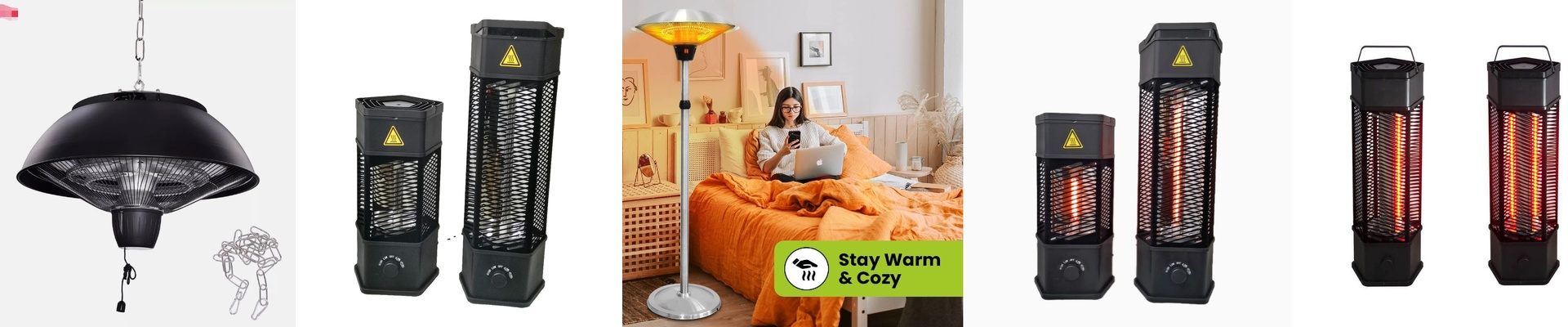
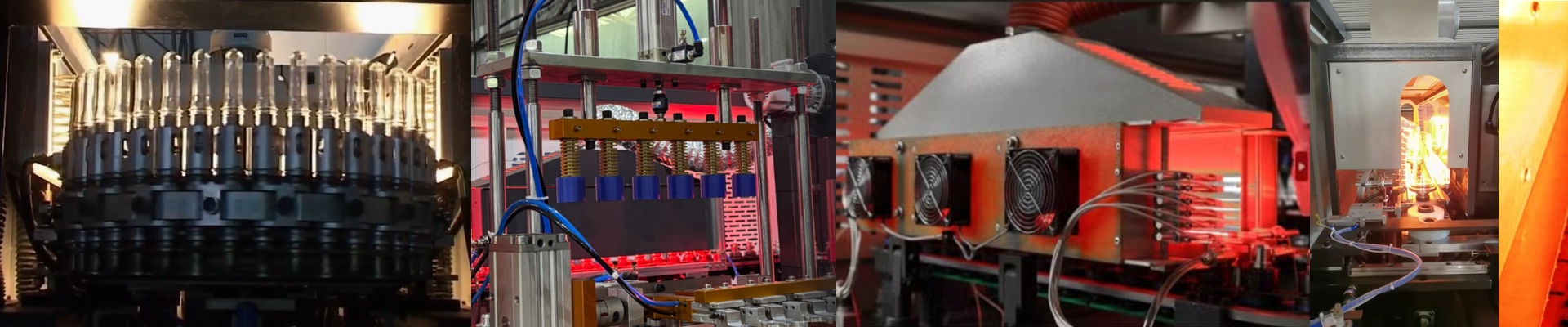
IR emitters deliver heat by radiation—energy going straight from the element into the food and oven surfaces, not through heated air. That’s the difference that counts, because air temperature can lag and swing, while radiant energy responds fast and targets the product. We build these around a high-efficiency quartz tube with filament geometry that’s tightly controlled. The point is repeatable output, not guesswork. Typical ratings run 2400–3600 W per emitter, with 120 V or 240 V options to match your kitchen’s power layout. Element lengths are chosen to fit standard oven cavities and mounting brackets, and the terminals or connectors are matched to common OEM harnesses so you can replace without rewiring the whole machine. Wavelength is the quiet detail that affects both performance and safety. Short-wave IR hits full output within seconds, which shortens recovery after door openings and keeps the stone or hearth from dropping off. Medium-wave profiles settle in a bit longer at steady state and often give a more even spread across the baking surface—handy in deck ovens where you want consistent crust color front to back. You’ll see efficiencies quoted around 90% for IR emitters. In real life, that means less wasted heat in the cabinet and more energy going where it matters—into the product and the hearth. Less wasted heat also gives the oven’s control system a cleaner signal, which improves bake temperature stability. Food safety isn’t a tagline here. It’s a measurable result. When the oven recovers faster, time in the danger zone shrinks. When hot and cold spots are reduced, every item gets the same thermal treatment. That consistency matters for validation, HACCP records, and for the simple fact that every plate leaving the pass should be safe.
Why it plays in a busy kitchen
In a service rush, ovens get opened and closed constantly. Every door cycle steals heat. If recovery is slow, the next bake starts in the hole—pale crust, uneven rise, or undercooked centers. IR emitters cut that recovery time. In many setups, you can shave roughly 30–40% off recovery compared with relying on convection or slower radiant systems. That shows up in ticket times, and it shows up in safer holding temperatures. For pizza deck ovens, the stone or hearth is the heartbeat. IR radiation hits the hearth directly, keeping surface temperature steady. You get more consistent leoparding on the crust and fewer dead zones where dough sticks and steams instead of baking. Fewer throwaways, steadier output when it’s busy. In rotary ovens, rotation evens out airflow, but the heating element still sets the baseline heat. IR emitters bring the chamber back to setpoint fast after loading, which matters when you run tight cycles—bread, pastries, loaded sheet pans. Fast recovery keeps internal load temperature from drifting, so you hit target internal temps more reliably. Convection ovens benefit too, especially with mixed loads. The fan moves air, but the element still does the heavy lifting. IR emitters cut the time the oven spends chasing temperature, so air temp stays closer to setpoint. That reduces the temptation to overcook outer layers just to make sure centers are safe. Energy use is real, and it adds up. Because IR targets the product and the hearth, you often see lower energy draw per bake cycle compared with systems that heat a large air mass. Less heat loss to the kitchen means lower exhaust demands and a more comfortable work area. That isn’t just cost—it’s a safer, calmer station.
The practical details you need
IR emitters are straightforward to specify, but they come with real-world constraints. Mounting distance matters. Too far from the product or hearth, and you lose intensity and the benefit. Too close, and you risk scorching. Most ovens have a designed focal distance—stay within it. We provide spacing and clearance specs. Use them. Compatibility isn’t universal. Many ovens accept standard element profiles and wiring, but some brands use proprietary brackets, connectors, or control logic. Check terminal type, voltage, and the physical envelope before ordering. If you’re replacing a halogen or quartz element, mounting points can differ even if the wattage matches. Thermal shock is real. IR emitters heat fast, and that speed can shorten element life if the oven cycles hard or if the element gets hit repeatedly with cooling air or water splash. Keep the oven clean and dry around the element, and avoid unnecessary on/off cycling during service. Expect service life in the thousands of hours under normal conditions—less under abuse. And IR emitters aren’t a substitute for proper temperature validation. You still need probes, data logging, and a validated process for pathogen control. What an IR emitter does is make your oven more predictable, so your validation holds up in the chaos of service. If your oven struggles to recover, if crust quality drifts from tray to tray, or if your team is constantly chasing temperature to keep food safe, the fix can be as simple as choosing the right emitter for the cavity and the workload. Spec the voltage, match the length, confirm the connector, and put the heat back where it belongs—on the food.