Stop Fighting Heat Variance in Your SIPA Rotary Systems
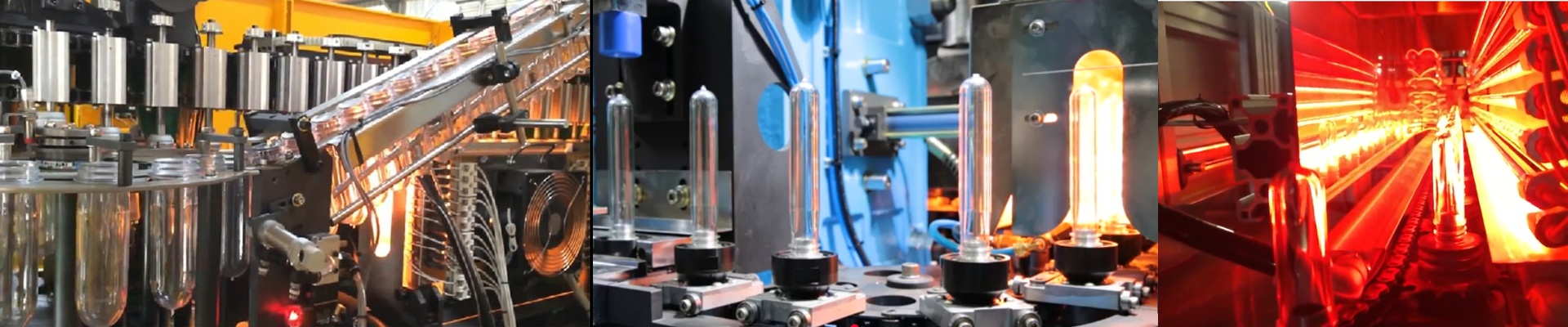
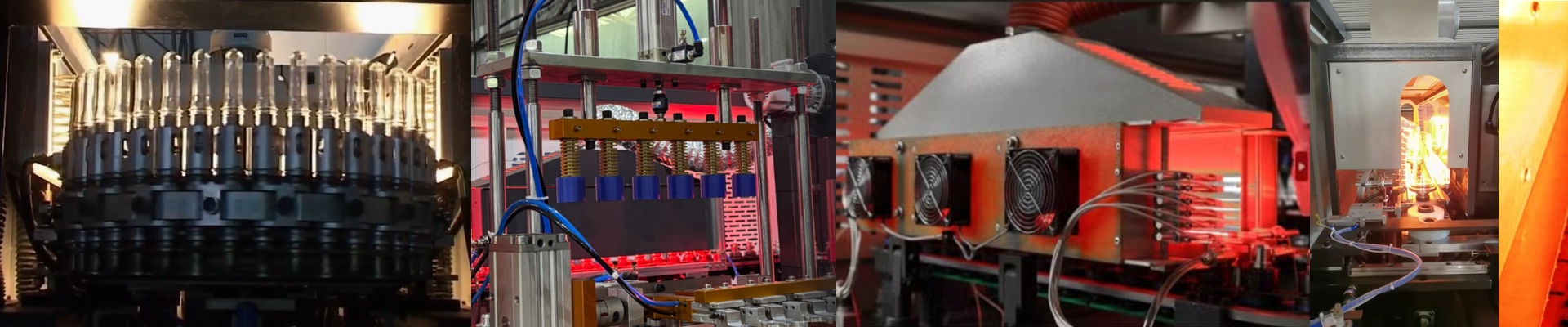
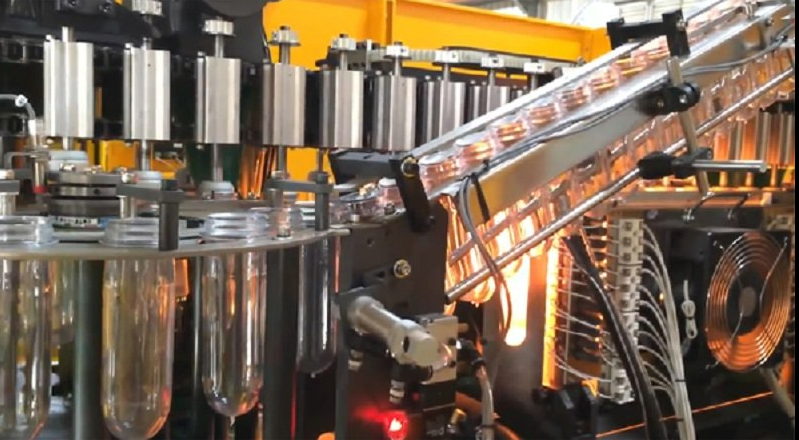
If you’re running SIPA rotary machines, you know the drill. Thermal uniformity isn’t just a “nice to have”—it’s everything. When your IR lamps aren’t an exact match to the original power specs, things go south quickly. You end up with hot spots here and cold zones there. Then you’re looking at uneven wall thickness in your PET preforms and bottles that just plain fail. It’s a headache nobody needs. That’s why we make our IR lamps as direct drop-in replacements. No guessing, no tweaking. Just stability.
Why “Close Enough” Isn’t Good Enough
Here’s the thing about power matching. If you start mixing lamps with different wattages or voltages, you’re basically fighting your machine’s PID control loop. We keep our tolerances incredibly tight. Why? Because if you pop in an under-powered lamp, the machine tries to make up for it. It overcompensates, pushing the other lamps harder, and suddenly you’re burning through your inventory way faster than you should.
The Nitty-Gritty: Quartz and Heat
We use high-purity quartz glass because PET blowing is brutal. It requires intense heat density. Our filaments are calibrated for shortwave infrared emission. In plain English: the heat hits the PET material fast and hard without wasting energy heating up the oven frame. It means your ramp-up time is quick. Really quick. And we’re obsessive about the connectors. You won’t find any loose fits here. A sloppy connection at the terminal creates resistance, and that’s how you get sockets that overheat and melt your wiring. Not a great look.
Keeping It Running in the Real World
These lamps live in a tough neighborhood. Constant vibration, endless thermal cycling—rotary blow molders are a beating. We built these to take it. But a quick heads-up: if you’re pushing these lamps to their absolute limit, your cooling fans are going to feel it. If your ventilation is clogged or just can’t keep up, the ambient temperature will spike. That’ll eat into your lamp’s lifespan. Do yourself a favor—check your airflow before you swap in those high-wattage tubes.