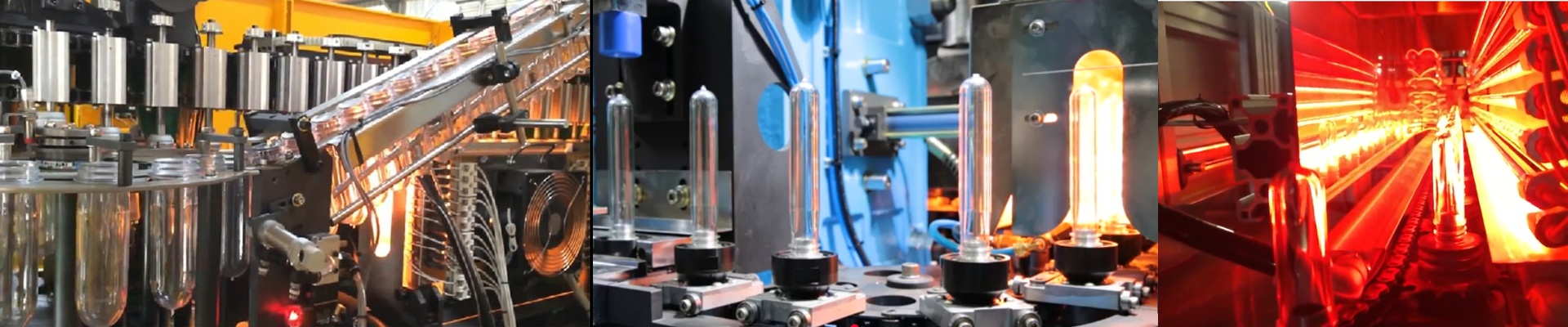
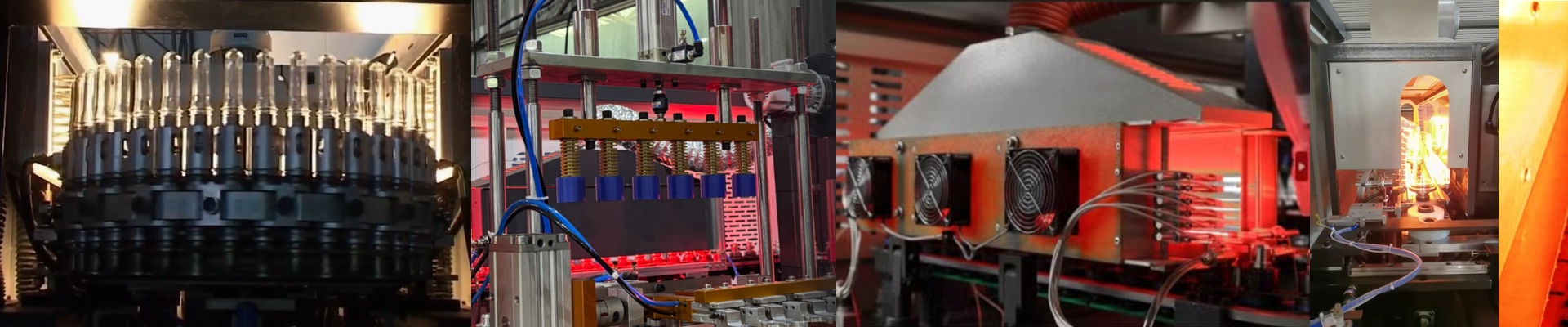
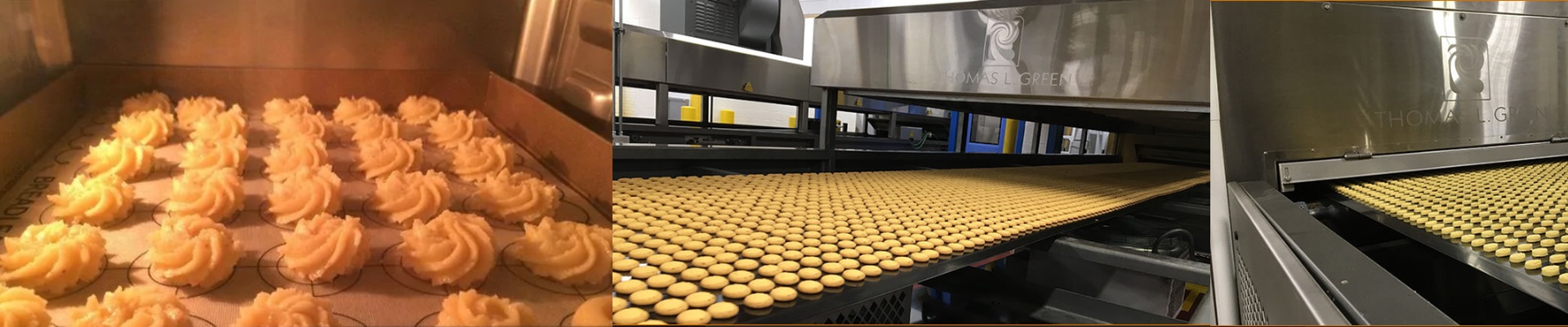
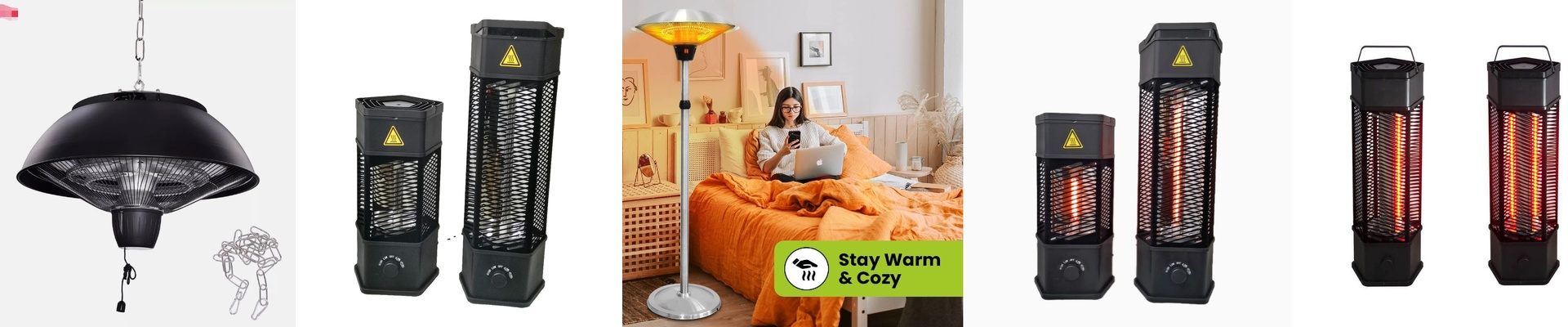
The front counter is where heat earns its keep. A slice of pizza, a tray of pastries, or pre-baked items can look and taste right when they leave the kitchen, but if holding heat on the service line dips for even a minute, quality falls apart. You end up with soggy crust, rubbery cheese, and a line that backs up while staff scramble under lamps that were never designed for reheating. A halogen bulb for the serving counter isn’t just a heat lamp. It’s a purpose-built infrared reheating element meant to bring food back to serving temperature fast, hold it without scorching, and do it with predictable energy draw. Match the bulb to the counter layout and the rhythm of the menu, and you stop fighting temperature swings and start running a tighter service window.
What matters under the hood
Halogen infrared reheating works by emitting short-wave radiant energy that hits the surface and warms food from the outside in. That’s key on a counter because you’re not trying to bake—you’re trying to recover temperature without drying things out or overcooking. We build these halogen reheating bulbs around three practical engineering targets: fast thermal response, stable output, and controlled energy use.
- **Fast heat-up, fast recovery:**The quartz-halogen filament comes up to temperature quickly, so the counter gets back to serving heat the moment you need it—during a rush, on a refill, or when a fresh tray comes out of the back.
- **Targeted radiant output:**The wavelength profile is tuned for rapid surface heating with minimal air heating, so you reheat food, not the ceiling and the air around it.
- **Energy draw matched to workflow:**Typical countertop reheating systems run in the 200–400 W range per bulb, depending on the model and coverage. That’s enough to recover temperature fast, but low enough to keep holding through long service windows financially sensible.
- **Heat where you need it:**Reflectors and housing geometry aim infrared energy down into the service well, not outward. More energy lands on the food, less is wasted heating the sneeze guard, counter edges, or staff.
- **Control compatibility:**Many counter setups run on simple on/off switches, but if you want precision, these bulbs pair cleanly with thermostat or solid-state controls to hold a consistent band. In practice, that translates to this: when a tray of slices drops from 55°C to 45°C during a lull, the counter recovers within minutes instead of hanging in the “warm but not right” zone. That’s the difference between a slice that still has crispness at the edges and one that starts to steam into damp cardboard.
Why this makes sense on the line
A serving counter is a small, high-pressure heating station. The menu moves fast, space is tight, and the temperature window for quality is narrow. You need speed because service is measured in minutes. A halogen reheating bulb delivers rapid radiant heat, so staff can plate, refill, and serve without waiting for a slow element to catch up. That cuts idle time and keeps tickets moving. You need consistency because the customer expects the same bite on the first slice and the tenth. Halogen infrared gives steady radiant output, and when you pair it with a well-designed counter well and the right control strategy, you hold food in a tight temperature band. The result is repeatable texture and doneness—no surprises. You need energy discipline because the counter is always on. Infrared heats food directly, so less energy goes into heating air that then drifts into the dining room. Compared with some conventional approaches that lean on convective heat or high-wattage exposed elements, halogen reheating can reduce energy used for holding and recovery, especially when the duty cycle is high. And you need reliability because a bulb failure at 7:00 p.m. isn’t a maintenance job—it’s a service emergency. These bulbs are built for commercial duty, with materials chosen to handle repeated heating/cooling cycles and the vibration of a busy front counter. Put it all together and the counter becomes a predictable work cell: fast recovery, stable holding temperature, lower energy draw, and fewer disruptions.
What to watch for
Halogen reheating bulbs are straightforward, but real counters have real constraints. **Match the fixture to the food.**The bulb has to match the housing and the counter well depth. Too shallow, and you risk hot spots. Too deep, and recovery slows. If your counter holds delicate items like filled pastries, you need a lower-intensity profile and a control that prevents temperature overshoot. **Keep the optics clean.**Grease, dust, and food spatter on the reflector and bulb surface cut output and scatter heat. A quick weekly wipe-down preserves output and keeps the heat pattern even. **Expect heat at the source.**The bulb and housing get hot. Maintain clearances to nearby surfaces, and make sure the counter material and any adjacent equipment can handle the radiant load. **Plan for replacements.**Even durable bulbs are consumable. Keep a spare on hand so a failure doesn’t become a service outage. A simple replacement routine—swap at a set time or after a set number of hours—keeps output stable and avoids last-minute scrambles. If your front counter lives or dies by holding temperature, a reheating halogen bulb is a practical upgrade: faster recovery, steadier holding, and energy use that stays in line with the workload. The point isn’t drama. It’s control.