

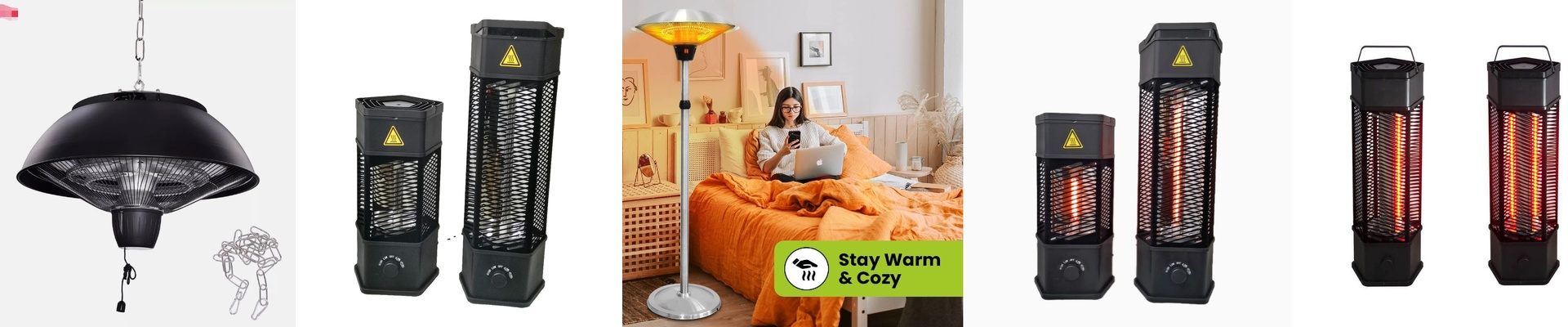


Why we’re ditching old lamp heaters for IP65 Infrared
Let’s be honest: those old halogen lamp heaters in bathrooms are kind of a nightmare. They just aren’t built for the kind of steam and spray you get in a real shower. That’s why we’ve been moving toward IP65-rated infrared units. They basically put a shield around the electrical guts, keeping the water and steam exactly where they belong—away from the wires. What’s the deal with “IP65”? In plain English, it means the unit is totally dust-tight and can handle water jets hitting it from any angle. Think about it. Steam finds every little crack. In a cheap heater, that moisture seeps in, fries a filament, or shorts the whole thing out. We fix that by using high-temp silicone gaskets and reinforced casings. It seals the terminals tight. The result? You don’t have to worry about your breaker tripping the second the shower gets steamy. Instant heat, no waiting Most heaters try to warm up the air. But in a bathroom with high ceilings or a drafty window, that warm air just floats away. You’re still shivering. Infrared is different. It doesn’t care about the air; it warms you. We use shortwave emitters that beam heat directly onto your skin and the surfaces around you. It’s instant. You flip the switch, and you feel it immediately. No more standing around in a cold room waiting for the air to catch up. The technical side (and a few warnings) If you’re installing these, keep in mind they need their own dedicated circuit. We’re pushing a lot of wattage to get that instant heat, so make sure your wiring gauge can handle the load. You don’t want your wires overheating behind the wall. There is one trade-off. Because the IP65 housing is so tightly sealed, it traps heat inside the chassis. We’ve spec’d the internals to handle those higher temps, but you still need to give the unit some breathing room. If you cram it into a tight soffit with zero clearance, the overheat protection will kick in and shut the whole thing down. For the pros out there: these are pretty easy drop-in replacements for old lamps. Just make sure you get a really tight seal where the wires enter the wall. If you leave a gap there, you lose that IP rating, and you’re right back where you started.